
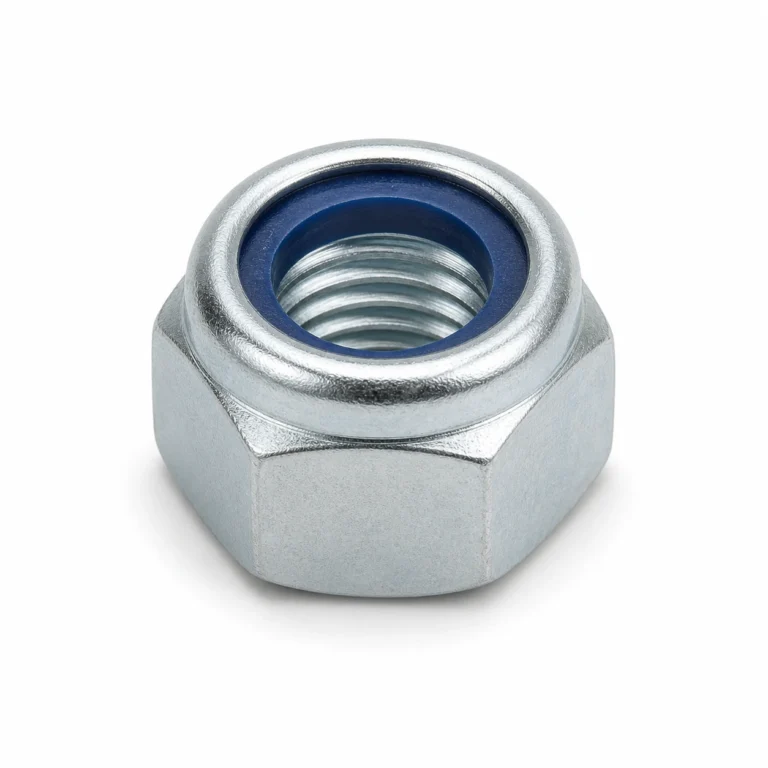
Plastic fasteners see surging demand across manufacturing sectors
As lightweighting and corrosion resistance become critical, plastic fasteners are moving from niche to mainstream. A recent feature in Fastener + Fixing Magazine highlights…
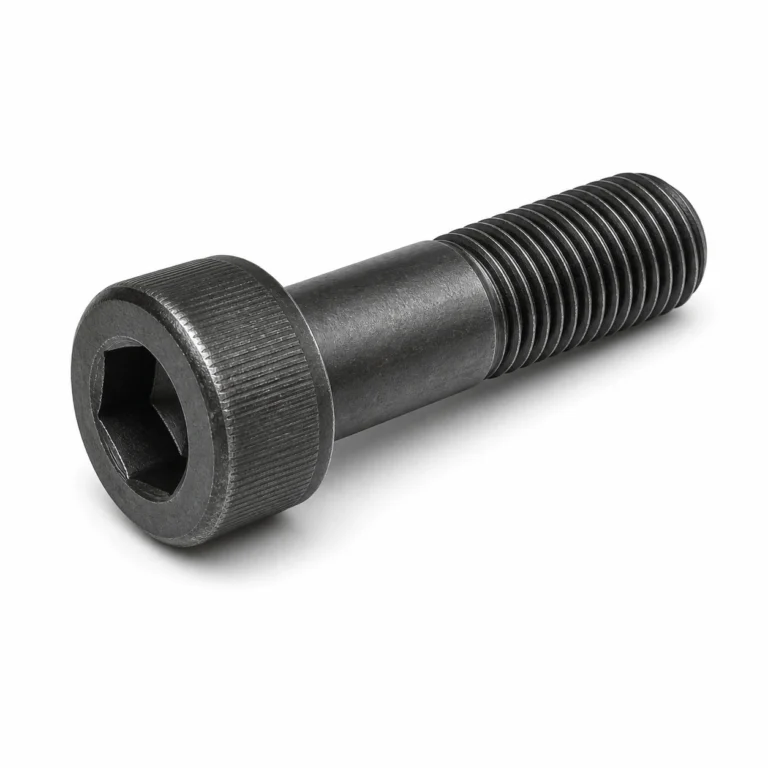
Every article we have published on Lightweight Materials — standards, materials, coatings and installation practice, newest first.
Events in lightweight materials rarely arrive in a tidy sequence, and reading several reports together is what turns a passing mention into a clear picture of what changed.
Around lightweight materials, coverage clusters on Lightweight Materials, Aerospace Fasteners, Automotive Engineering, Automotive Fasteners and Battery Enclosures, and watching how those threads develop relative to each other often reveals the bigger story.
With outlets such as Fastener + Fixing Magazine and auto-revista.com citing details like 80%, the topic offers something concrete to track — once each figure is checked against the original report.
As lightweighting and corrosion resistance become critical, plastic fasteners are moving from niche to mainstream. A recent feature in Fastener + Fixing Magazine highlights…
The pivot to electric and autonomous mobility is forcing a fundamental reassessment of fastener specifications, materials and standards. Lightweight body structures, battery enclosures and…
These names and themes keep appearing alongside each other, which usually means they are part of the same wider story. Following them as a group — rather than one headline at a time — gives an earlier read on where lightweight materials coverage is heading.
Recurring prominence usually means Lightweight Materials sits at the centre of an active development — a decision, a deal or a dispute. When a name repeats across reports, it is worth reading the underlying stories to see what has actually changed.
Recent coverage gathered here includes reporting from Fastener + Fixing Magazine and auto-revista.com. No single outlet should be treated as the last word, so for important developments it helps to compare how several sources describe the same event.
Recent reporting has cited figures such as 80%. Numbers like these give a sense of scale and direction, but the exact amount and the context around it are best confirmed in the original article.