
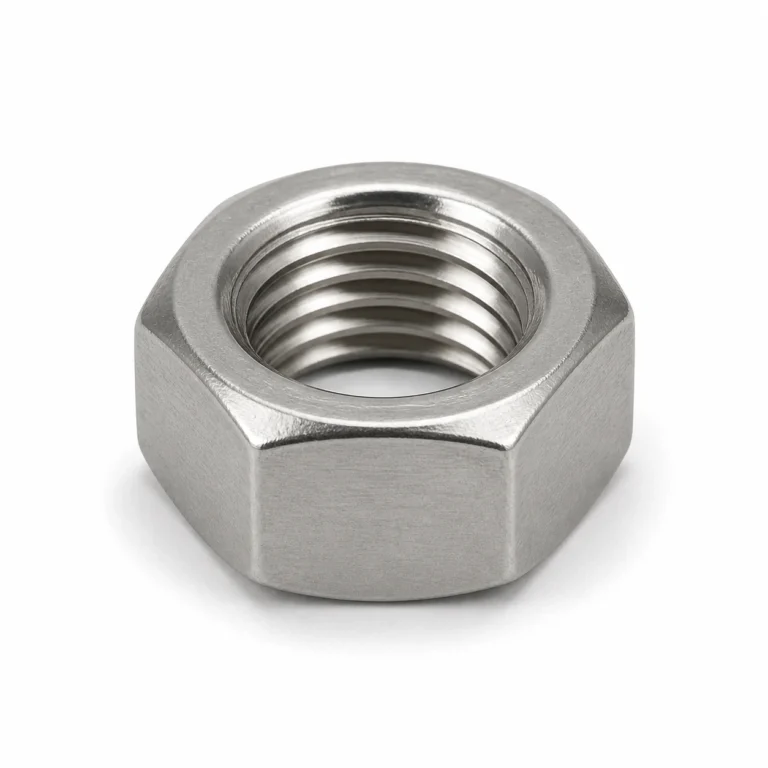
The Critical Role of Preload in Preventing Bolt Loosening
A demonstration by engineer Nelson Reithmaier shows how a bolt lacking proper torque quickly unravels under vibration, highlighting the importance of preload in bolted…
Every article we have published on Torque Standards — standards, materials, coatings and installation practice, newest first.
Coverage of torque standards moves quickly, and the details that matter — who is involved, how large the figures are and when changes take effect — are rarely clear from a headline alone.
The recurring vocabulary of torque standards reporting — Bolt Preload, Clamping Force, ISO 898-1, Nelson Reithmaier and Torque Standards — is a useful early indicator of which angle is gaining momentum.
The picture in torque standards is still forming; treat current coverage as a prompt to follow the story at the source rather than as the final word.
A topic moves into the news when something concrete changes — a major announcement, a funding or market figure, a policy decision or a measurable shift. The reports gathered here help show which of those forces is currently driving attention to torque standards.
A shortage of firm numbers usually means a story is still developing or is being reported qualitatively. In that case, the useful signals are who is reporting, which places feature and how widely the theme is covered; concrete figures tend to follow as events firm up.
These names and themes keep appearing alongside each other, which usually means they are part of the same wider story. Following them as a group — rather than one headline at a time — gives an earlier read on where torque standards coverage is heading.
Significant stories usually carry verifiable detail — a named figure, a date, a percentage or a clearly identified organisation — and tend to appear across more than one outlet. Reports that stay at the level of general commentary are better treated as background.