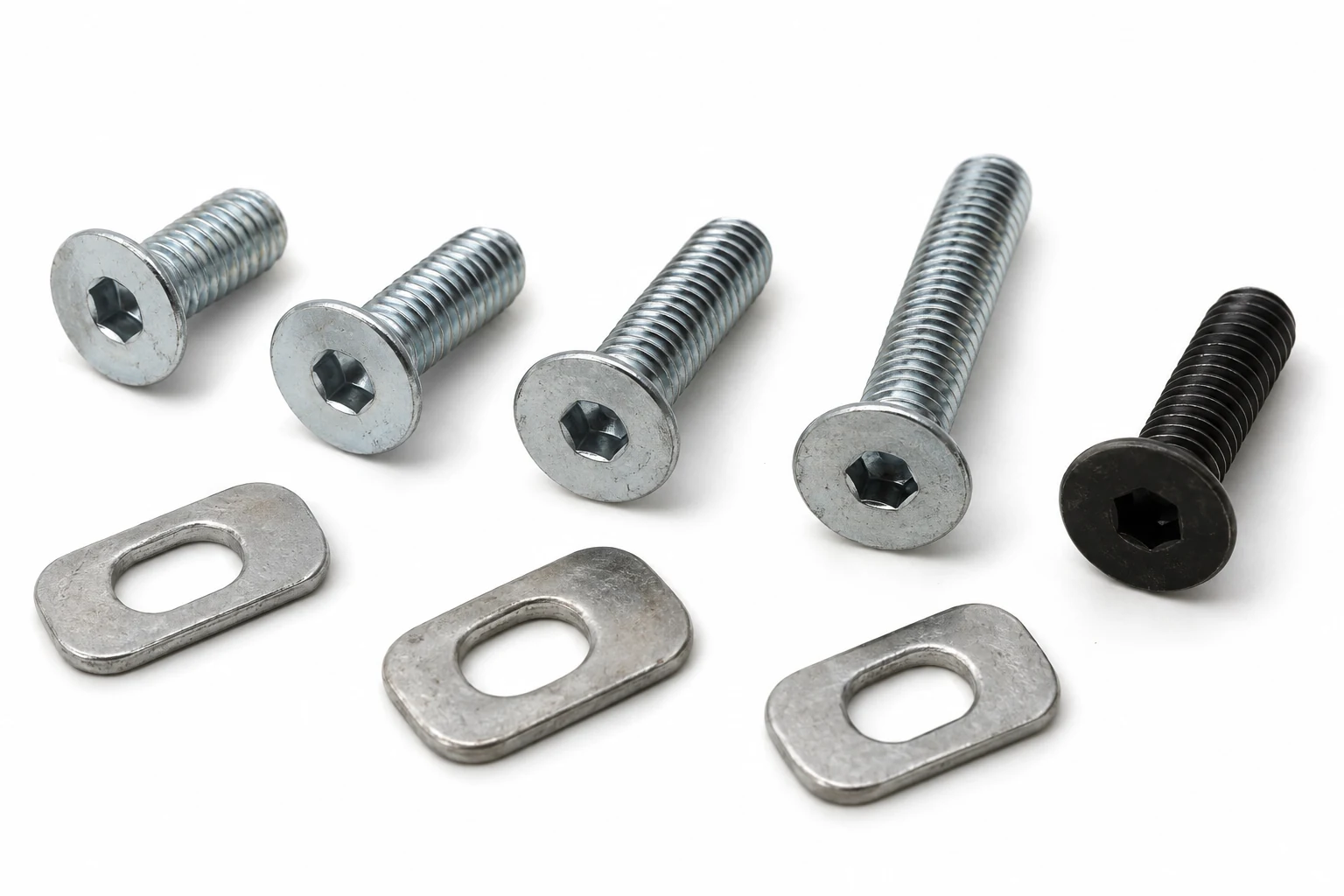
Application guide for Bicycle Cleat Fixing Bolts to Trade series (bicycle cleat bolts). The core duty of the type is structural and machine joints that must be tightened to a controlled preload. The typical industries, the how-to-specify checklist, assembly practice and the exclusion cases are set out below. Stocked across roughly M5 to M5, they cover light-duty and instrument-scale work.
Typical Applications for Bicycle Cleat Fixing Bolts
The most common settings where these are specified:
- Cycling footwear: M5 cleat screws attach road and two-bolt cleats to the shoe plate.
- Bike fitting: Length follows the cleat, washer and shoe-stack thickness.
- Service shops: 4 mm hex sets support controlled cleat replacement.
- Performance cycling: Provisional torque is followed from the cleat and shoe instruction.
Related Bicycle Bolts products
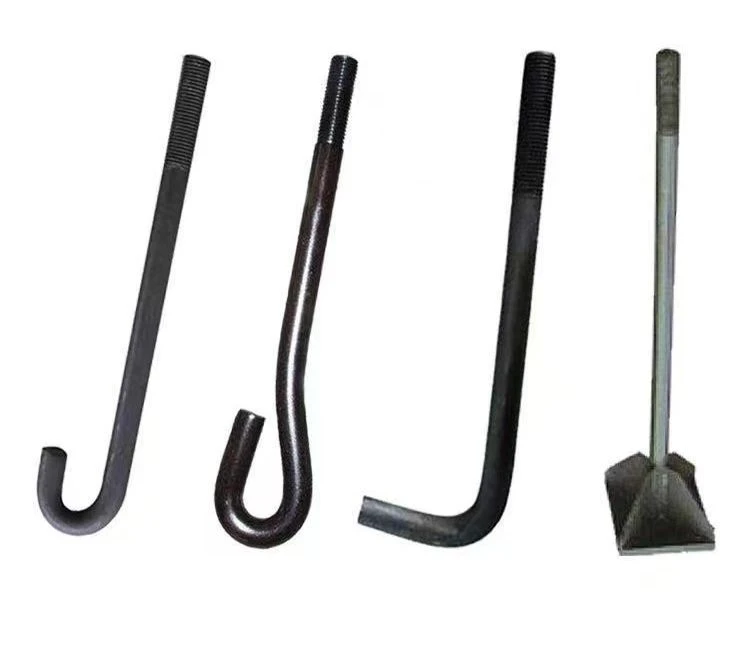
Galvanized Carbon Steel L Type Foundation Bolt with Nutwheel Bolts Self Drilling Injection Bolt Self Drilling Thread Rod Carriage Bolts
Hexagon Head · DIN, ANSI, GB, JIS, BSW
US$0.12MOQ 100 boxes

Ankascrew Hex Head Hex Flange Head Concrete Bolt Masonry Screw Metal Fixing Anchor Bolt Masonry Bolt
Hexagon Head with Flange · ANSI, BSW, DIN, GB, JIS
US$0.096MOQ 1,000 pieces

Self Drilling Anchor System Full Threaded T103 Hollow Anchor Bar / Anchor Bolt T103-78 / Anchor Rod
AISI, ASME, BS, ANSI, JIS, GB, GOST, ASTM, DIN · Carbon Steel
US$2.04 – 2.52MOQ 500 meters
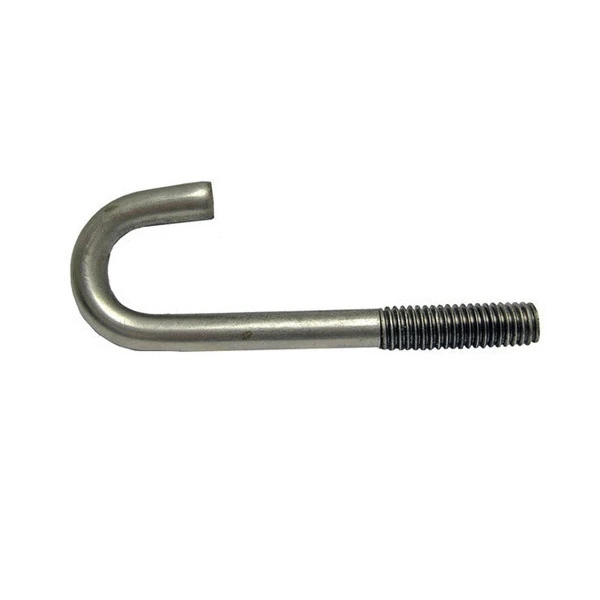
42CrMoA Anchor Bolt, 34CrNiMo6 10.9 Anchor Bolt
Round Head · ANSI, DIN, GOST, JIS
US$0.60 – 120.00MOQ 1 piece
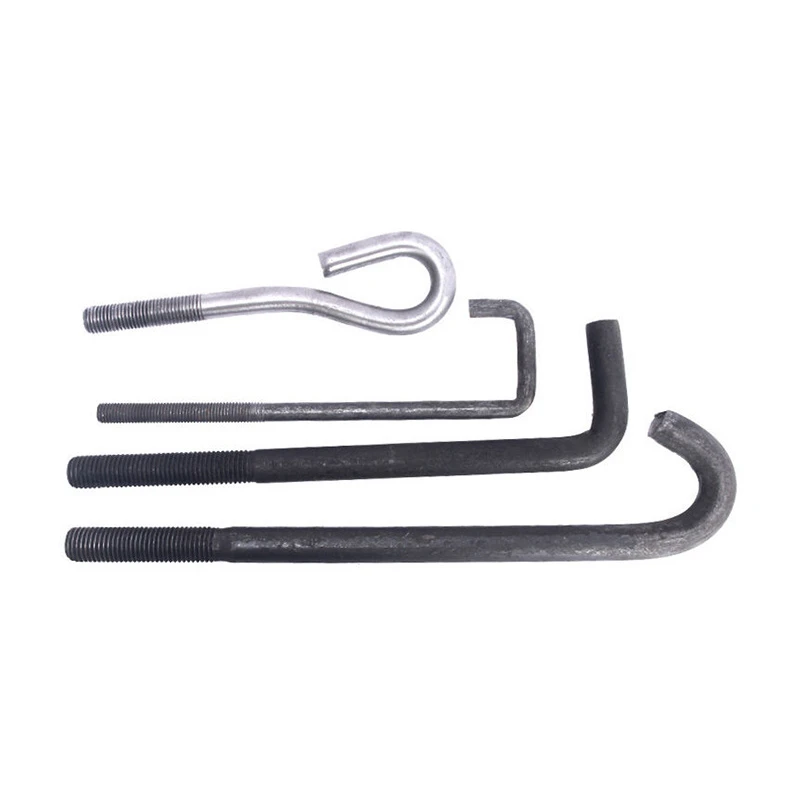
Reinforced Rigid Ground Fixing Foundation Anchor Bolt
Square/Round/Hex Head · ANSI, BSW, DIN, GB
US$0.12 – 12.00MOQ 1,000 pieces
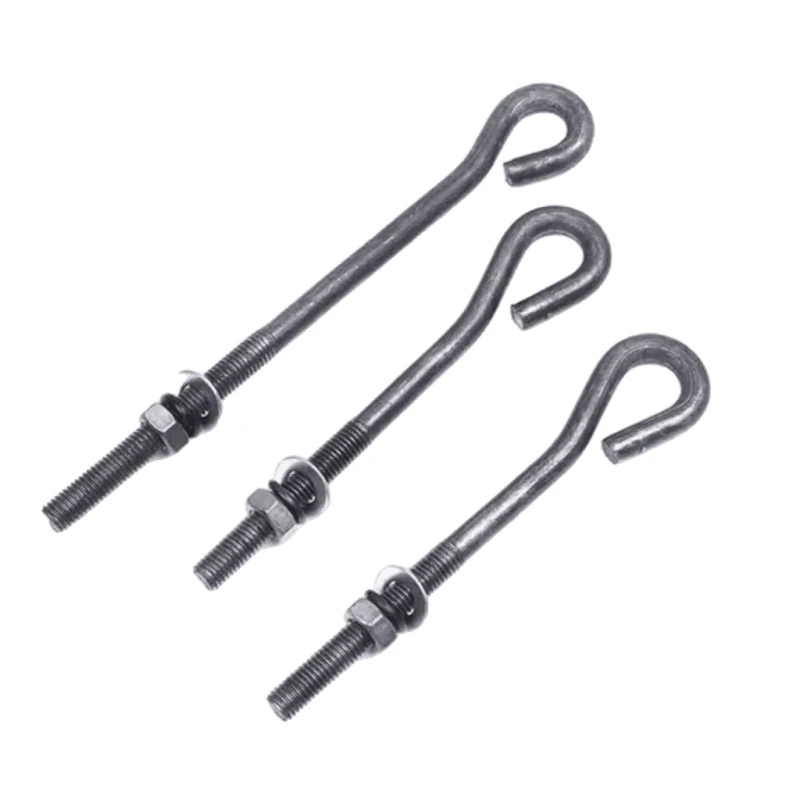
Industrial-Grade Stainless Steel Hexagon Anchor Bolts for Strength
Hexagon Head · DIN, GB, ANSI, BSW
US$0.012MOQ 100 pieces
How to Specify Bicycle Cleat Fixing Bolts for Your Application
- Size: Match the nominal size to the mating thread or hole. This product spans M5–M5; check the full table below for the exact dimensions of each size.
- Strength class: Choose the property class (e.g. 8.8, 10.9, 12.9 or A2/A4 stainless) for the load and environment, and tighten to the matching torque so the joint relies on preload, not friction.
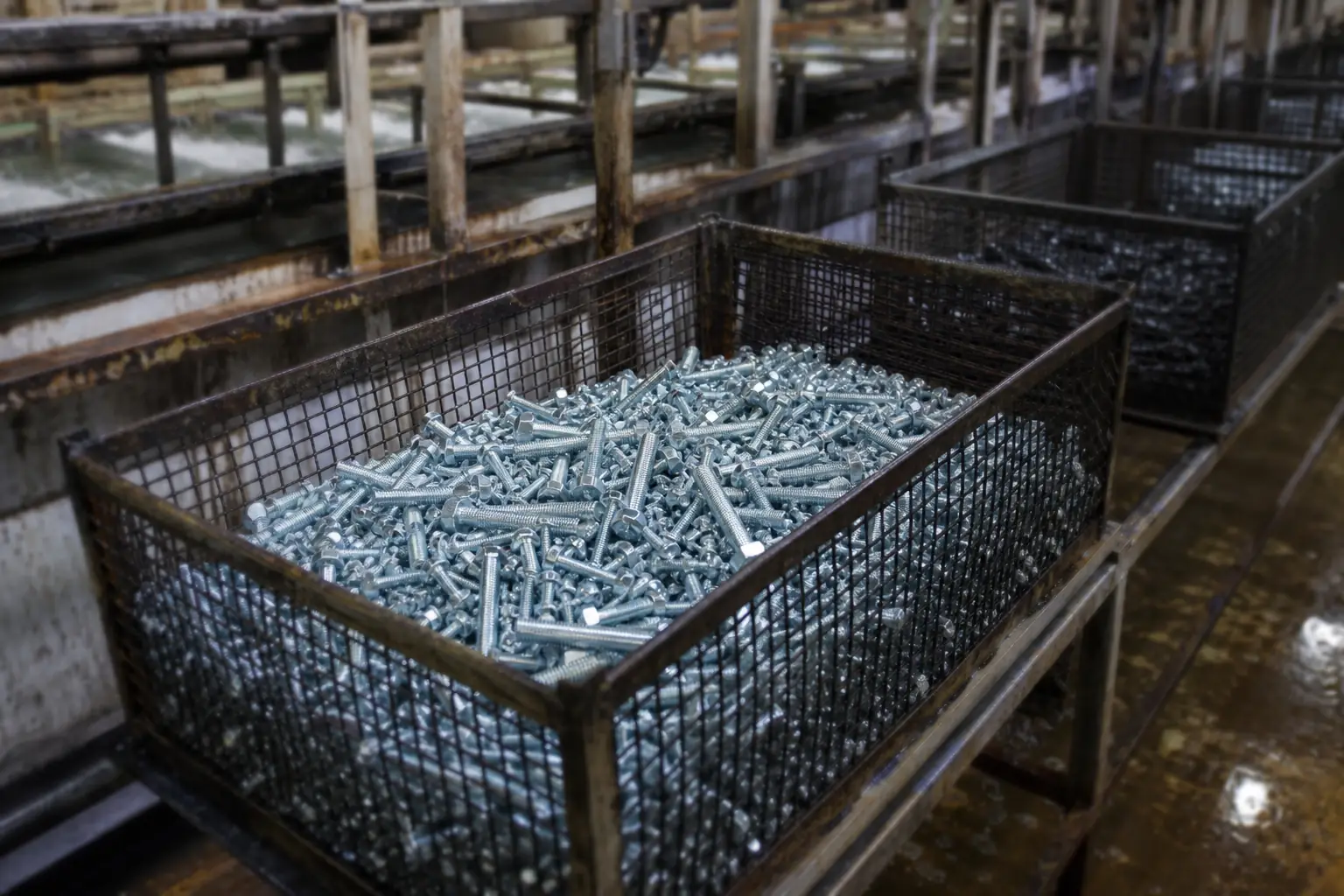
- Environment: For damp, coastal or chemical exposure prefer A4/316 stainless or a suitable coating; indoors, plated steel or A2 is usually sufficient.
- Standard: This product is supplied to Trade series (bicycle cleat bolts). Quoting the standard on your order guarantees interchangeable dimensions between suppliers.
Installation & Assembly Practice
- Tighten to the torque for the size and property class with a calibrated wrench — the joint is held by preload, not by the thread friction alone.
- Ensure at least one full thread projects beyond the nut after tightening, and never re-use a bolt that has been tightened into yield.
- Under slotted or oversized holes, fit a hardened washer so the preload does not relax into the hole edge.
Common Selection Mistakes with Bicycle Cleat Fixing Bolts
- Specifying class 12.9 "to be safe" in a corrosive environment — high classes are more sensitive to hydrogen embrittlement and stress corrosion; 8.8 hot-dip galvanized often outlasts them outdoors.
- Choosing a length that puts the shear plane through the threaded portion when a plain shank (partially threaded bolt) was available.
- Mixing stainless bolts with plated-steel nuts: the joint loses its corrosion logic and can gall or seize.
Where Bicycle Cleat Fixing Bolts Are Not the Right Choice
Not for permanent joints that will never be opened (a rivet or weld is cheaper), and not where the head must sit flush — use a countersunk screw instead.
Custom manufacturing · Made to drawing
Need a bicycle cleat fixing bolts outside the standard range?
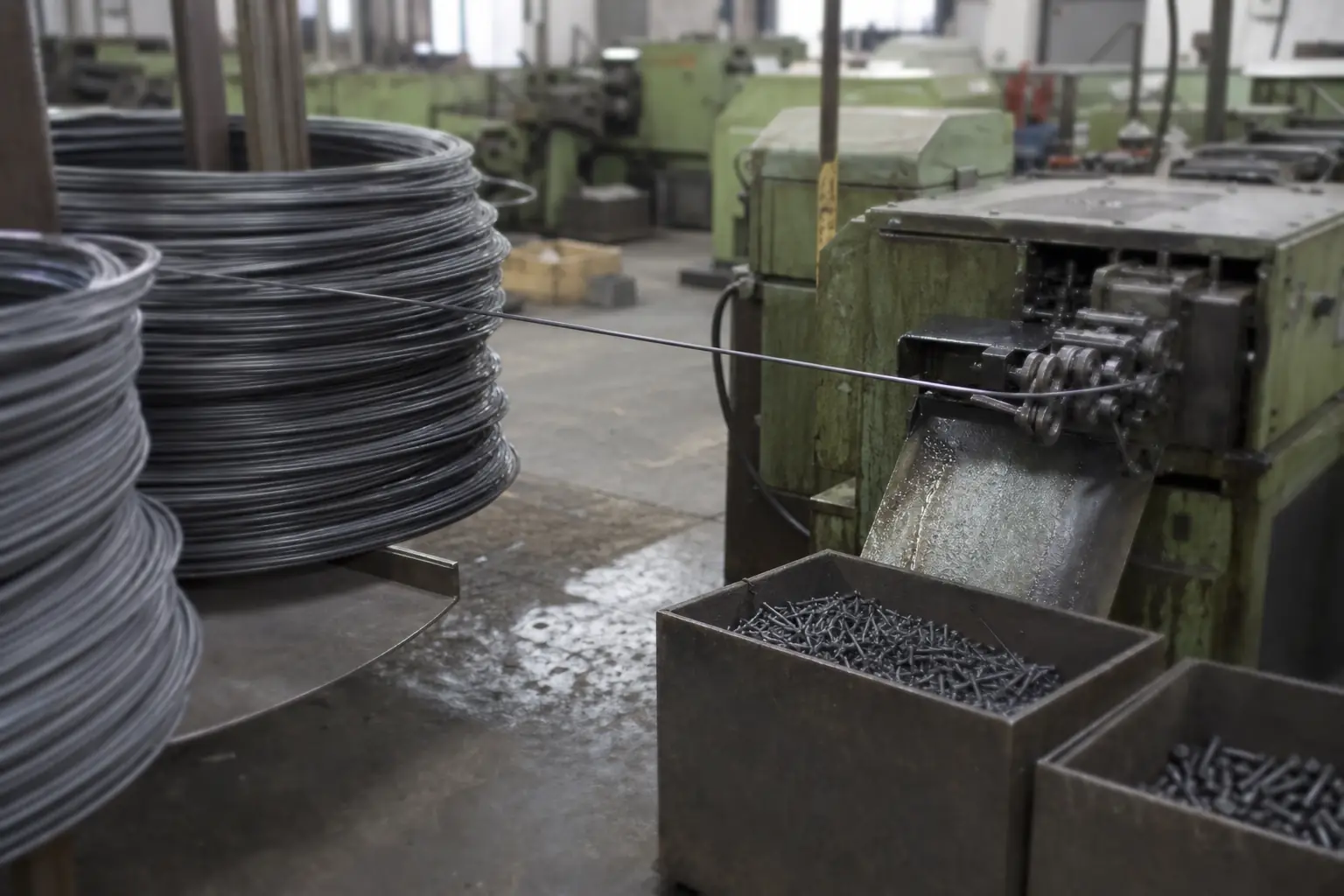
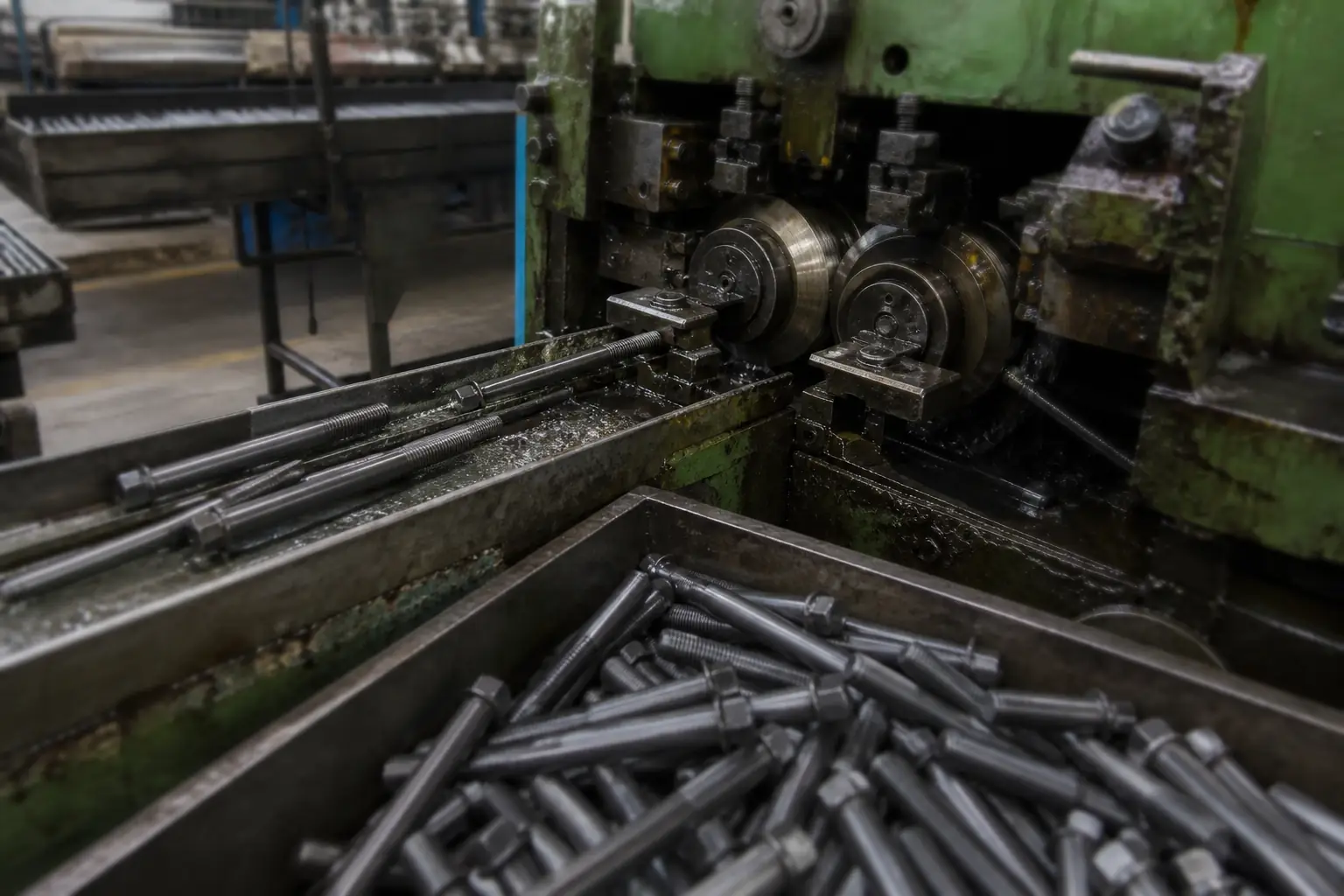
Material and finish are usually what drives a special — a grade the standard part is not stocked in, or a coating chosen against a salt-spray figure instead of a default. Made by cold heading or hot forging.
Minimum order from 2,000 pieces; samples within 7 days of drawing approval.