Wire Ropes are used primarily for lifting, tensioning and securing loads within a rated working load limit. This page lists the industries and assemblies where they are specified, the selection criteria that matter for each application, installation practice, and the cases where a different fastener type is the correct choice. Parts are supplied to ISO / DIN. Stocked across roughly 4 mm to 24 mm, they cover general to heavy-duty work.
Typical Applications for Wire Rope — ISO / DIN (Series 152)
The most common settings where these are specified:
- General machine building: fastening covers, brackets, motors and sub-assemblies on production equipment.
- Maintenance & repair (MRO): a stocked size for servicing existing plant where the original fastener spec must be matched.
- Fabrication & metalwork: bench and on-site assembly of steel frames, enclosures and weldments.
How to Specify Wire Rope — ISO / DIN (Series 152) for Your Application
- Size: Select on rope diameter, and confirm it against the mating feature in the assembly. This product spans 4 mm–24 mm; check the full table below for the exact dimensions of each size.
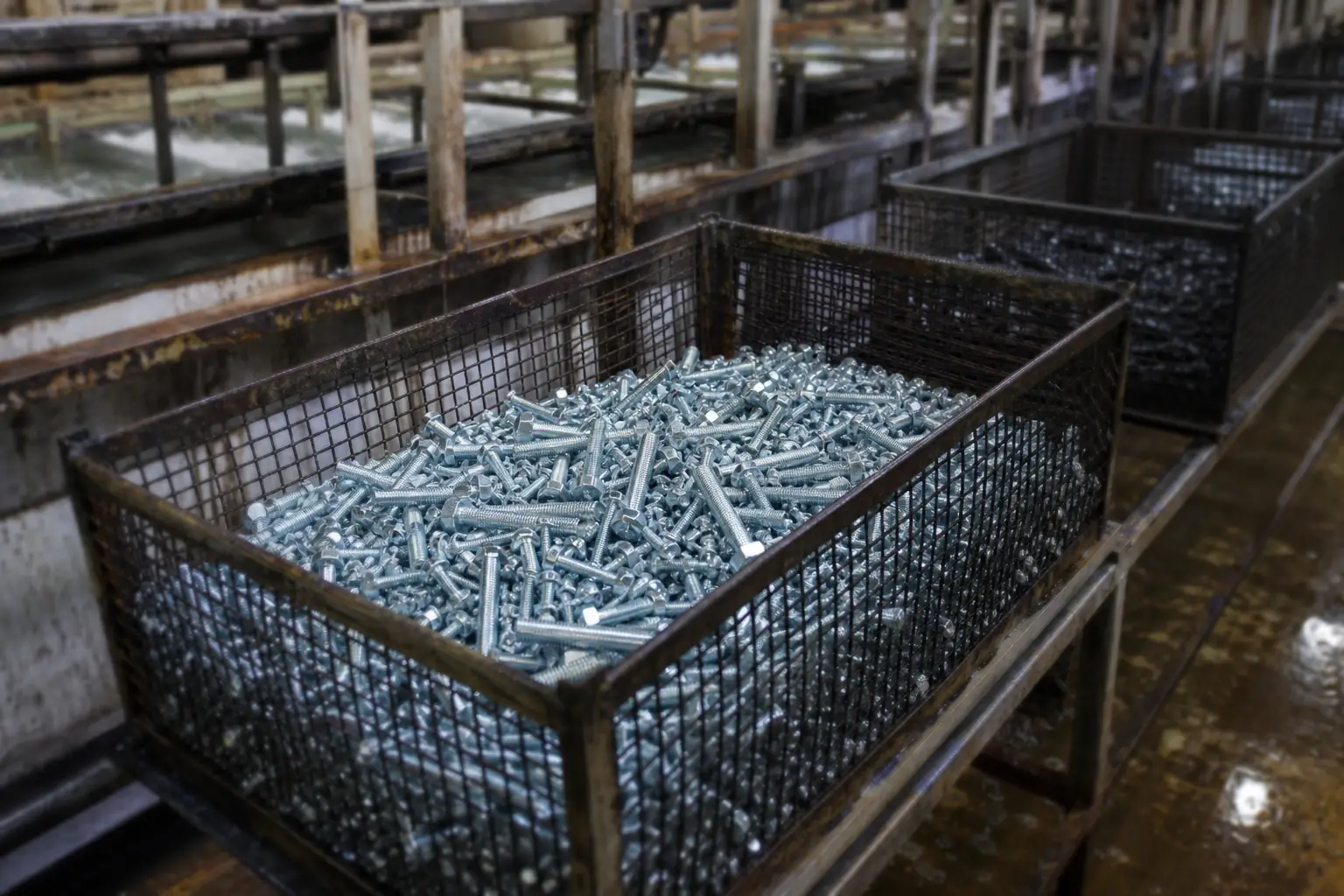
- Material: Choose the material and finish for the service environment — plated steel for general use, stainless for corrosion resistance.
- Environment: For damp, coastal or chemical exposure prefer A4/316 stainless or a suitable coating; indoors, plated steel or A2 is usually sufficient.
- Standard: This is a trade-series article rather than one covered by a published dimensional standard, so dimensions can differ between manufacturers. Quote the dimensions you need — or the part you are replacing — rather than a standard number.
Where Wire Rope — ISO / DIN (Series 152) Are Not the Right Choice
Match the fastener to the load, environment and whether the joint must be reopened; the wrong class or style is the usual cause of joint failure.
Custom manufacturing · Made to drawing
Need a wire rope outside the standard range?
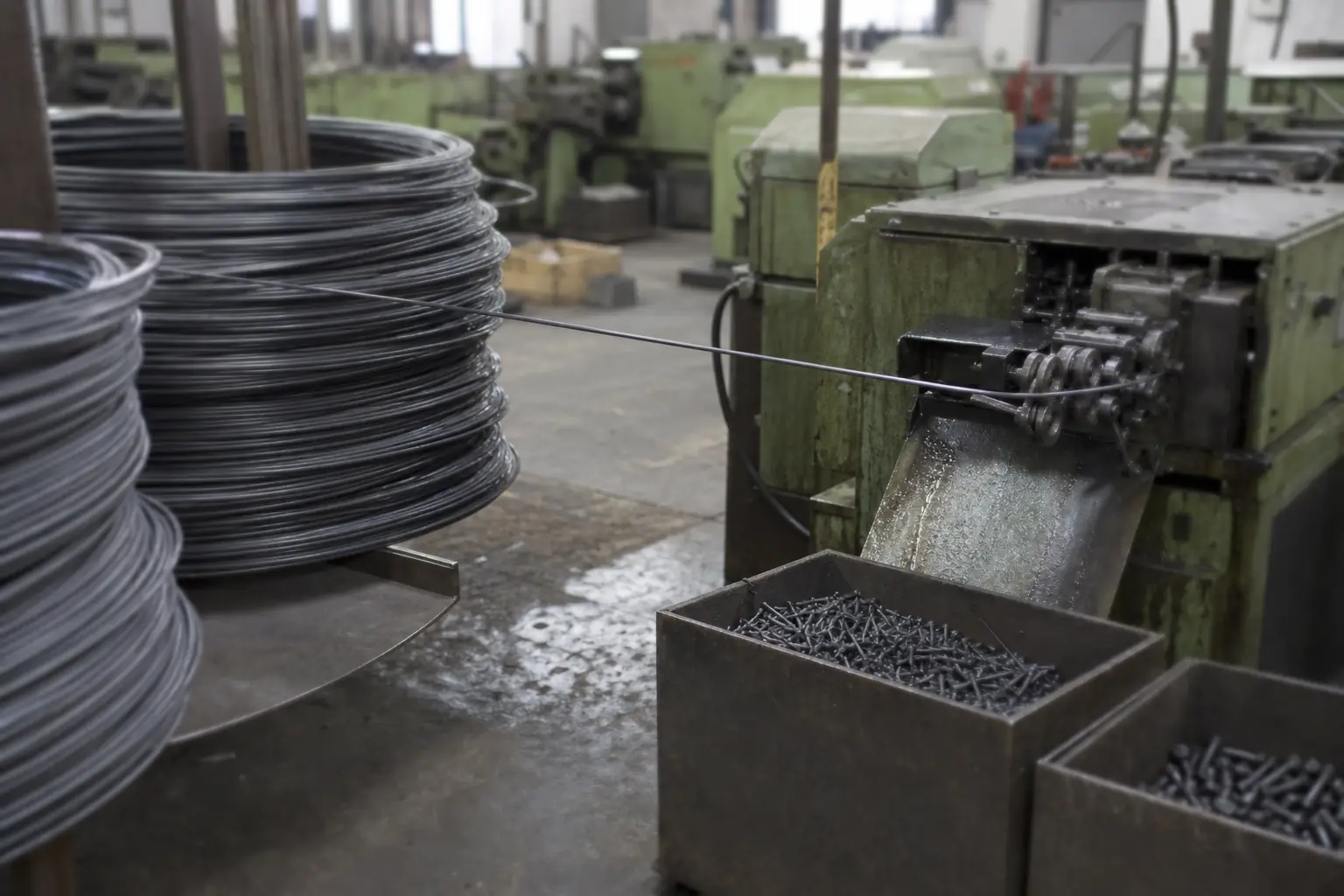
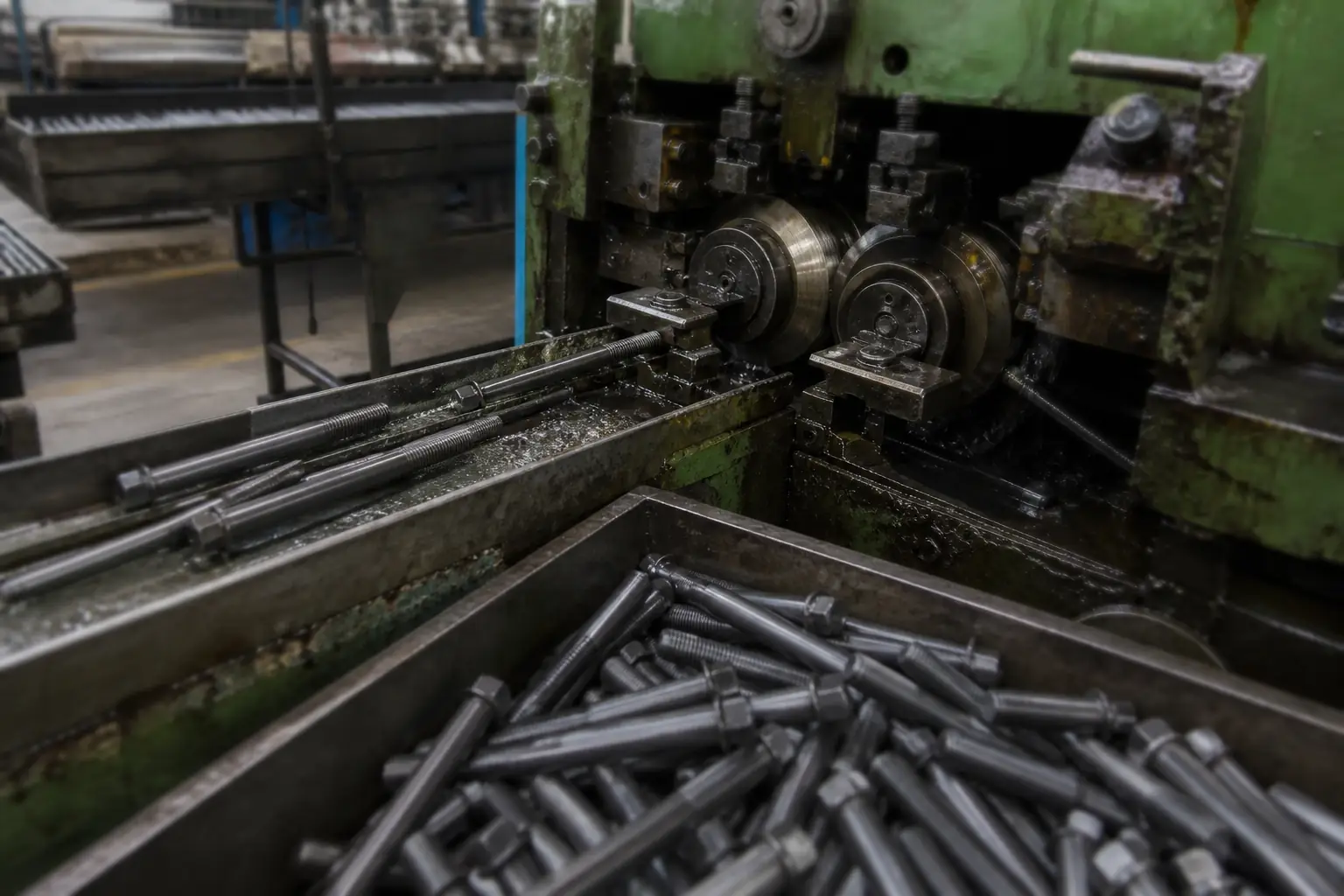
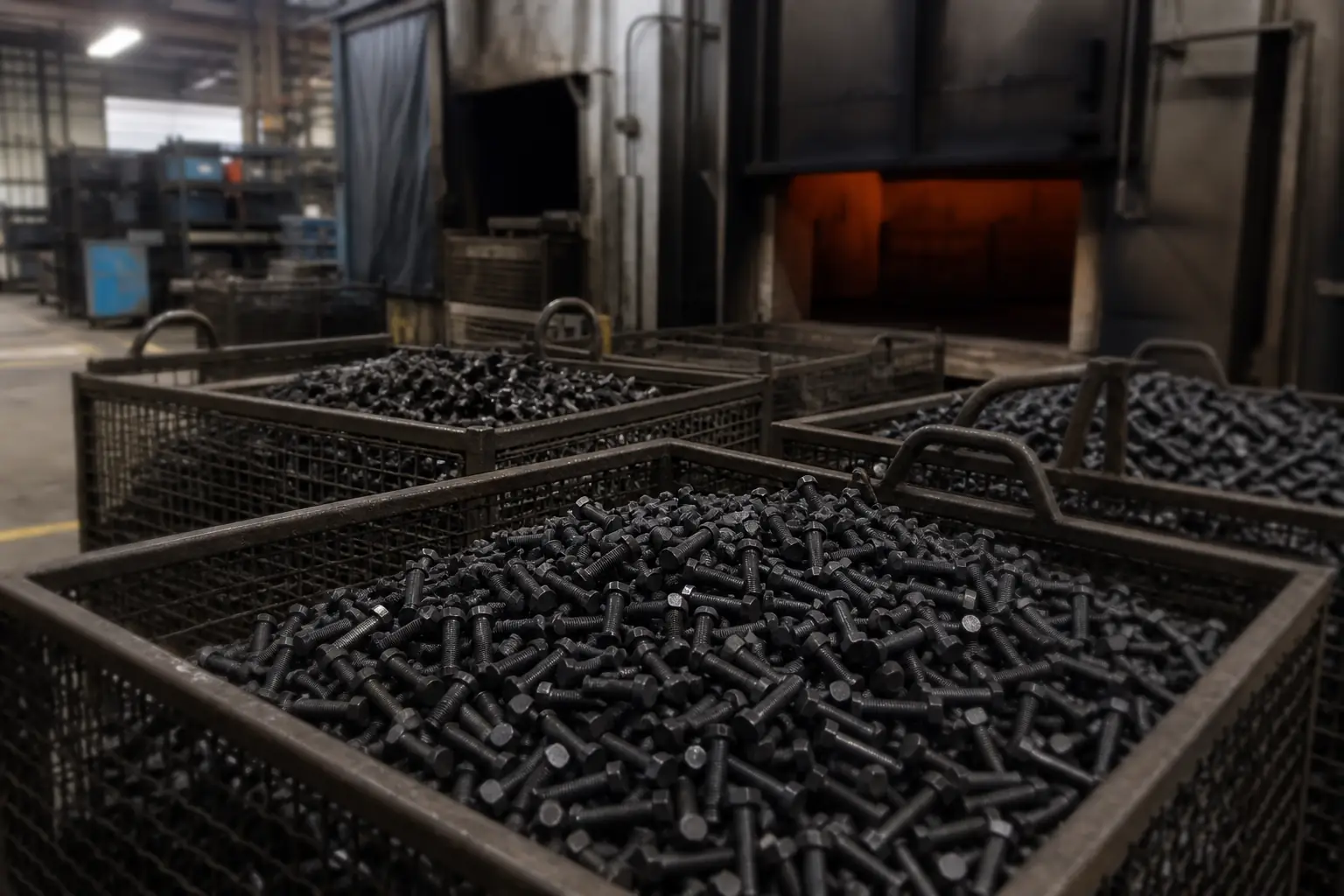
Dimensions, material, finish and form are specified from the drawing — a rigging hardware outside the standard range is a variation on existing tooling rather than a new design. Made by hot forging.
Minimum order from 2,000 pieces; samples within 7 days of drawing approval.