Parallel Keys are selected when an assembly calls for transmitting torque between a shaft and a hub. This application guide to the DIN 6885 / ISO 773 type covers concrete end-uses, the specification checklist, correct installation, and where an alternative fastener performs better. Stocked across roughly 6 mm to 440 mm, they cover general to heavy-duty work.
Typical Applications for Parallel Keys
The most common settings where these are specified:
- Gearboxes & motors: transmitting torque from a shaft to a hub.
- Pumps & fans: driving rotating components without slip.
- General machine building: fastening covers, brackets, motors and sub-assemblies on production equipment.
- Maintenance & repair (MRO): a stocked size for servicing existing plant where the original fastener spec must be matched.
- Fabrication & metalwork: bench and on-site assembly of steel frames, enclosures and weldments.
How to Specify Parallel Keys for Your Application
- Size: Select on key section, and confirm it against the mating feature in the assembly. This product spans 6 mm–440 mm; check the full table below for the exact dimensions of each size.
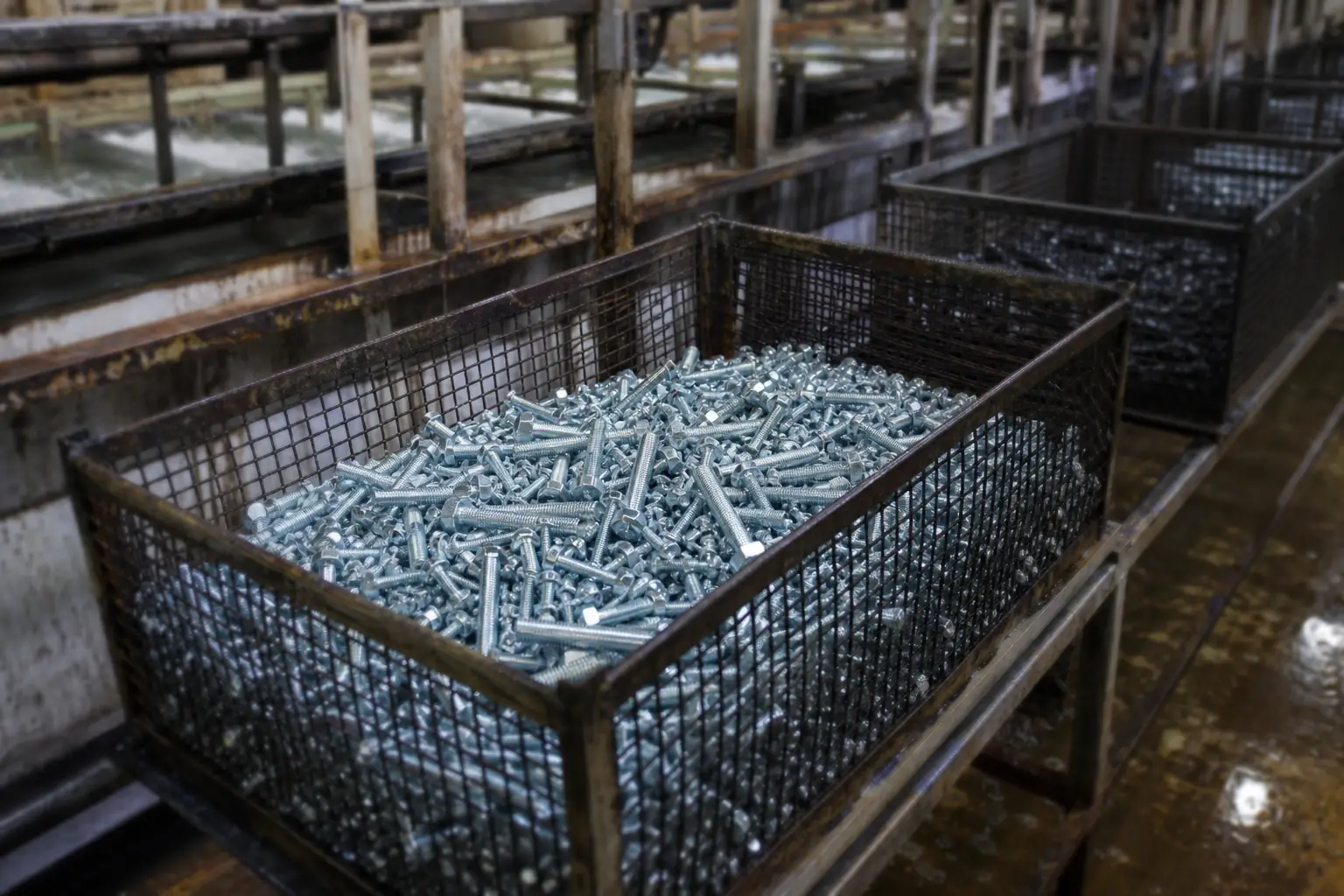
- Material: Choose the material and finish for the service environment — plated steel for general use, stainless for corrosion resistance.
- Environment: For damp, coastal or chemical exposure prefer A4/316 stainless or a suitable coating; indoors, plated steel or A2 is usually sufficient.
- Standard: This product is supplied to DIN 6885 / ISO 773. Quoting the standard on your order guarantees interchangeable dimensions between suppliers.
Where Parallel Keys Are Not the Right Choice
Not for very high reversing torque without an interference fit, and not as an axial retainer.
Custom manufacturing · Made to drawing
Need a parallel keys outside the standard range?
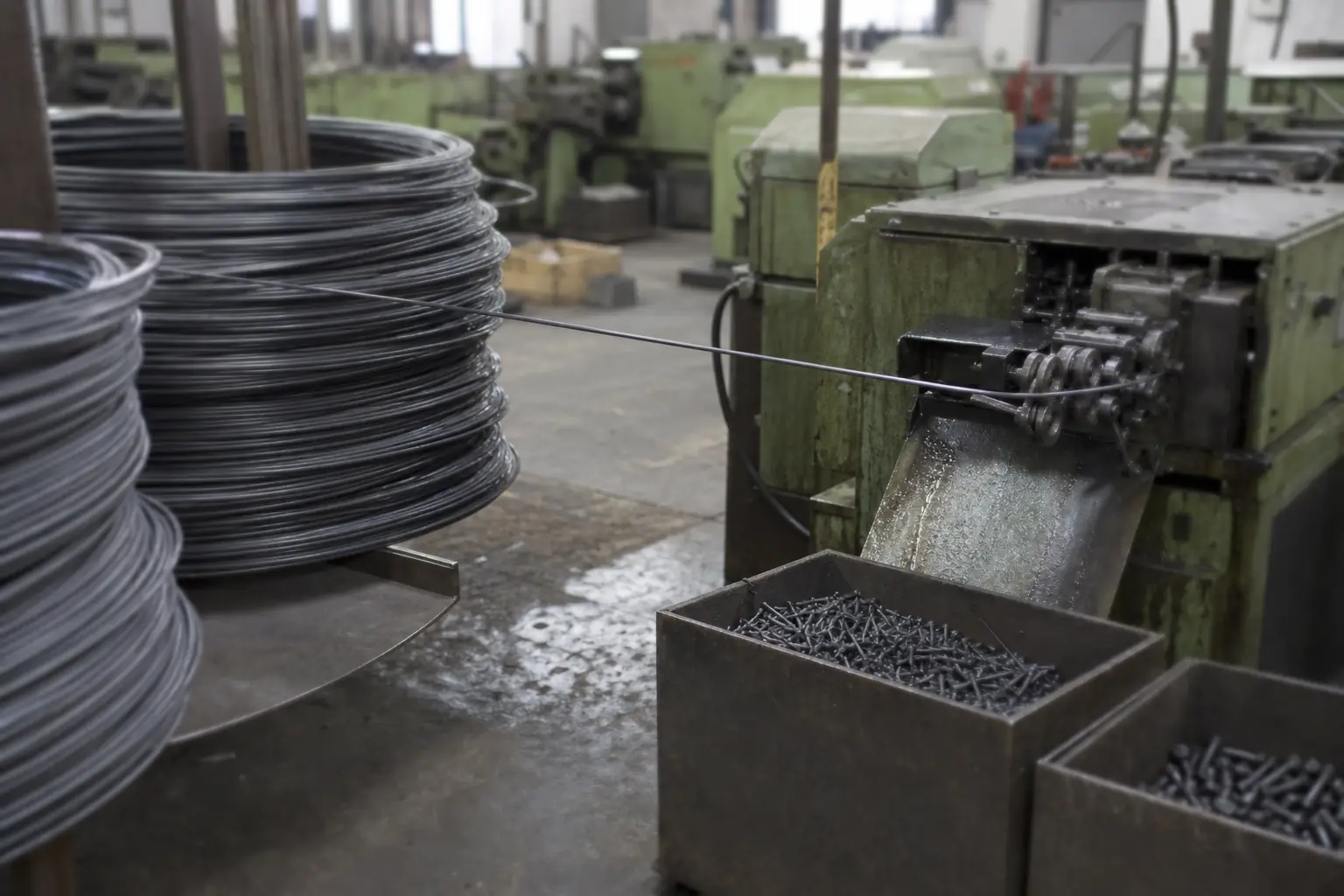
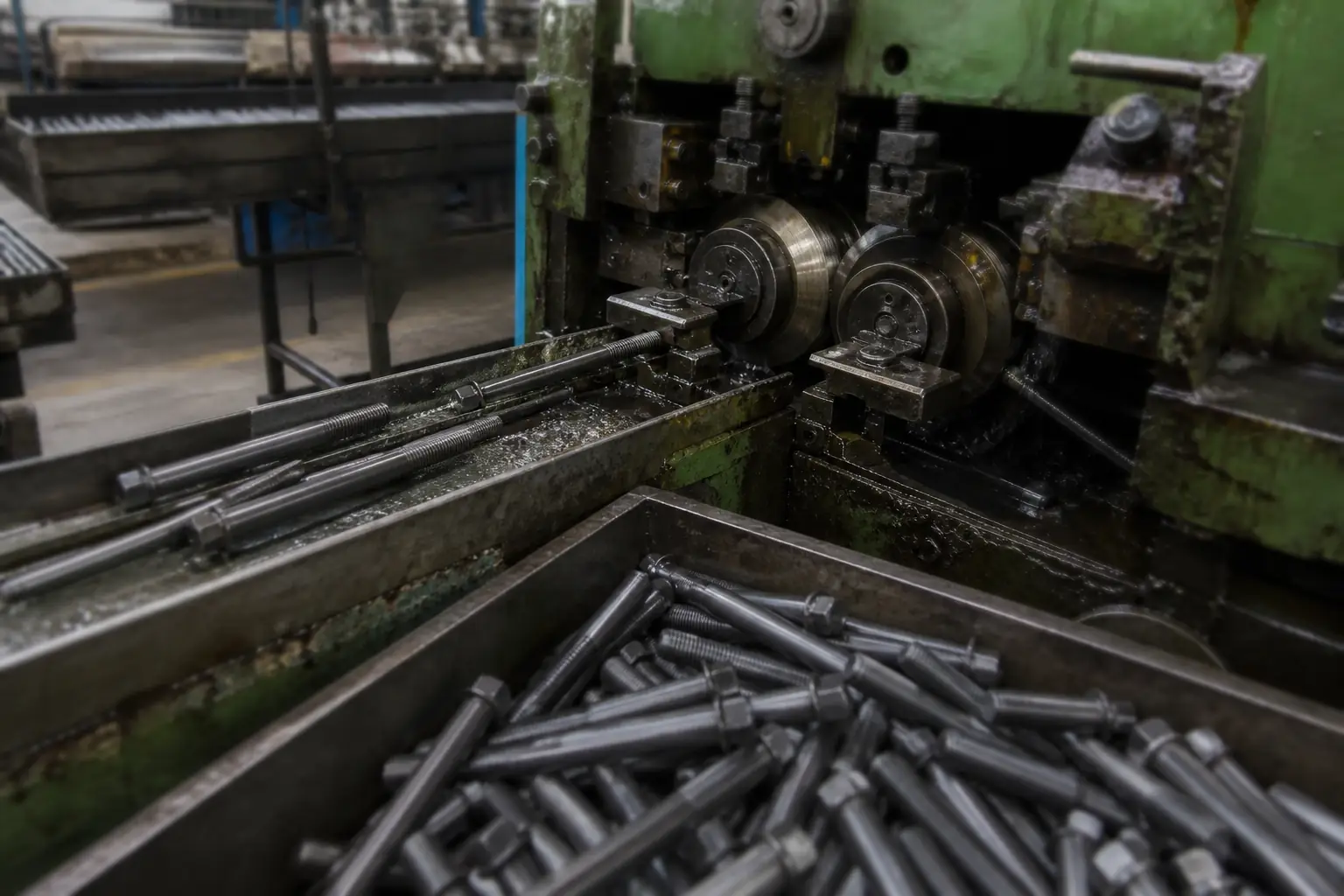
Width, height, length, taper and material are specifiable, and the keyway drawing matters as much as the key itself. Made by milling or broaching & serration.
Minimum order from 2,000 pieces; samples within 7 days of drawing approval.