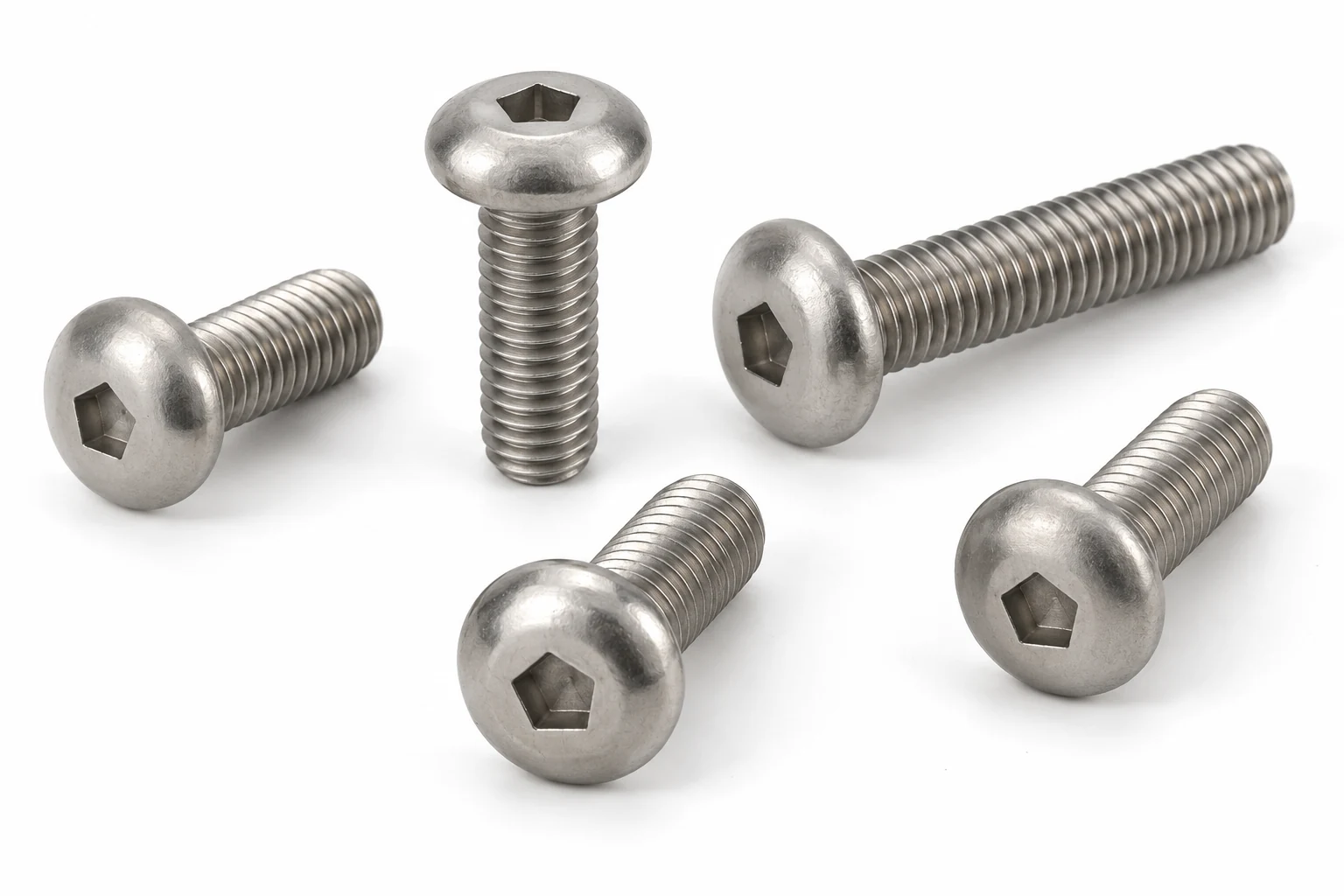
Pentagon-Head Security Screws are selected when an assembly calls for fixings in public or unsupervised places that must resist casual removal with ordinary tools. This application guide to the Trade series (pentagon-head security screws) type covers concrete end-uses, the specification checklist, correct installation, and where an alternative fastener performs better. Stocked across roughly 3 to 3, they cover light-duty and instrument-scale work.
Typical Applications for Pentagon-Head Security Screws
The most common settings where these are specified:
- Public fixtures: Five-point sockets discourage removal with ordinary hand tools.
- Transit equipment: Stainless security screws retain panels and signs in exposed locations.
- Utility enclosures: Fully threaded 3/8-16 hardware secures a cover with a defined head envelope.
- Retail displays: The special drive reduces casual tampering.
Related Security & Tamper-Resistant Screws products
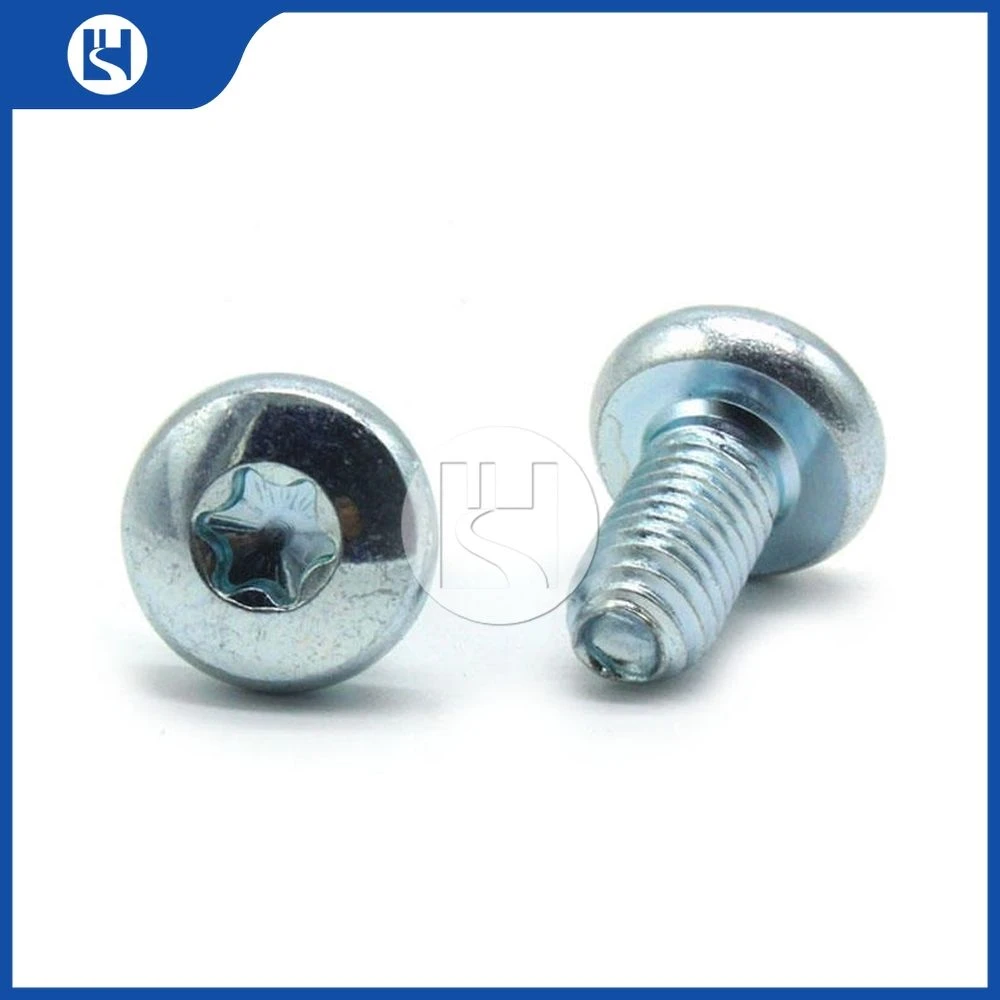
Metric Measure System Tamperproof M3 Self-Tapping Screws (Steel) Flat Head Triangular Tri-Lobular Drive Machine Screw
Carbon Steel · M6-M12; 1/4"-3/4"
US$0.012 – 0.12MOQ 1,000 pieces
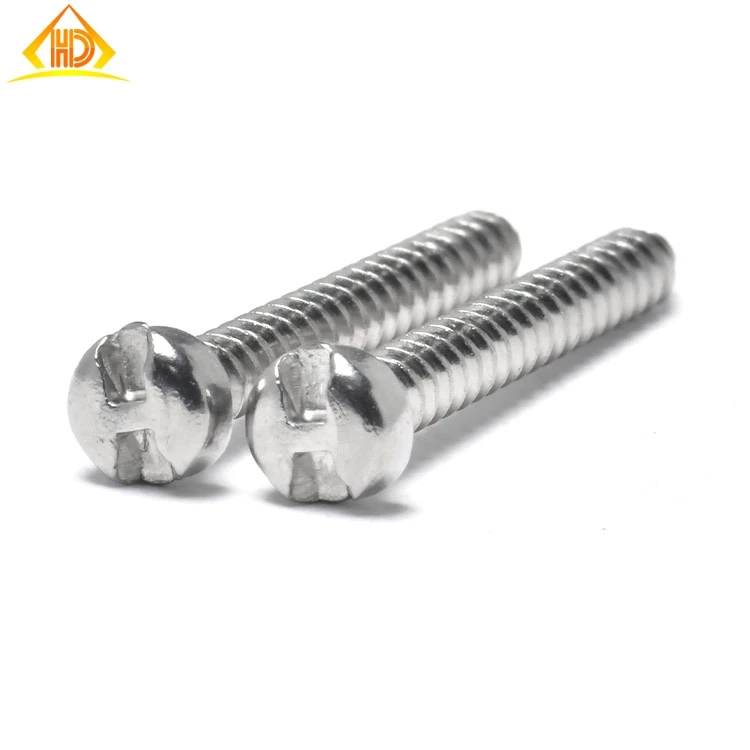
Hand Sales Fasteners SS304 M5 M6 Anti Thief H Groove Drive Self Tapping Security Screw
Pan Head · DIN, GB, Per Customers'desire
US$0.06 – 0.12MOQ 2,000 pieces
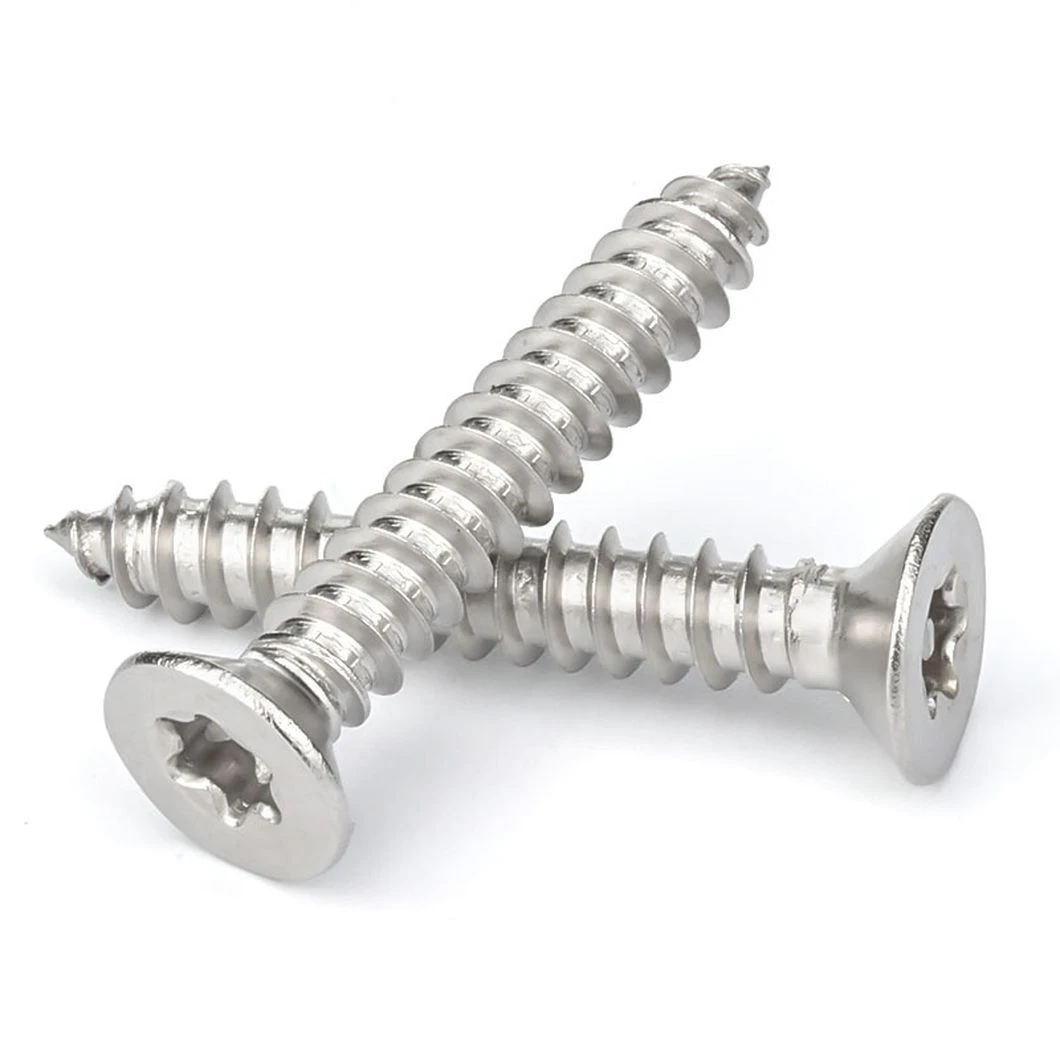
High-Strength Materials Customizable Countersunk Plum Blossom Head Anti-Theft Self-Tapping Screws
Round Head · DIN, GB, ANSI, BSW, JIS, GOST
US$0.12 – 2.40MOQ 1,000 pieces
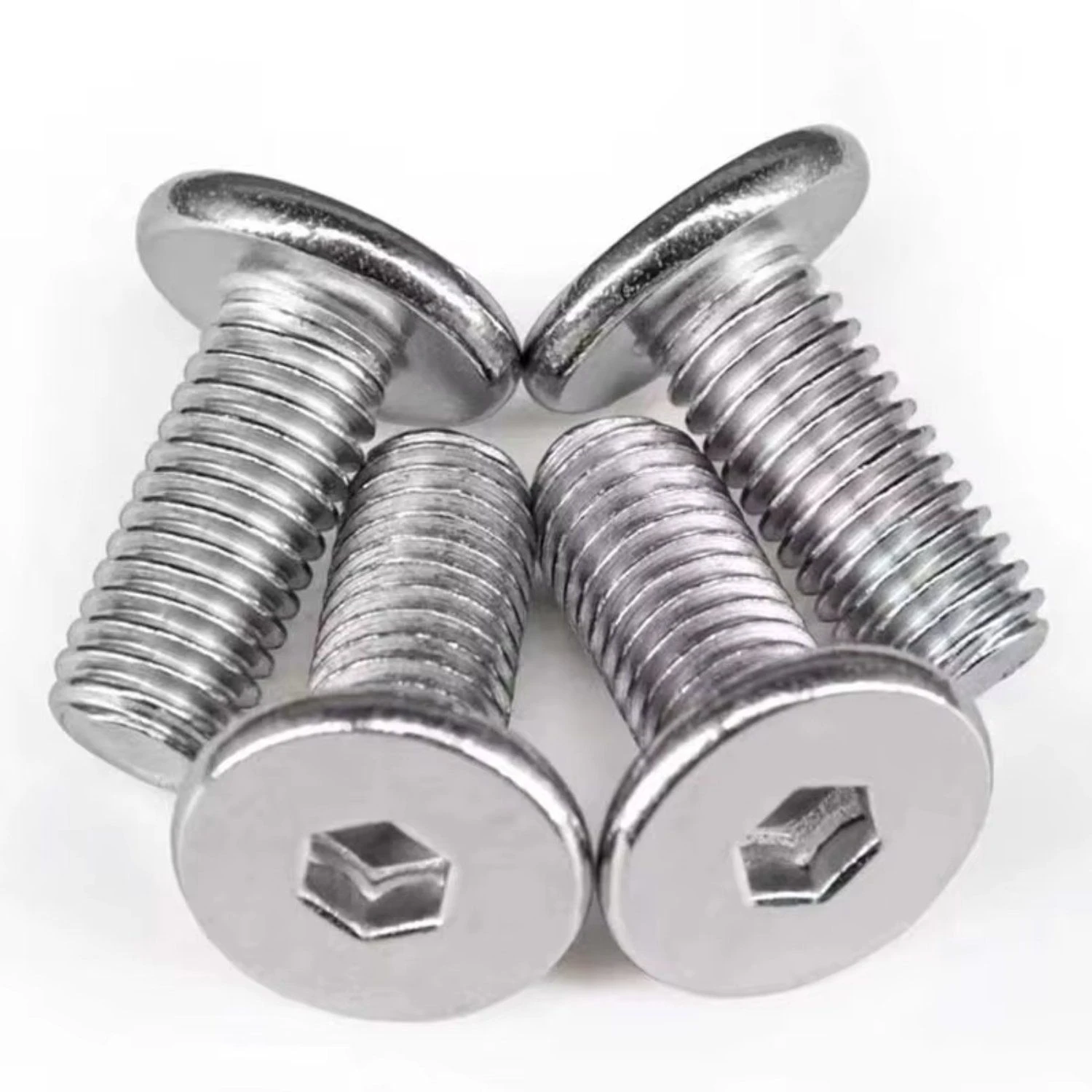
ISO9001 High Quality Stainless Steel Tamper Proof Button Head Security Screw
Round Head · DIN
US$0.036MOQ 2,000 pieces
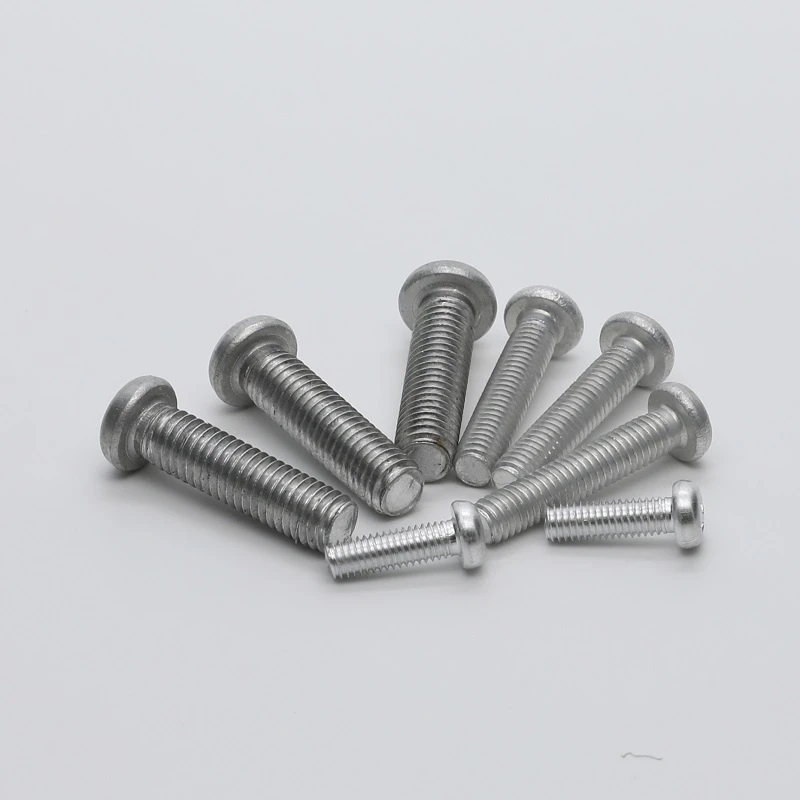
Stainless Steel #8~#12 Button Head Torx Security Screws
Hexagon Head · DIN, ANSI
US$0.03 – 0.06MOQ 1,000 pieces
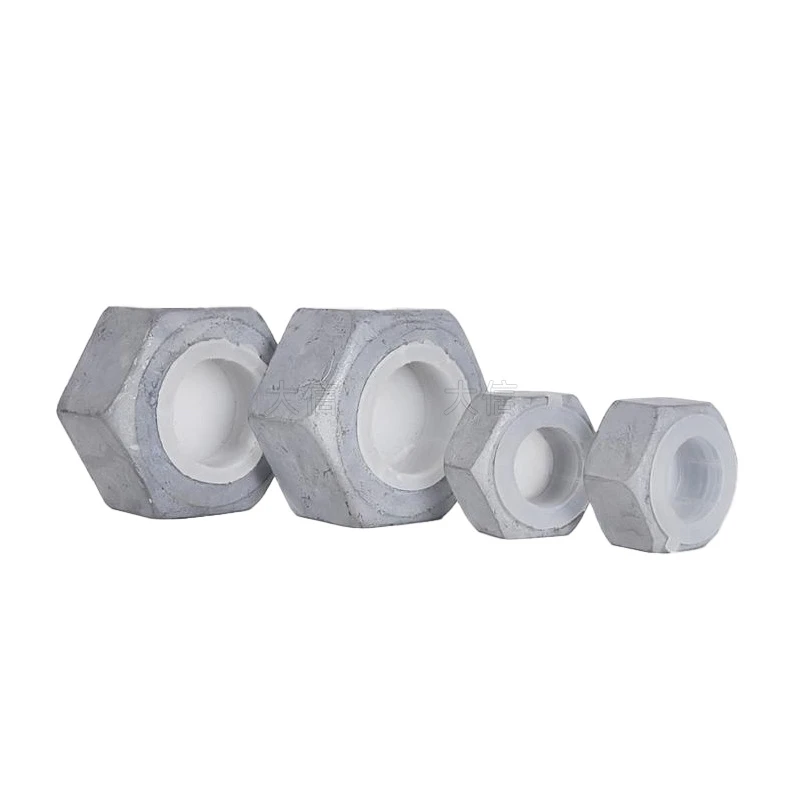
Fast Assembly Hex Head Anti-Theft Lock Nuts Used for Public Infrastructure
Hexagon Head · DIN, ANSI, GB, JIS, GOST, BSW
US$0.012 – 0.06MOQ 1,000 pieces
View all Security & Tamper-Resistant Screws → Full product catalog
How to Specify Pentagon-Head Security Screws for Your Application
- Size: Match the nominal size to the mating thread or hole. This product spans 3–3; check the full table below for the exact dimensions of each size.
- Drive & head: Pick the drive (socket, cross, slot) and head style for the tool access and seating surface; a recessed drive resists cam-out under power tools.
- Environment: For damp, coastal or chemical exposure prefer A4/316 stainless or a suitable coating; indoors, plated steel or A2 is usually sufficient.
- Standard: This product is supplied to Trade series (pentagon-head security screws). Quoting the standard on your order guarantees interchangeable dimensions between suppliers.
Installation & Assembly Practice
- Match the driver exactly to the recess (PH ≠ PZ; hex key sizes per ISO 2936) and keep the tool axial — side load is the main cause of stripped drives.
- In tapped holes, engage a thread length of at least 1× the nominal diameter in steel, 2× in aluminum.
- Set power tools to a torque that seats the head without embedding it into the mating surface.
Common Selection Mistakes with Pentagon-Head Security Screws
- Under-sizing the drive for the installation torque — a small recess at high torque strips before the screw is seated.
- Using a countersunk head in thin sheet where the countersink removes most of the load-bearing material.
- Specifying stainless in high-strength duty: A2-70 is roughly class 7 steel, not a 10.9 substitute.
Where Pentagon-Head Security Screws Are Not the Right Choice
Not for high-preload structural joints (use a property-class bolt and nut), and not in thin sheet where a self-drilling or self-tapping type suits better.
Custom manufacturing · Made to drawing
Need a pentagon-head security screws outside the standard range?
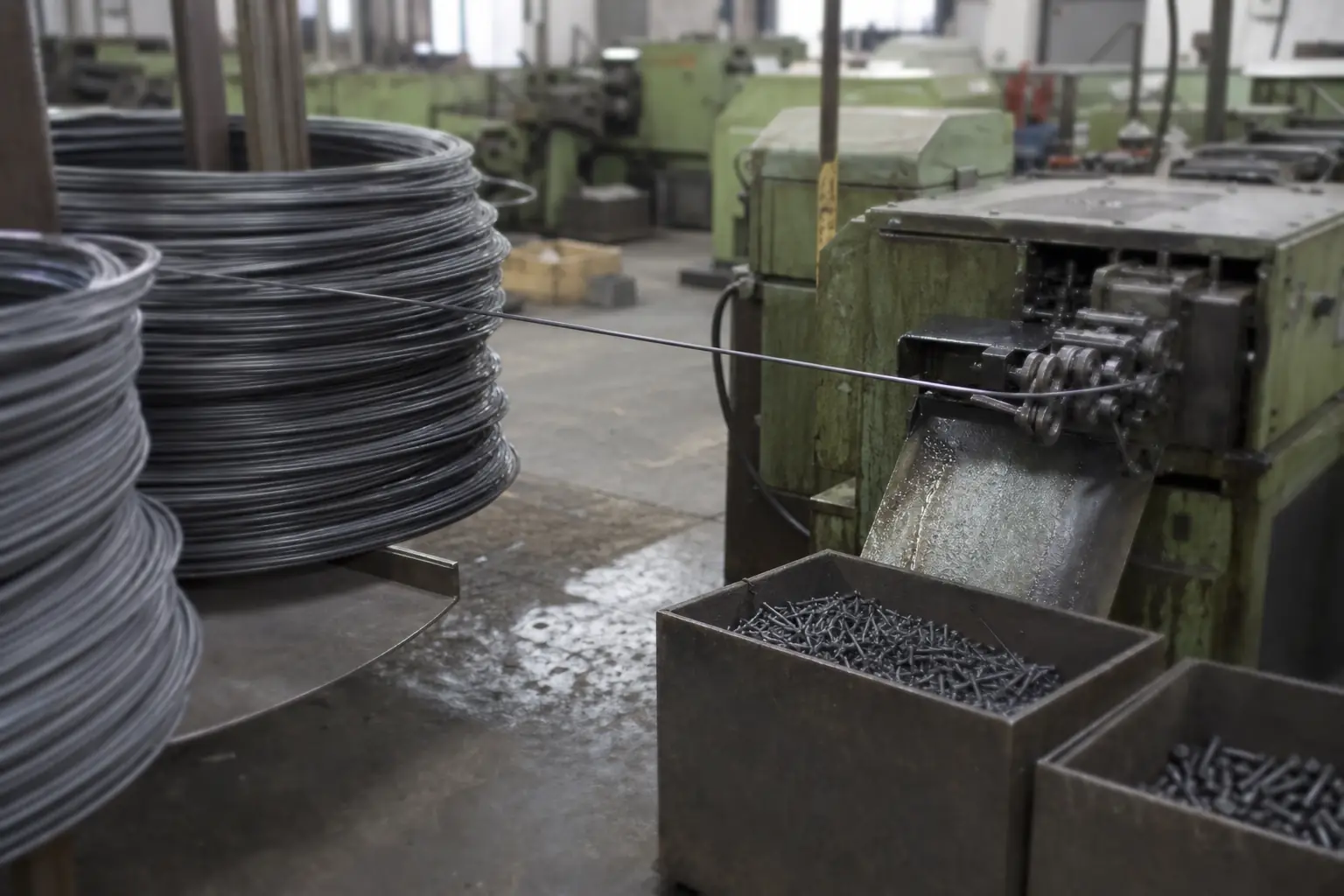
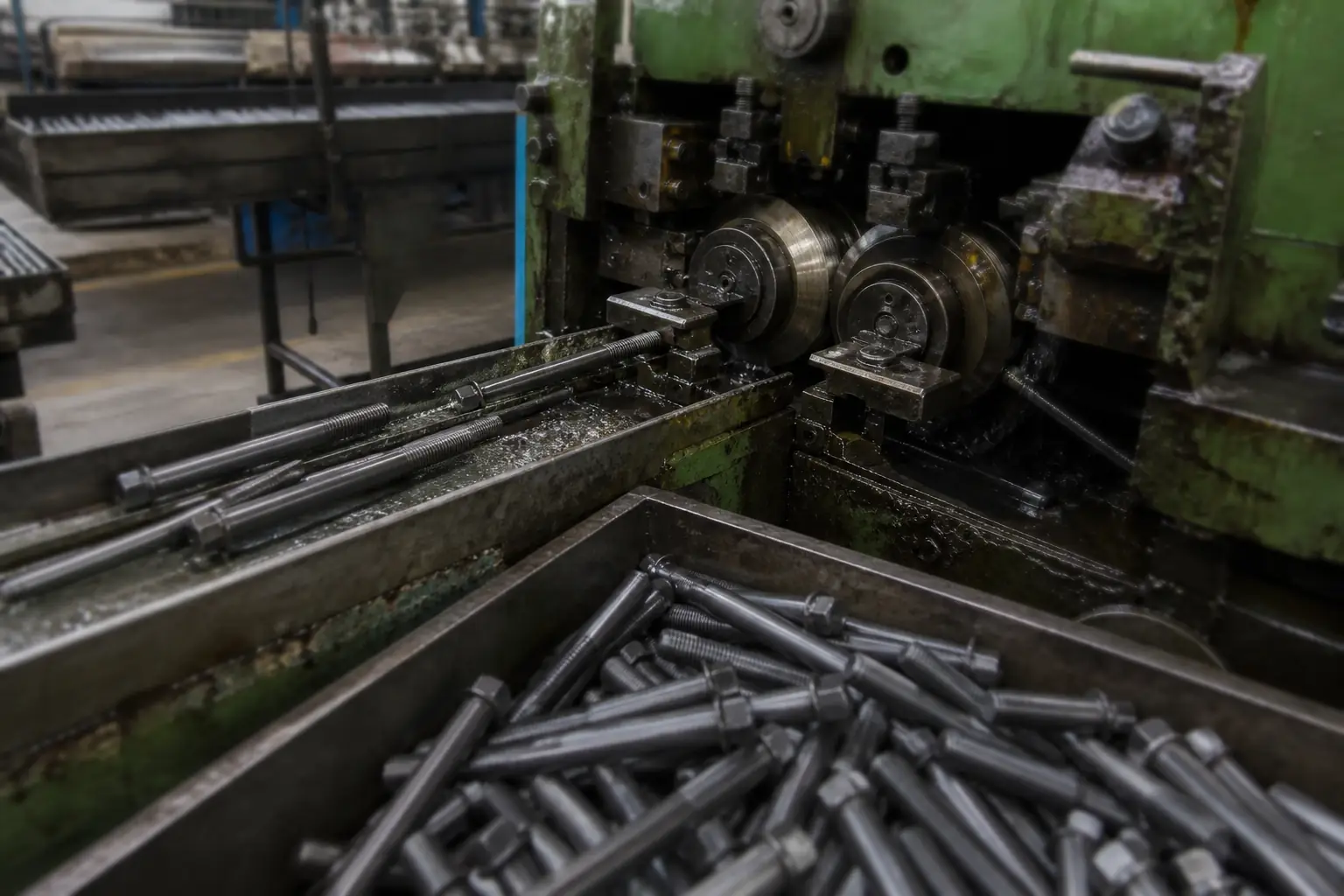
Where the standard stops, the drawing takes over: fine pitches, left-hand threads, partial threading, and property classes above the catalogued grade where material and heat treatment allow. Made by cold heading or warm forging.
Minimum order from 2,000 pieces; samples within 7 days of drawing approval.