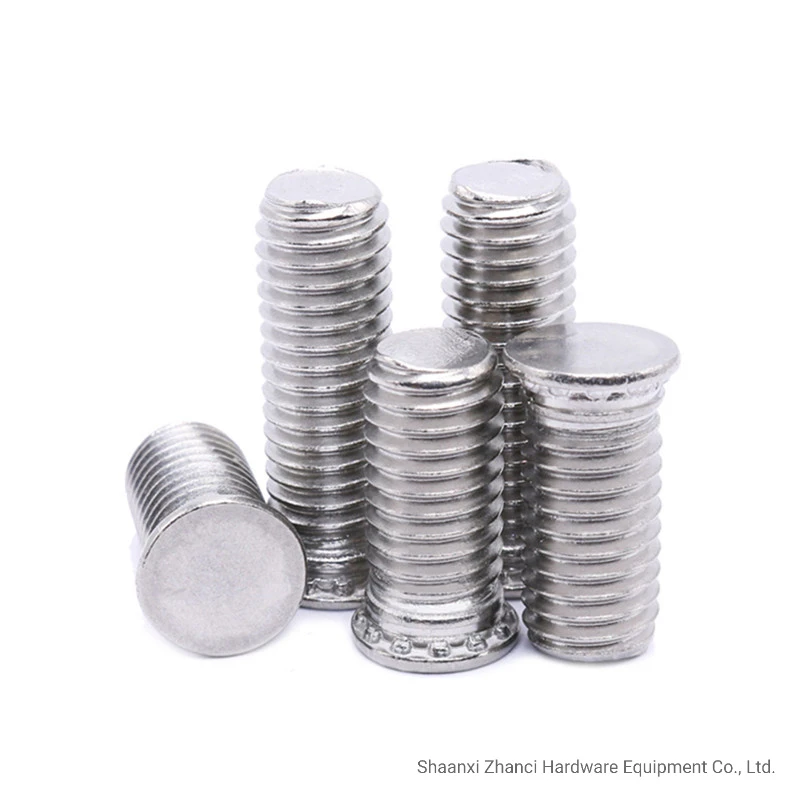
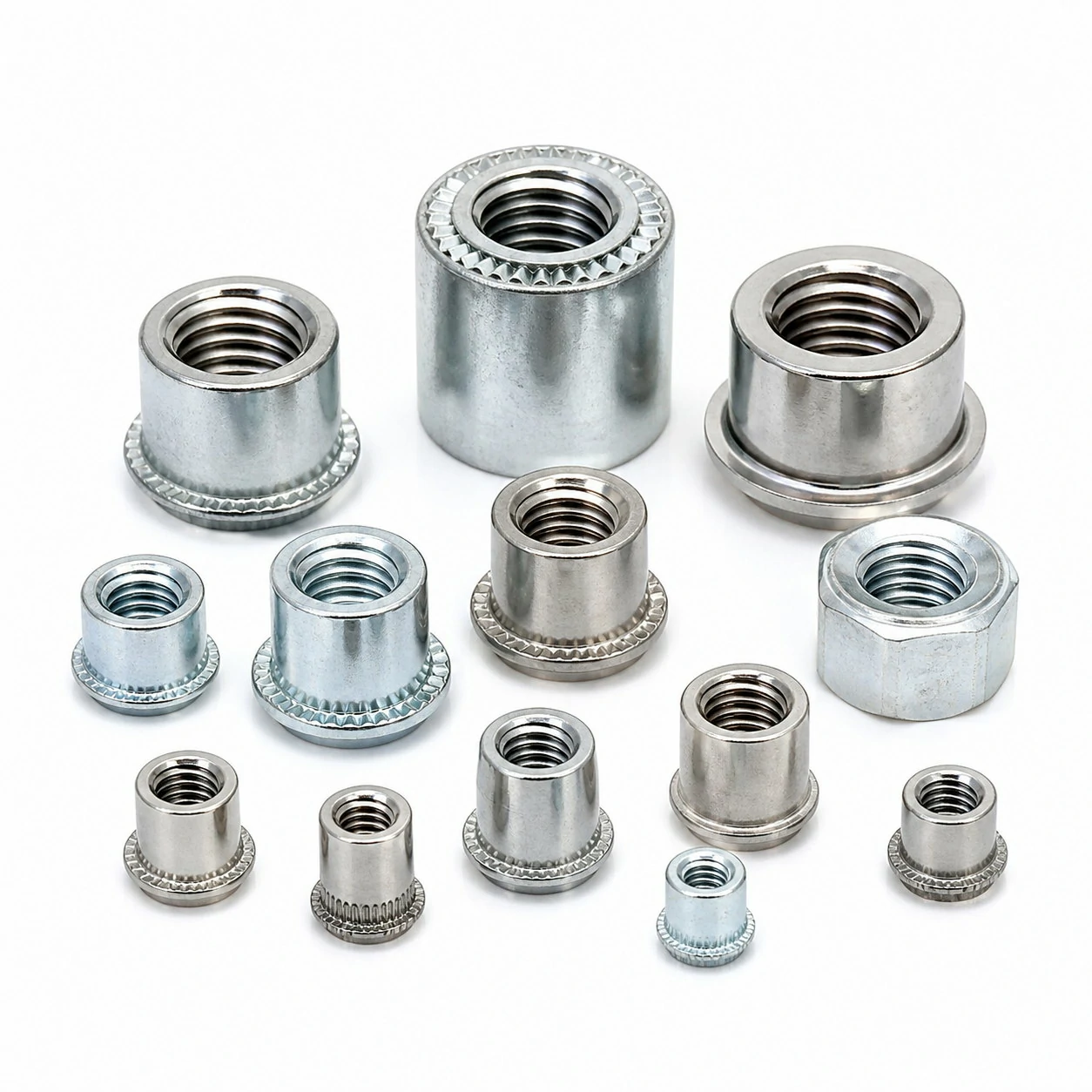
A4 Stainless Steel Self-Clinching Press-Fit Nuts are supplied to our own published dimensions — this is a trade-series article rather than one covered by a dimensional standard, so confirm the figures against the part you are replacing. The grade provides superior, including marine and chloride environments and is largely non-magnetic; the practical service range is approx. -200 °C to +400 °C, subject to the property class and the joint.
Why Choose A4 Stainless Steel for Self-Clinching Press-Fit Nuts
Specified for marine, coastal and chemical applications. For self-clinching press-fit nuts, this matters when superior, including marine and chloride environments is the primary requirement.
Mechanical & Physical Properties
| Grade designation | ISO 3506 group A4 (316 / 1.4401), commonly supplied A4-80 |
|---|---|
| Magnetic response | Largely non-magnetic |
| Service temperature | approx. -200 °C to +400 °C, subject to the property class and the joint |
| Corrosion characteristic | Superior, including marine and chloride environments |
Galvanic & Galling Considerations
Two important notes for stainless self-clinching press-fit nuts: (1) stainless can gall on stainless threads under load — use a thread lubricant or anti-galling compound, especially for M6 and below; (2) when joined to aluminum or galvanized steel, stainless can drive galvanic corrosion of the less-noble metal in wet service — isolate with a coating or sleeve where appropriate.
Comparable Grades
For Self-Clinching Press-Fit Nuts, the alternative stainless grade is A2 (304). The practical dividing line is chlorides: A2 (304) is fine until salt is involved, and A4 (316) exists for the cases where it is — coastal, marine and road-salt service. Neither reaches the strength of a plated class 8.8 or 10.9 fastener.
Using Stainless Fasteners in Aluminum
Expect the aluminum to corrode, not the fastener — stainless sits higher in the galvanic series, so the aluminum is the one that gives up material. A small fastener in a thick section spreads the loss over a large area and is usually fine; a large fastener in thin sheet concentrates it and is not. Keep water out of the joint, or isolate the two metals with a nylon or coated washer and a sealant.
Sizes of Self-Clinching Press-Fit Nuts Available in A4 Stainless Steel
| Thread size | Shank diameter (mm) | Length (mm) | Hole in sheet (mm) | Minimum sheet thickness (mm) | Maximum sheet hardness | Material | Installation |
|---|---|---|---|---|---|---|---|
| M3 | 4.20 | 3.30 | 4.22 | 0.8 | HRB 80 | Case-hardened steel | Press, squeeze |
| M4 | 5.40 | 3.80 | 5.42 | 0.8 | HRB 80 | Case-hardened steel | Press, squeeze |
| M5 | 6.35 | 4.20 | 6.38 | 1.0 | HRB 80 | Case-hardened steel | Press, squeeze |
| M6 | 7.95 | 4.80 | 7.98 | 1.0 | HRB 80 | Case-hardened steel | Press, squeeze |
| M8 | 9.55 | 5.70 | 9.58 | 1.5 | HRB 80 | Case-hardened steel | Press, squeeze |
Dimensions are independent of the material: every size above is available in A4 Stainless Steel.
Custom manufacturing · Made to drawing
Need this nut in a grade that is not listed?
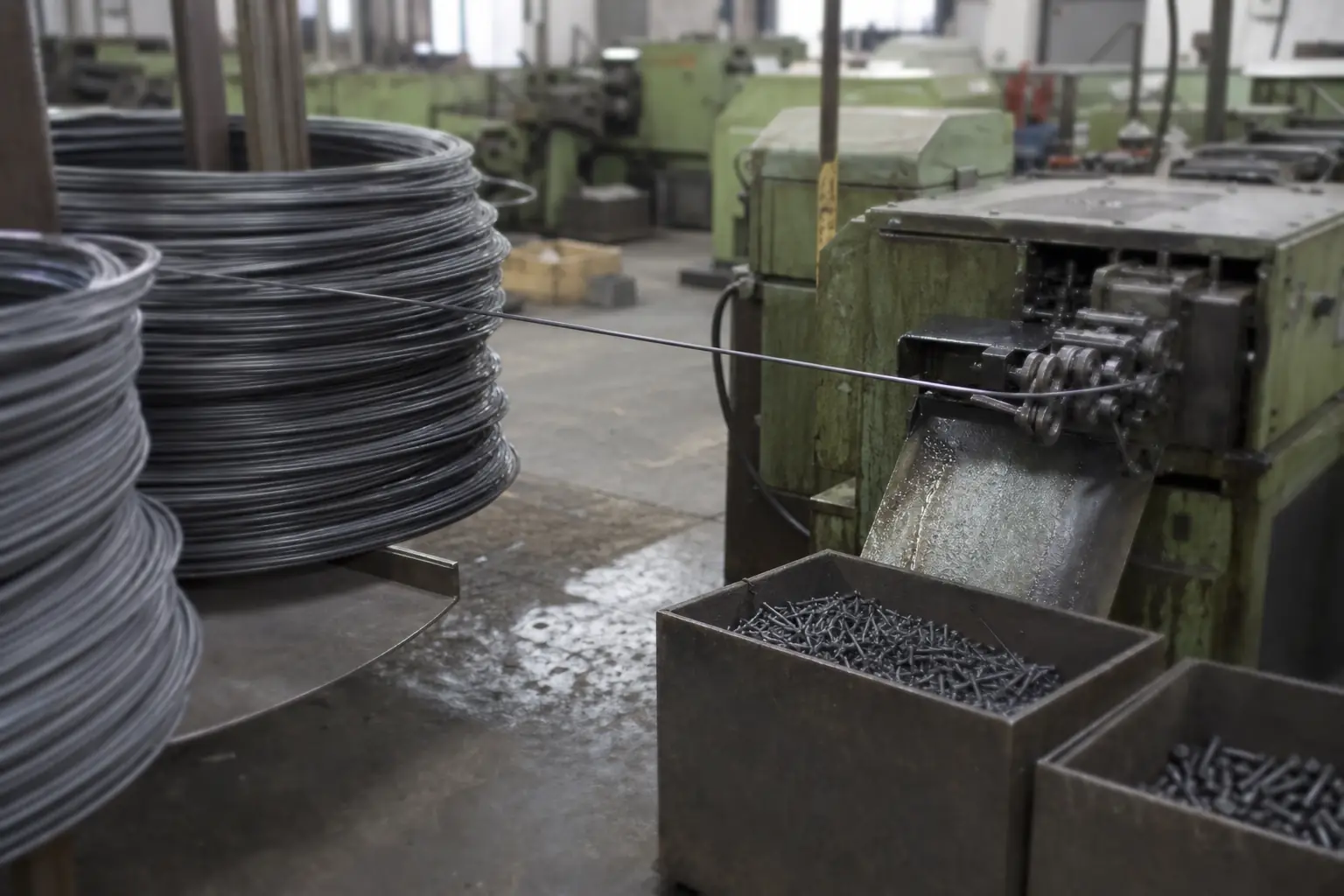
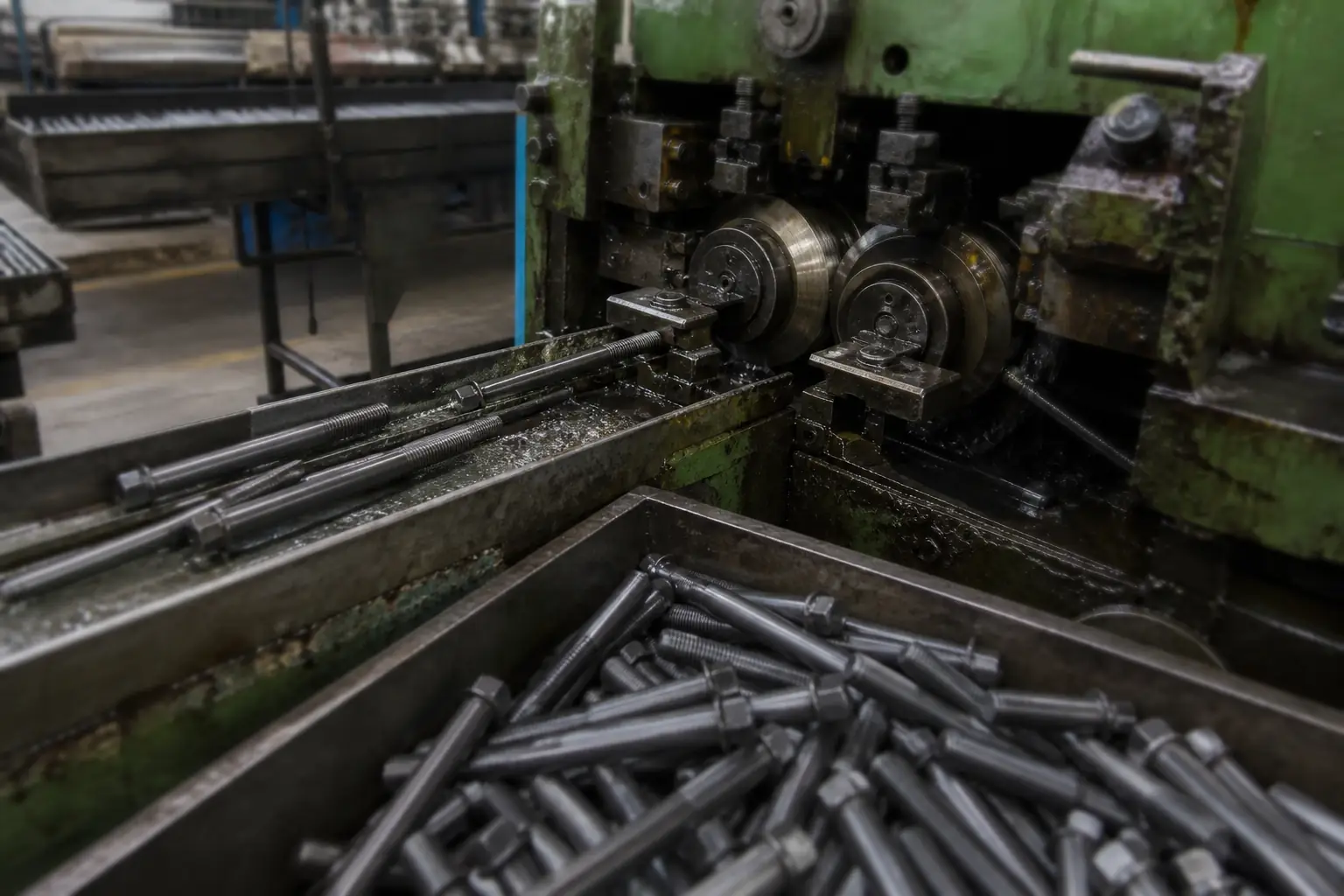
A4 Stainless Steel is one of the grades the catalog describes. Height and across-flats are the two most often changed — a thinner nut for clearance, a larger hex for a tool that is already on the line. Made by cold heading or tapping.
Minimum order from 2,000 pieces; samples within 7 days of drawing approval.