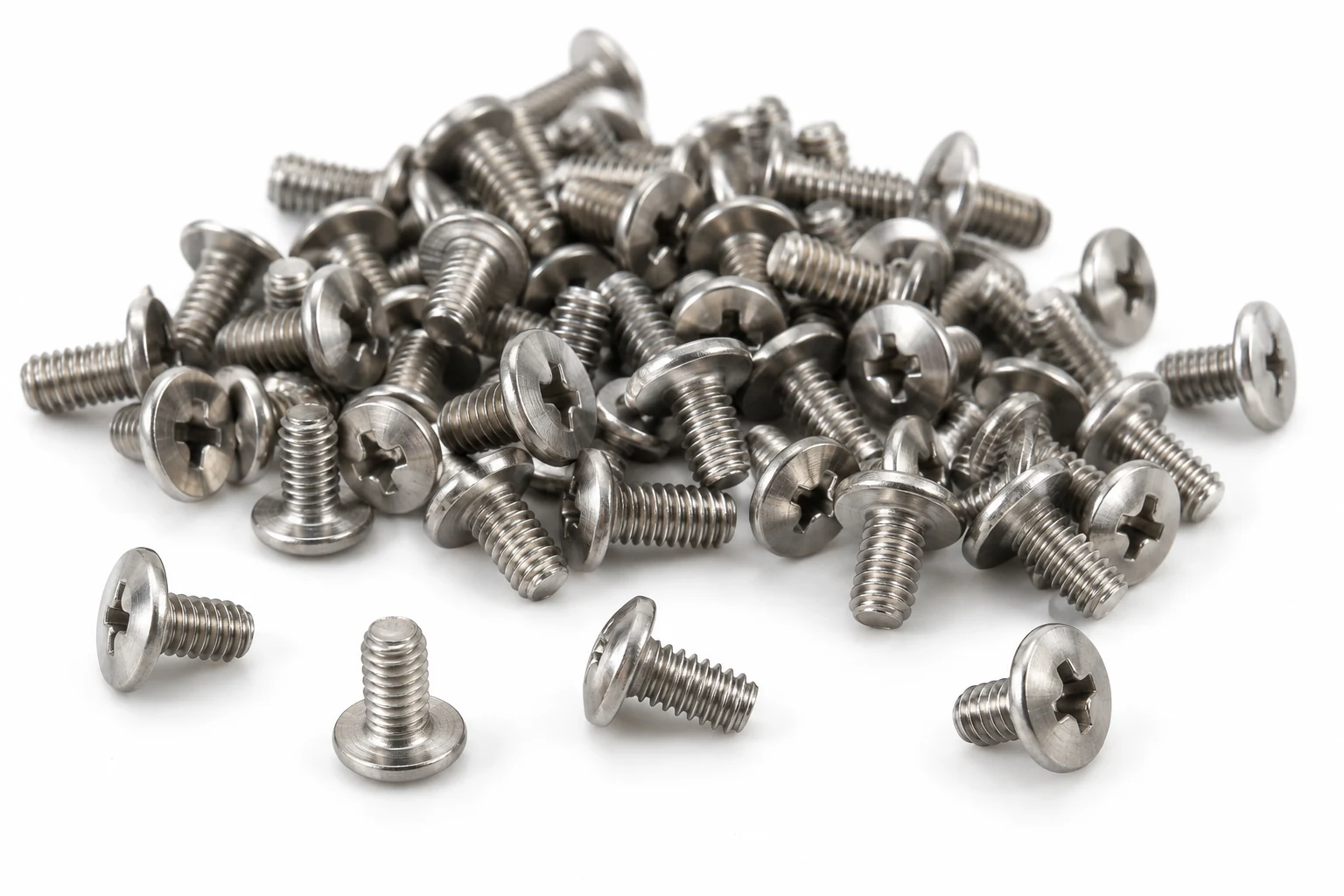
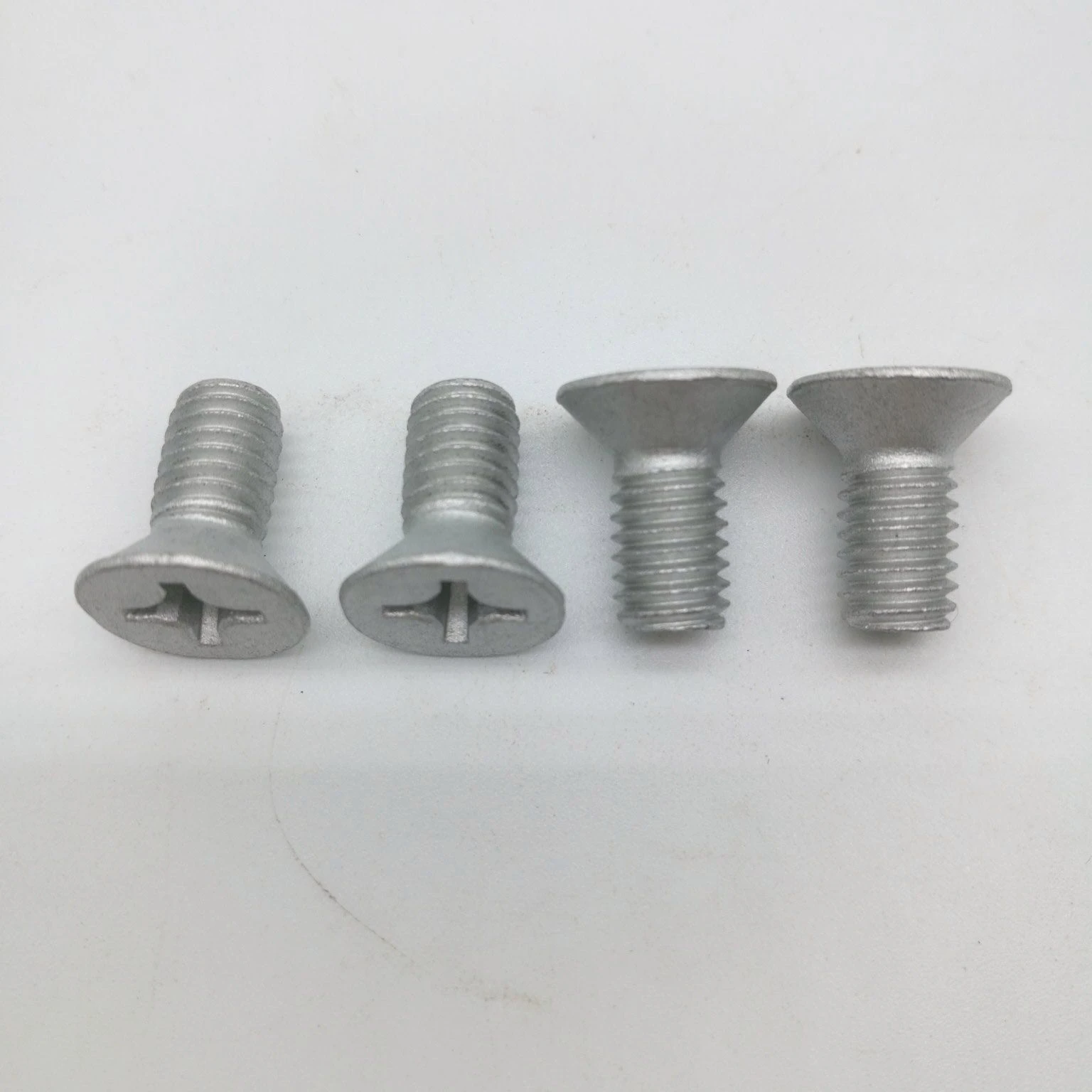
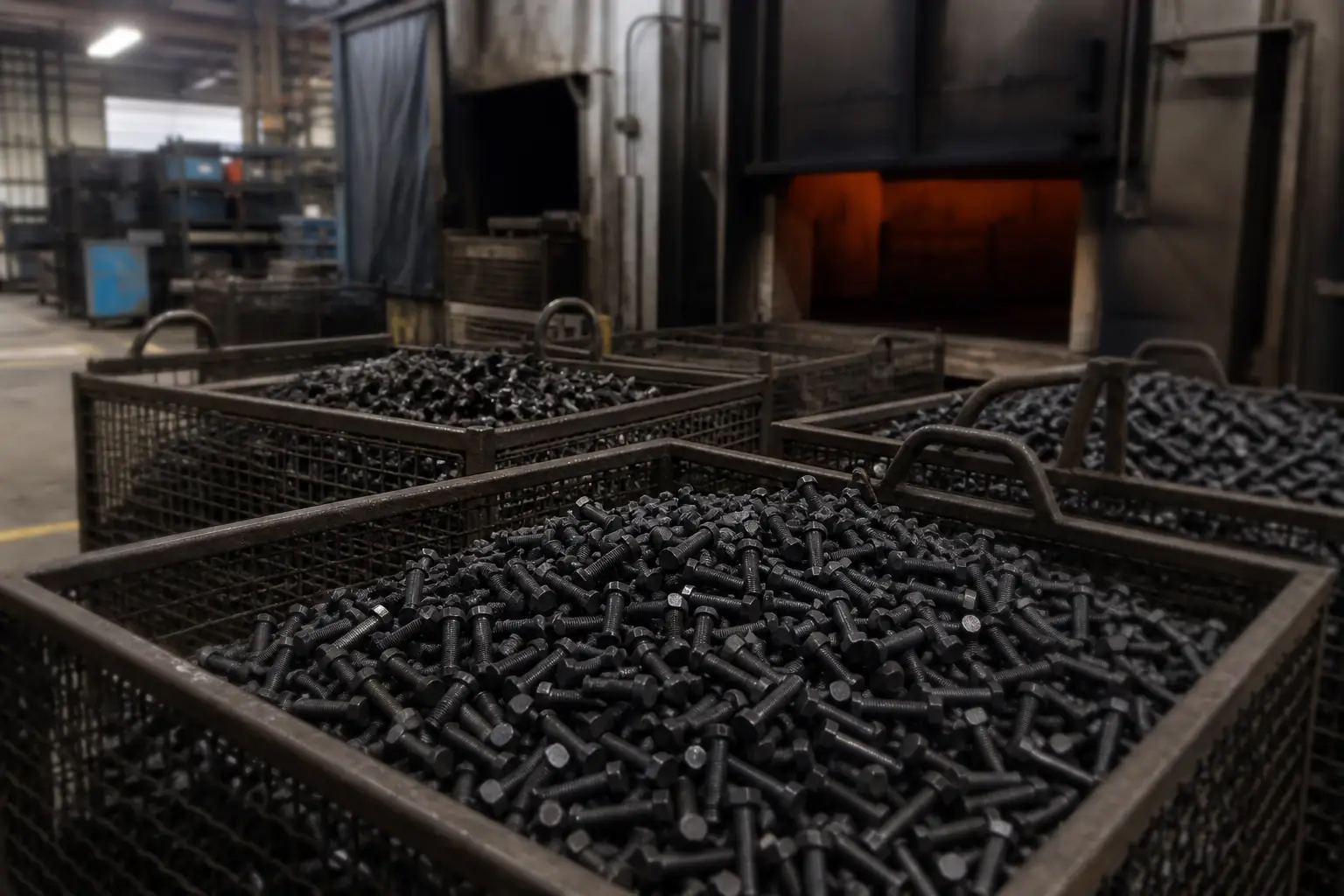
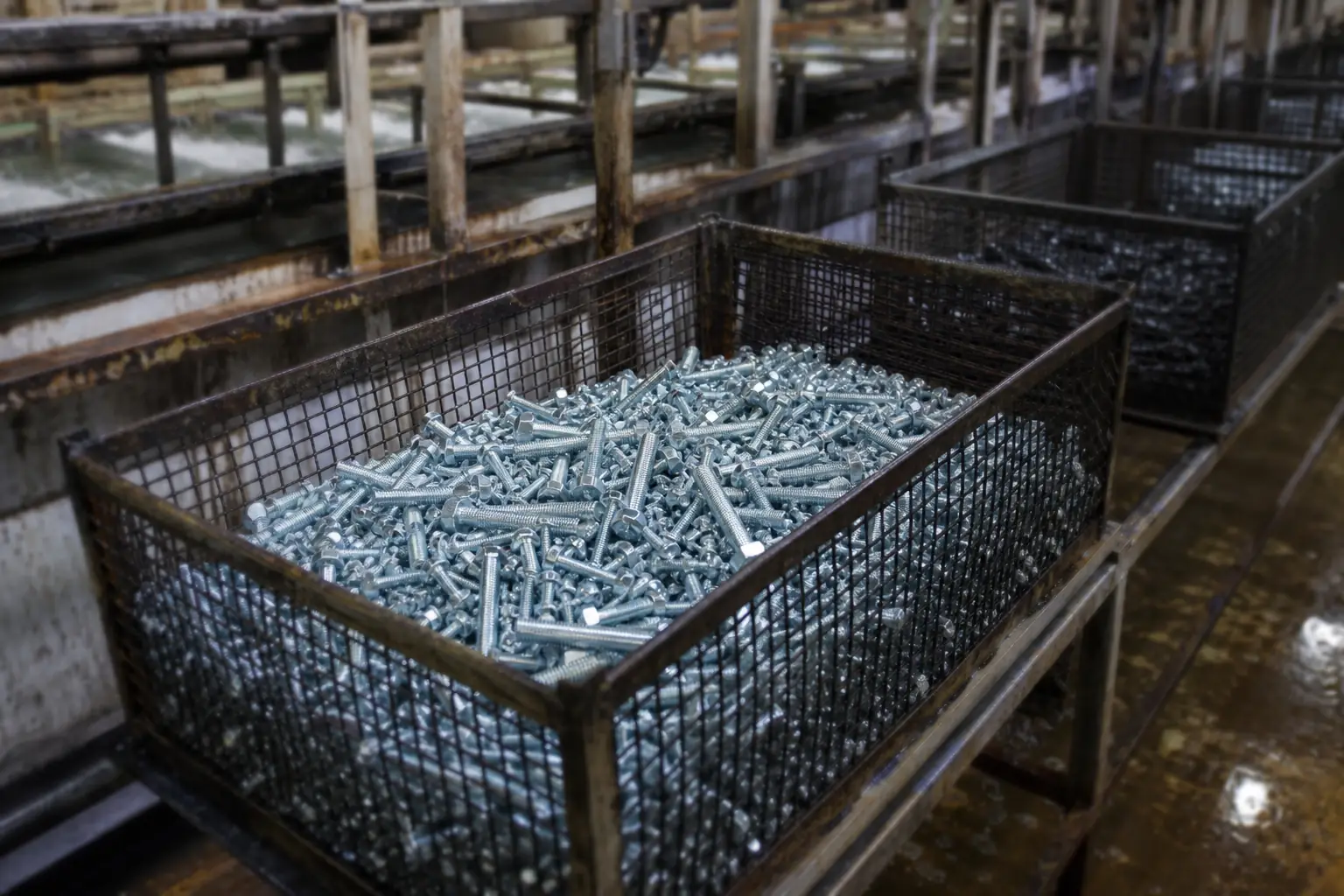
Property Class 12.9 Steel Micro Thin-Head Phillips Machine Screws are supplied to ISO 898-1 property class 12.9. Corrosion behaviour is requires plating or black-oxide protection, the material is magnetic, and the usable service range is commonly limited to approx. +300 °C; confirm against the coating and the load. In practice this grade is the highest common strength class, for high-load machine assembly.
- Grade
- ISO 898-1 property class 12.9
- Corrosion resistance
- Requires plating or black-oxide protection
- Magnetic response
- Magnetic
- Service temperature
- commonly limited to approx. +300 °C; confirm against the coating and the load
Property values are typical for the grade. Certified mechanical test data is available on request for production orders.
Property Class 12.9 Steel Micro Thin-Head Phillips Machine Screws are supplied to our own published dimensions — this is a trade-series article rather than one covered by a dimensional standard, so confirm the figures against the part you are replacing. The grade provides requires plating or black-oxide protection and is magnetic; the practical service range is commonly limited to approx. +300 °C; confirm against the coating and the load.
Why Choose Property Class 12.9 Steel for Micro Thin-Head Phillips Machine Screws
The highest common strength class, for high-load machine assembly. For micro thin-head phillips machine screws, this matters when requires plating or black-oxide protection is the primary requirement.
Mechanical & Physical Properties
| Grade designation | ISO 898-1 property class 12.9 |
|---|
| Magnetic response | Magnetic |
|---|
| Service temperature | commonly limited to approx. +300 °C; confirm against the coating and the load |
|---|
| Corrosion characteristic | Requires plating or black-oxide protection |
|---|
Galvanic & Galling Considerations
For micro thin-head phillips machine screws in steel, the dominant compatibility issue is hydrogen embrittlement at high property classes (10.9 and above) when electroplated. Plating must be followed by an appropriate baking treatment, or a non-electroplated finish (mechanical zinc, zinc flake) should be substituted.
Comparable Grades
For Micro Thin-Head Phillips Machine Screws, class 8.8 is the comparable strength step. Move up when the joint preload approaches the proof load of the current class; move down when the joint is over-specified. For corrosion-critical service, switch to stainless A2 or A4.
Sizes of Micro Thin-Head Phillips Machine Screws Available in Property Class 12.9 Steel
| Thread size | Head diameter (mm) | Head thickness (mm) | Typical length range (mm) | Drive | Material options |
|---|
| M1.4 | 2.5 | 0.2 | 2~10 | miniature Phillips | steel / stainless steel / brass |
| M1.6 | 2.8 | 0.2 | 2~10 | miniature Phillips | steel / stainless steel / brass |
| M1.7 | 3.0 | 0.2 | 2~10 | miniature Phillips | steel / stainless steel / brass |
| M2.0 | 3.5 | 0.2 | 2~10 | miniature Phillips | steel / stainless steel / brass |
Dimensions are independent of the material: every size above is available in Property Class 12.9 Steel.
Custom manufacturing · Made to drawing
Need this screw in a grade that is not listed?
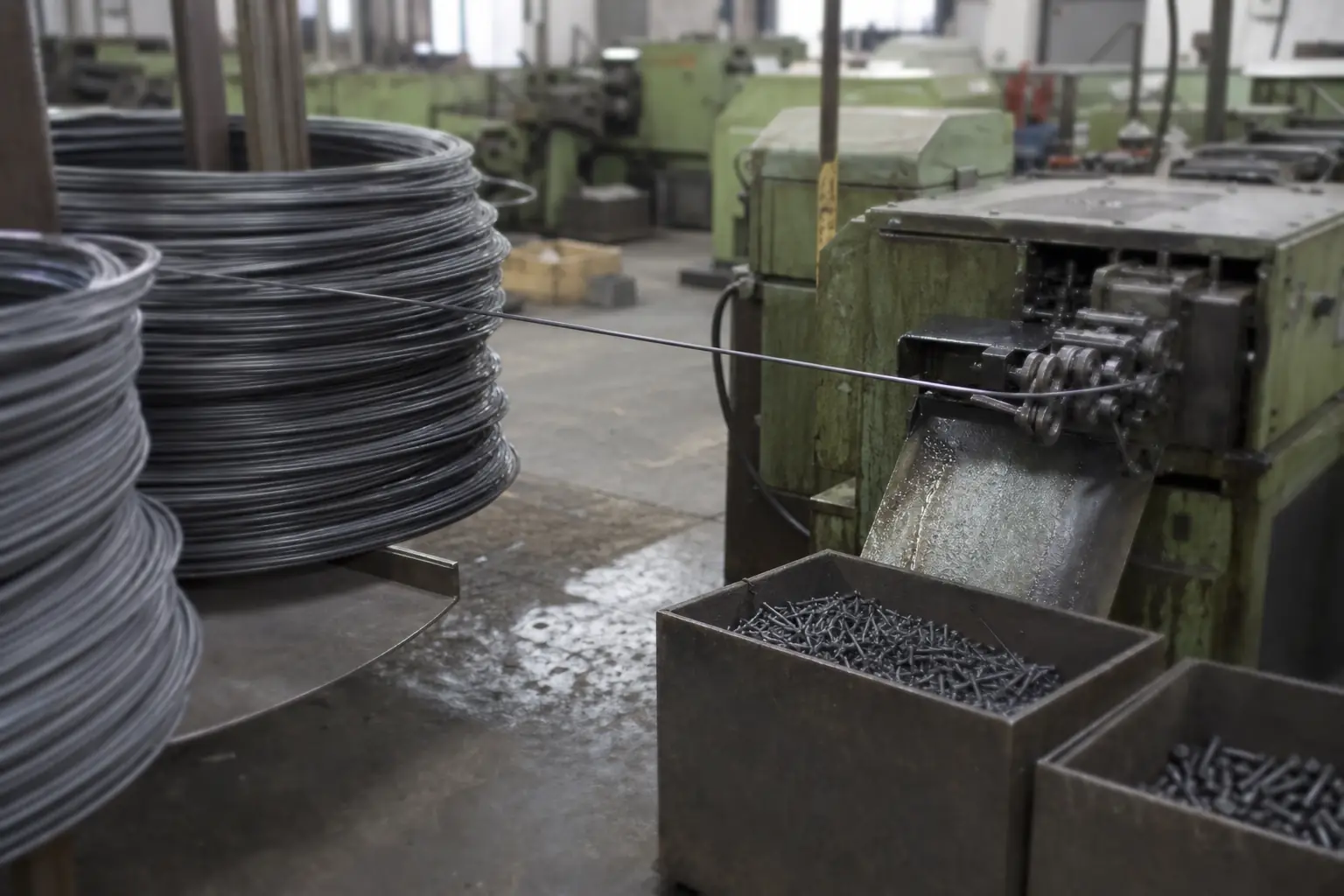
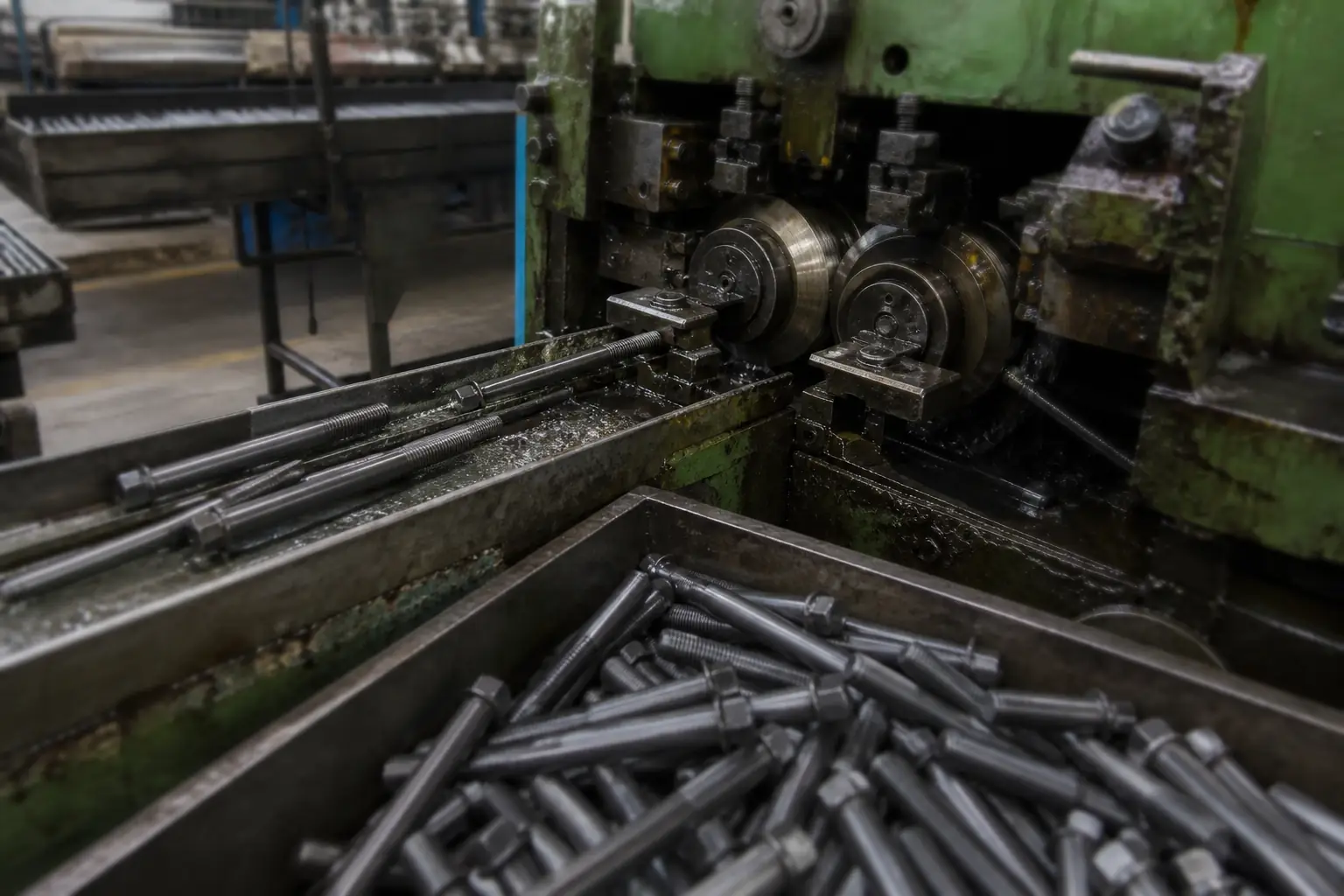
Grade 12 9 Steel is one of the grades the catalog describes. Head form and drive can be specified to the assembly rather than to a standard: a larger bearing face, a security drive, or a socket sized for the tool already on the bench. Made by cold heading or warm forging.
Minimum order from 2,000 pieces; samples within 7 days of drawing approval.
Custom screw manufacturingSend a drawing
Applications & Industries
The sectors that buy Micro Thin-Head Phillips Machine Screws, and the duty each one buys them for. Stocked from M1.4 to M2.0.
Industries that specify Micro Thin-Head Phillips Machine Screws
-
Sensors and optics
Low-profile Phillips hardware fits around lenses and adjustment mechanisms.
-
Compact mechanisms
Small heads secure covers where counterboring is not available.
-
Precision service
Short micro screws replace damaged hardware without adding head height.
-
Thin electronics
The 0.2 mm head thickness leaves clearance above miniature shields.
-
Automotive & transport
Chassis, driveline and body fixings that see vibration and are assembled to a controlled preload.
-
Steel fabrication
Bolted connections in frames, enclosures, walkways and weldments, on the bench and on site.
Typical applications
- checking the 0.2 mm head thickness before assembly
- selecting the head diameter for the available land
- using steel, stainless or brass for the electrical and corrosion requirement
- holding a thin cover with almost no head projection
- bolting brackets, motors and gearboxes to a frame
- assemblies that are dismantled for service and re-torqued
Service conditions to specify against
- Marine and coastal
- Available in A4 (316) stainless for chloride exposure — coastal structures, pool halls, water treatment and deck hardware, where A2 will eventually pit.
- High load
- Supplied in ISO 898-1 property classes, so the joint can be designed to a stated proof load and tightened to a calculated torque rather than by feel.
- Torque and preload
- The joint is designed around bolt tension, so lubrication, coating and the friction coefficient all change the torque figure — state them together.
Where to use something else
- Do not use a thin-head screw where the joint needs a conventional bearing area or higher installation torque.
- Do not use a machine thread into unthreaded sheet or timber; use a tapping screw, rivet nut or insert made for that parent material.
Full application guide: where Micro Thin-Head Phillips Machine Screws are used, how to specify them, and the cases they are wrong for