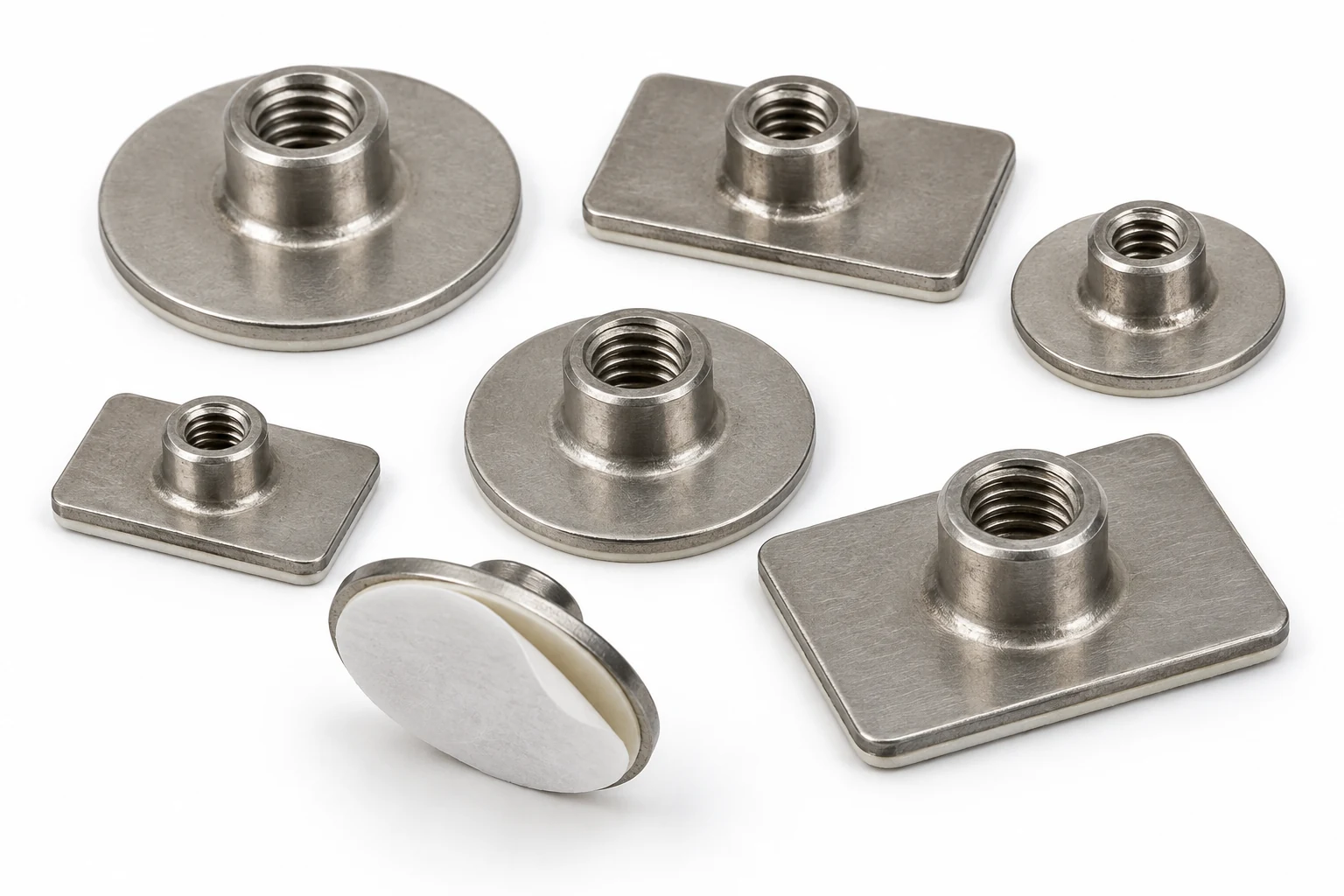
Property Class 8.8 Steel Adhesive-Mount Nuts are supplied to ISO 898-1 property class 8.8. Corrosion behaviour is requires plating (zinc) for corrosion protection, the material is magnetic, and the usable service range is commonly limited to approx. +300 °C; confirm against the coating and the load. In practice this grade is the workhorse medium-carbon alloy class for structural joints.
- Grade
- ISO 898-1 property class 8.8
- Corrosion resistance
- Requires plating (zinc) for corrosion protection
- Magnetic response
- Magnetic
- Service temperature
- commonly limited to approx. +300 °C; confirm against the coating and the load
Property values are typical for the grade. Certified mechanical test data is available on request for production orders.
Material page for adhesive-mount nuts in Property Class 8.8 Steel (ISO 898-1 property class 8.8). The sizes below are the ones we supply; there is no published dimensional standard for this article, so the table rather than a standard number is what to quote. Corrosion behaviour is requires plating (zinc) for corrosion protection and the service range is commonly limited to approx. +300 °C; confirm against the coating and the load.
Why Choose Property Class 8.8 Steel for Adhesive-Mount Nuts
The workhorse medium-carbon alloy class for structural joints. For adhesive-mount nuts, this matters when requires plating (zinc) for corrosion protection is the primary requirement.
Mechanical & Physical Properties
| Grade designation | ISO 898-1 property class 8.8 |
|---|
| Magnetic response | Magnetic |
|---|
| Service temperature | commonly limited to approx. +300 °C; confirm against the coating and the load |
|---|
| Corrosion characteristic | Requires plating (zinc) for corrosion protection |
|---|
Corrosion Behavior in Service
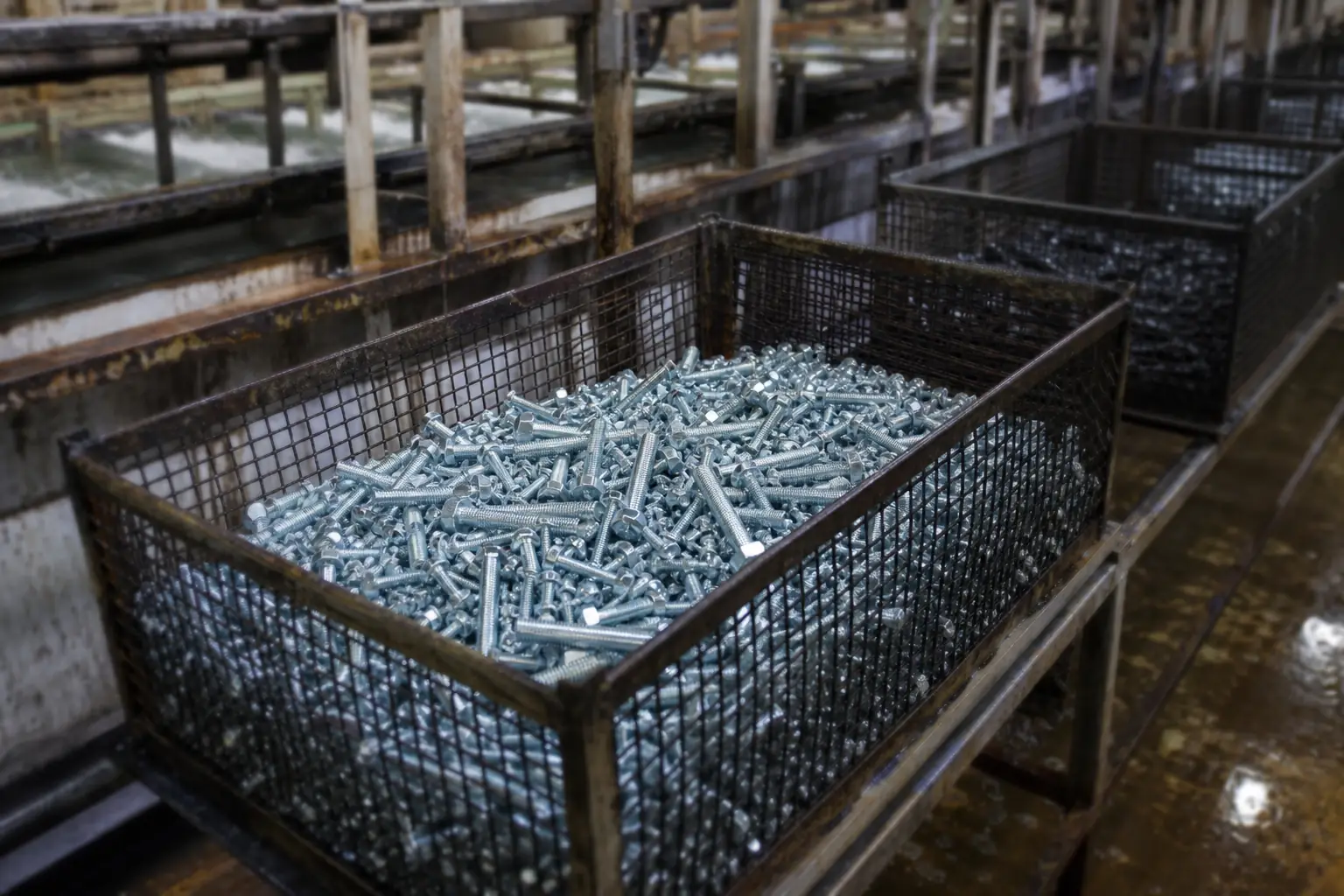
Carbon and alloy steel adhesive-mount nuts require a coating for corrosion protection. Zinc plating (with or without passivation) is the most common; hot-dip galvanizing is used for outdoor structural service; black-oxide is mainly a tarnish-prevention finish for tool-room use.
Comparable Grades
For Adhesive-Mount Nuts, class 10.9 or 12.9 is the comparable strength step. Move up when the joint preload approaches the proof load of the current class; move down when the joint is over-specified. For corrosion-critical service, switch to stainless A2 or A4.
Sizes of Adhesive-Mount Nuts Available in Property Class 8.8 Steel
| Thread options | Base form | Round base diameter (mm) | Rectangular base (mm) | Base thickness (mm) | Nut width examples (mm) | Material |
|---|
| 4-40 / 6-32 / 1/4-20 / 5/16-18 / 3/8-16 | round | 23 or 38 | | 1.2 | 8.8 / 9.9 / 10.8 / 13.8 / 16.8 | 316 stainless steel |
| M4 / M5 / M6 / M8 / M10 / M12 | rectangular | | 24×11.5 or 38×15 | 1.2 | 8.8 / 9.9 / 10.8 / 13.8 / 16.8 | 316 stainless steel |
Dimensions are independent of the material: every size above is available in Property Class 8.8 Steel.
Custom manufacturing · Made to drawing
Need this nut in a grade that is not listed?
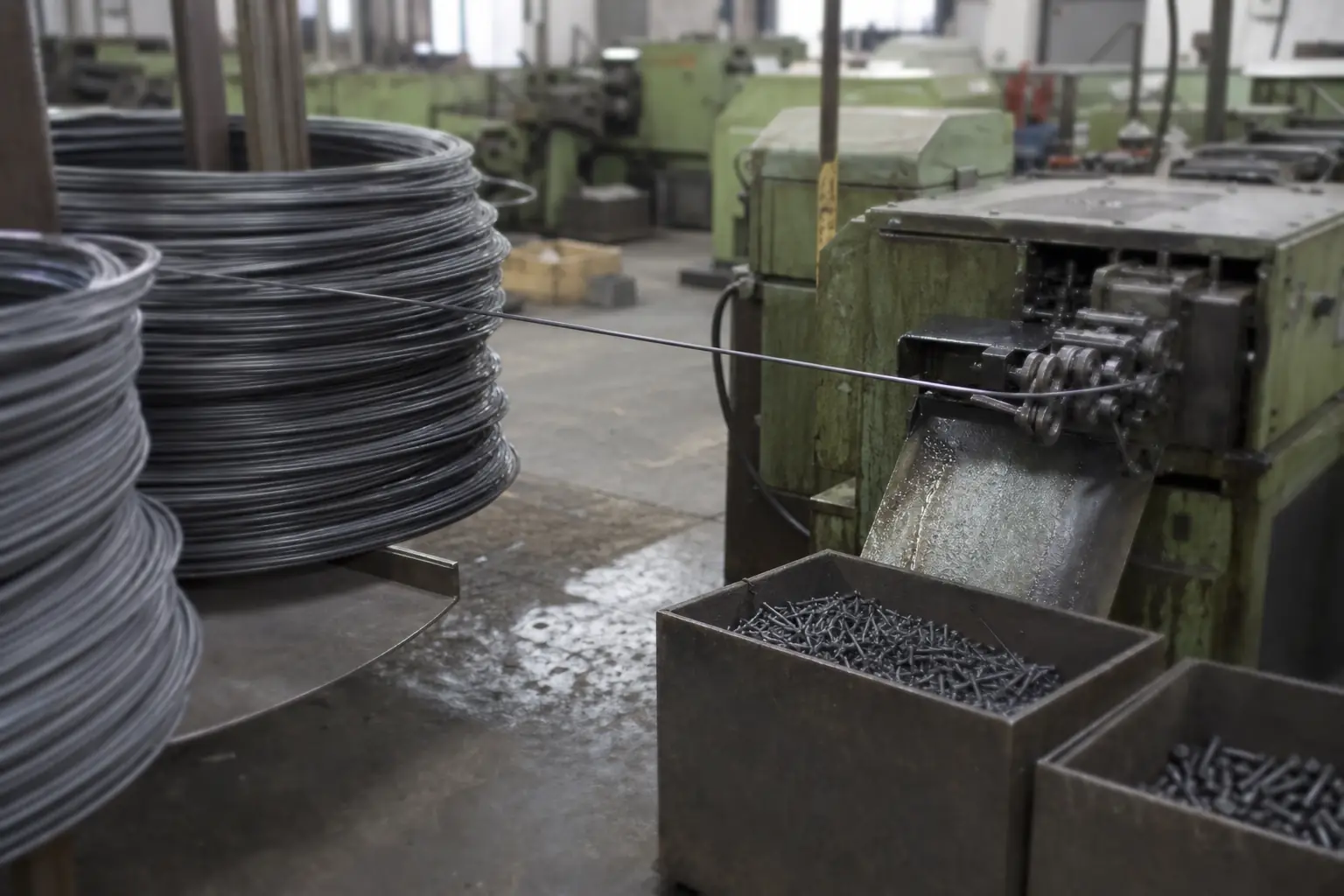
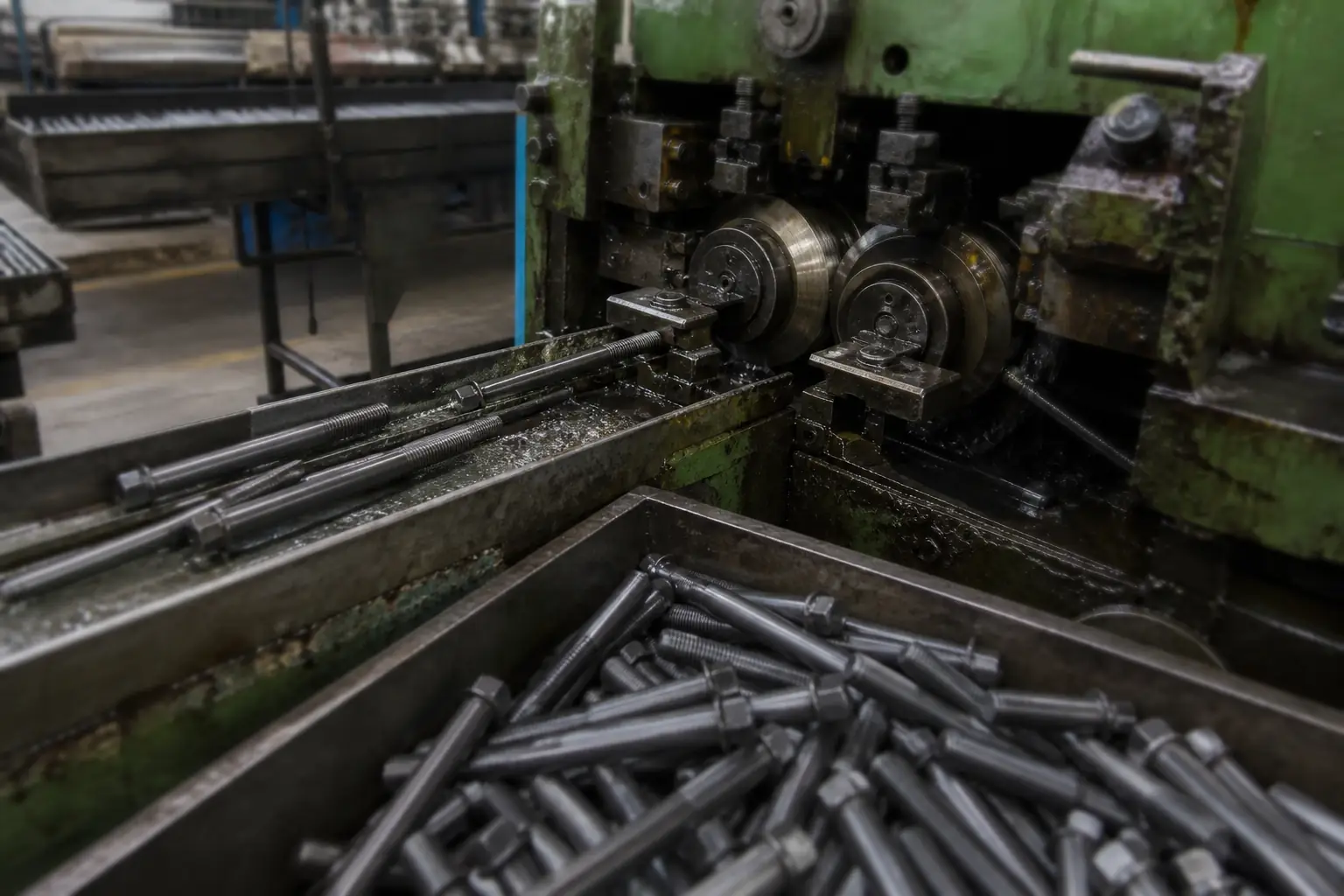
Grade 8 8 Steel is one of the grades the catalog describes. Thread size is the obvious variable and rarely the interesting one — height for clearance, across-flats for the tool already in the cell, and the locking feature for the vibration actually present. Made by cold heading or tapping.
Minimum order from 2,000 pieces; samples within 7 days of drawing approval.
Custom nut manufacturingSend a drawing
Applications & Industries
Where Adhesive-Mount Nuts are used, and what decides the specification in each case. Stocked from 4-40 / 6-32 / 1/4-20 / 5/16-18 / 3/8-16 to M4 / M5 / M6 / M8 / M10 / M12 (screw size).
Industries that specify Adhesive-Mount Nuts
-
Vehicle bodywork
Adhesive-backed nuts add mounting threads where drilling the finished panel is undesirable.
-
Signs and displays
Low-profile stainless bases bond behind a visible face.
-
Electrical enclosures
Threaded pads mount brackets without access behind the panel.
-
Retrofit fabrication
Round or rectangular bases fit different available bond areas.
-
Machine building & OEM
The clamping counter-face on studs and bolts throughout an assembly.
-
Steel fabrication
Bolted structural and frame connections.
Typical applications
- bonding a threaded nut to a finished surface
- choosing round or rectangular base geometry
- matching the base area to the adhesive and panel load
- selecting inch or metric thread options
- locking an adjustment so it cannot drift
- joints re-torqued at a service interval
Service conditions to specify against
- Marine and coastal
- Available in A4 (316) stainless for chloride exposure — coastal structures, pool halls, water treatment and deck hardware, where A2 will eventually pit.
- High load
- Supplied in ISO 898-1 property classes, so the joint can be designed to a stated proof load and tightened to a calculated torque rather than by feel.
- Match the class
- A nut below the bolt property class strips before the bolt reaches its own limit — pair class 8 nuts with 8.8 bolts, class 10 with 10.9.
Where to use something else
- Do not treat the adhesive bond as a substitute for a structural through-fastener without a tested load and surface-preparation method.
Full application guide: where Adhesive-Mount Nuts are used, how to specify them, and the cases they are wrong for