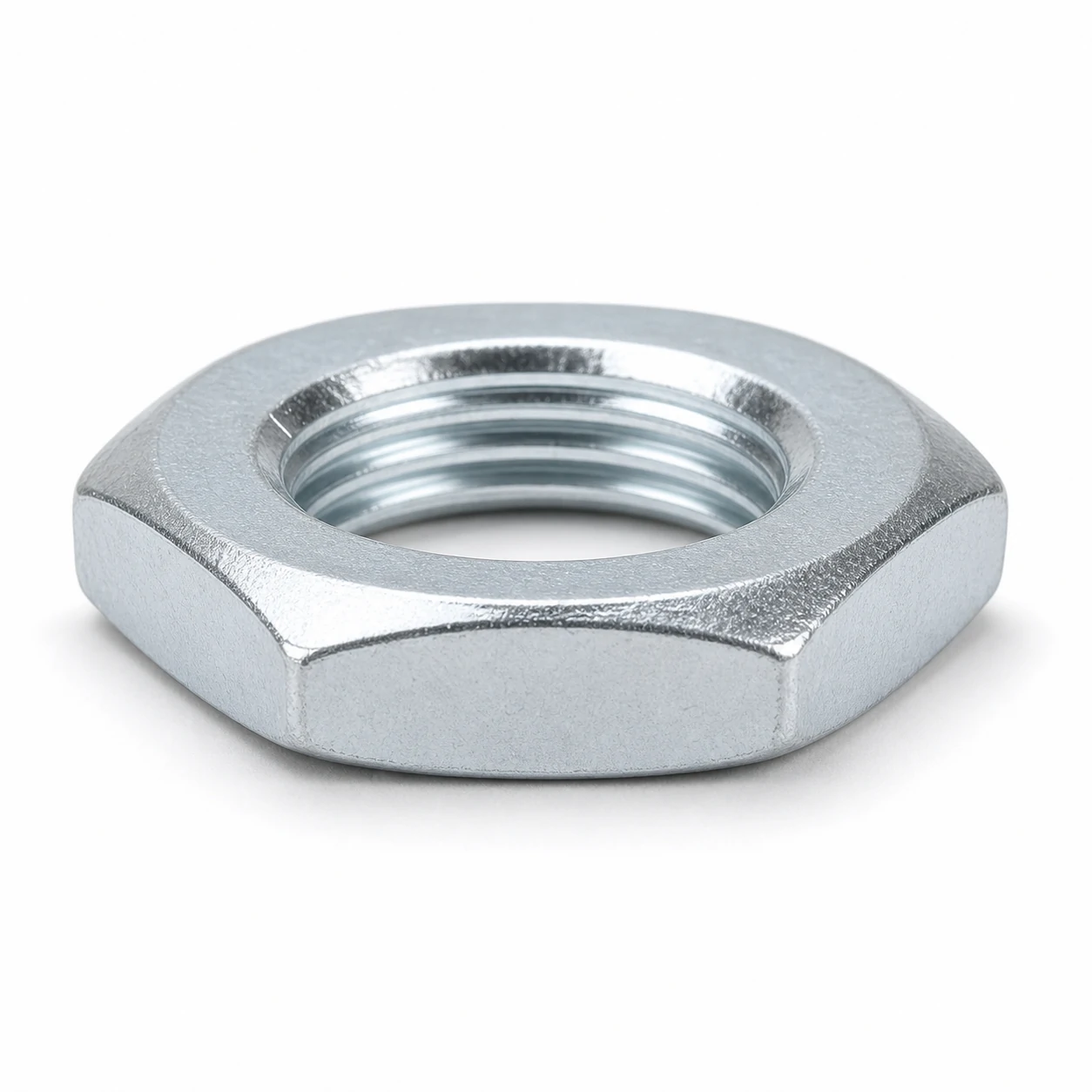
The M10 size of Thin Hex Nut is dimensioned by GB/T 6170 / ISO 4032. The table below gives the dimensional row from the standard, followed by the drive and the installation notes for this type.
Values are taken from the governing standard rather than from a general machine-thread table, because this type is not selected on one.
M10 Dimensional Row (GB/T 6170 / ISO 4032)
| Size | Pitch (mm) | Width across flats s (mm) | Width across corners e (mm) | Nut height m (mm) | Reference standard |
|---|---|---|---|---|---|
| M10 | 1.5 | 16.0 | 17.77 | 5.0 | ISO 4035 / GB/T 6172 |
Spanner & Drive for M10 Thin Hex Nut — GB/T 6170 / ISO 4032 (Series 058)
M10 Thin Hex Nut — GB/T 6170 / ISO 4032 (Series 058) have a width across flats of 16.0 mm — fit a 16.0 mm open-ended spanner or socket. A 6-point socket grips all six flats of the 16.0 mm hex and is what to reach for once a fastener has been on and off a few times; a 12-point ring spanner starts rounding a worn head. For repeatable preload, torque rather than feel.
Tightening Torque for M10
| Class 8.8 (dry, ~µ 0.125) | ≈ 48 Nm |
|---|---|
| Class 10.9 (dry, ~µ 0.125) | ≈ 71 Nm |
| Class 12.9 (dry, ~µ 0.125) | ≈ 83 Nm |
Indicative dry-joint values. Lubrication can lower the required torque by 15–25%. Always confirm against the joint design, especially when going up a strength class.
Proof Load & Strength for M10
Nuts are graded to ISO 898-2 by the proof load the nut itself will hold (classes 04, 05, 5, 6, 8, 10 and 12), not by the 8.8 / 10.9 / 12.9 scale used for bolts. A class-8 nut is the correct mate for a class-8.8 bolt, and the joint is designed on the bolt, so no bolt-tension figure is quoted here.
Installation Tips for M10 Thin Hex Nut — GB/T 6170 / ISO 4032 (Series 058)
- Use a 6-point socket where access allows — 12-point sockets are more prone to rounding the corners on smaller sizes.
- On flanged or serrated variants, do NOT add a separate flat washer — the flange already spreads the load and the washer can defeat the locking serrations.
When to Step Up or Down from M10
When the joint preload approaches the proof load of M10 class 8.8, step up to M12 class 8.8 (or move to M10 class 10.9). When the joint is over-specified, M8 often saves weight and cost without losing the safety margin.
Custom manufacturing · Made to drawing
Need thin hex nut in a size this table does not list?
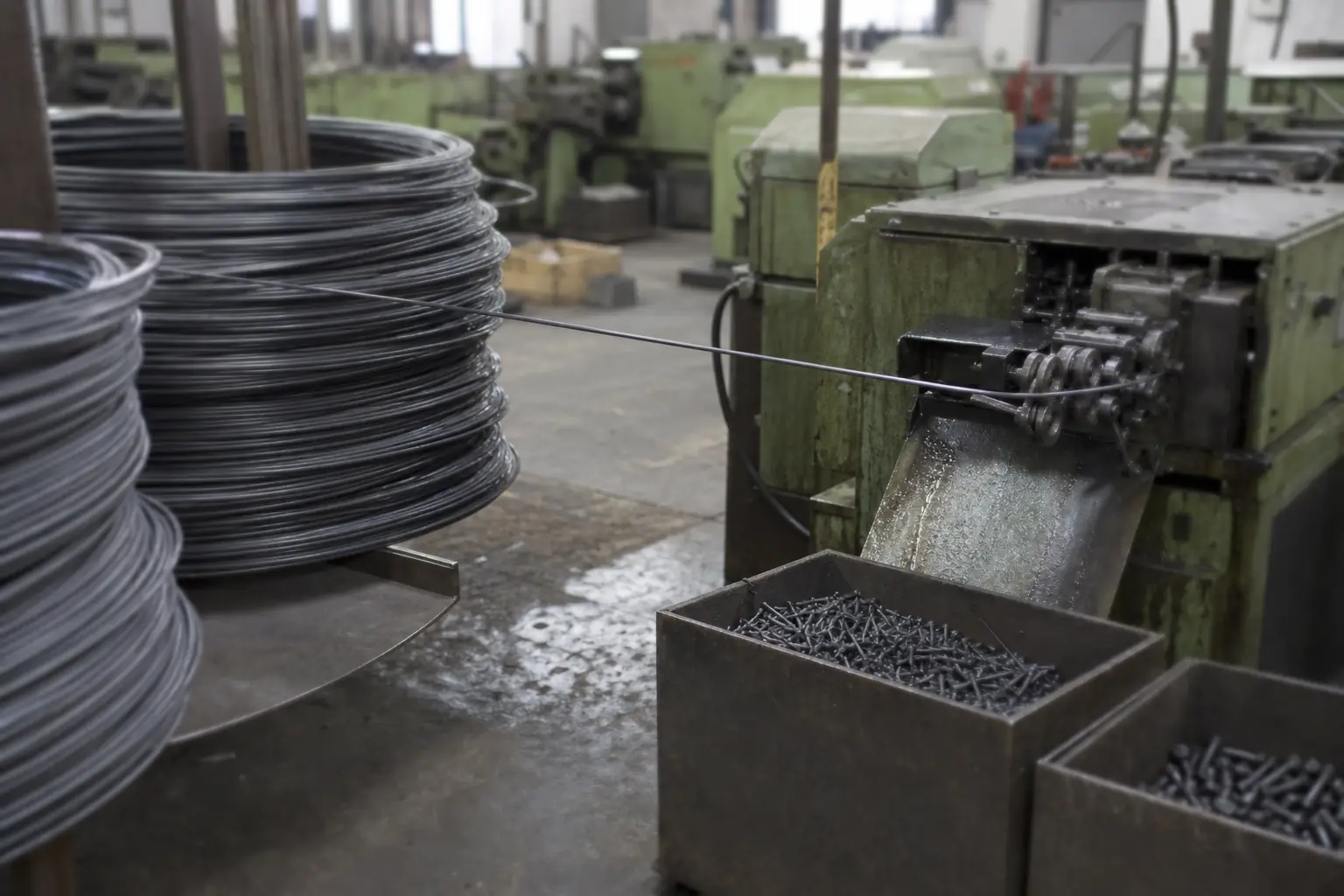
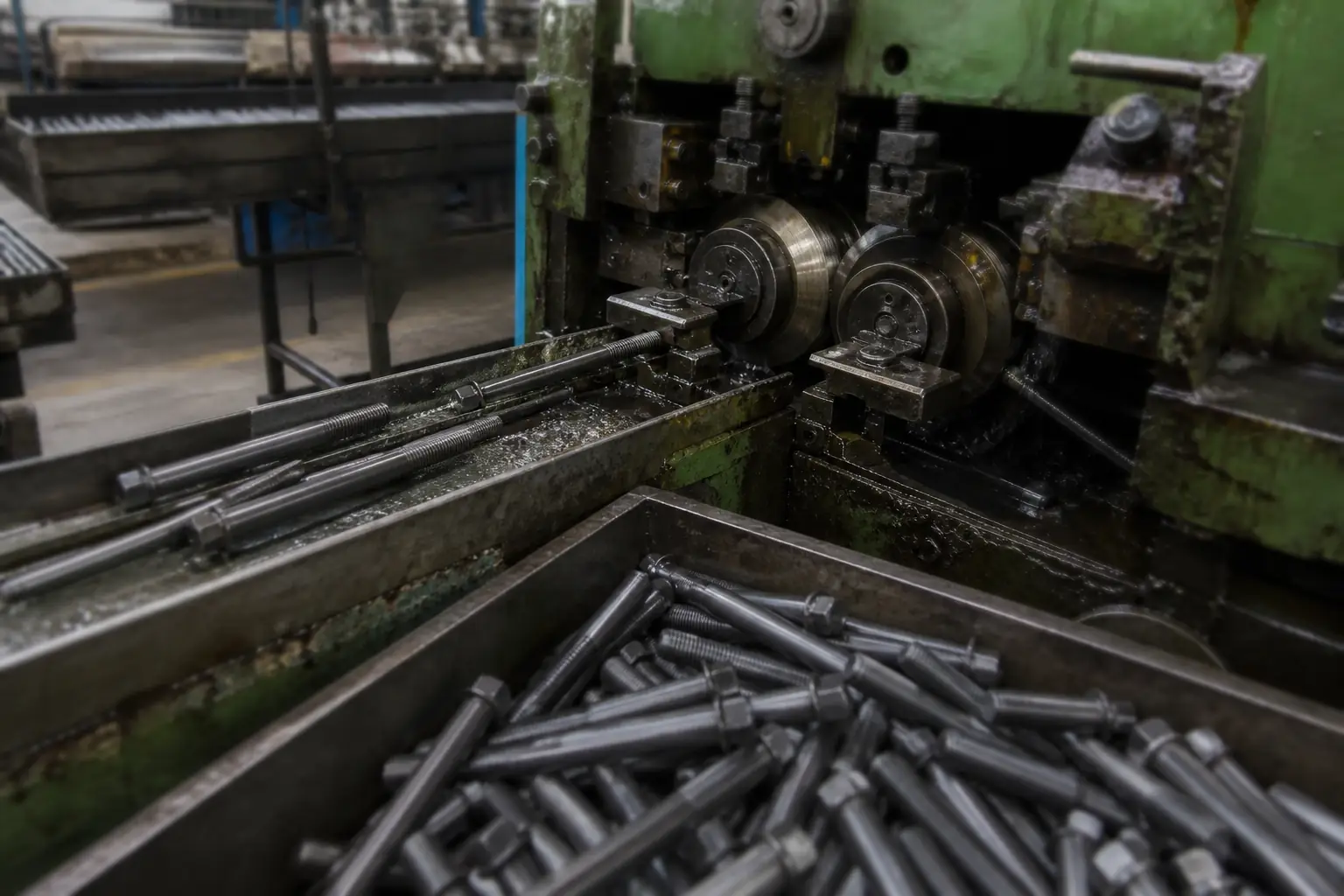
This page covers M10 thin hex nut. Locking method is specifiable independently of the rest: nylon insert, all-metal deformed thread, serrated flange, or none. Made by cold heading or tapping.
Minimum order from 2,000 pieces; samples within 7 days of drawing approval.