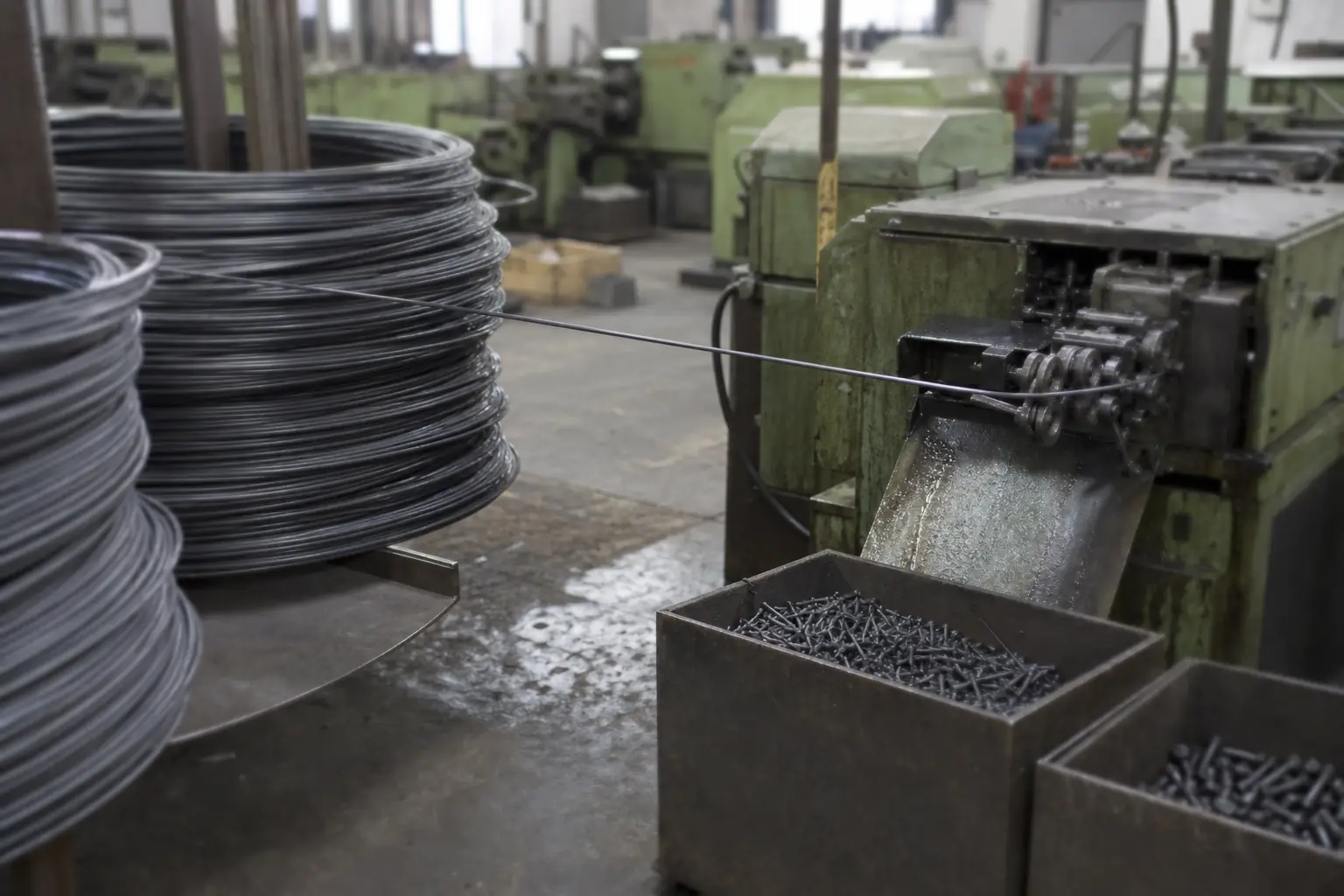
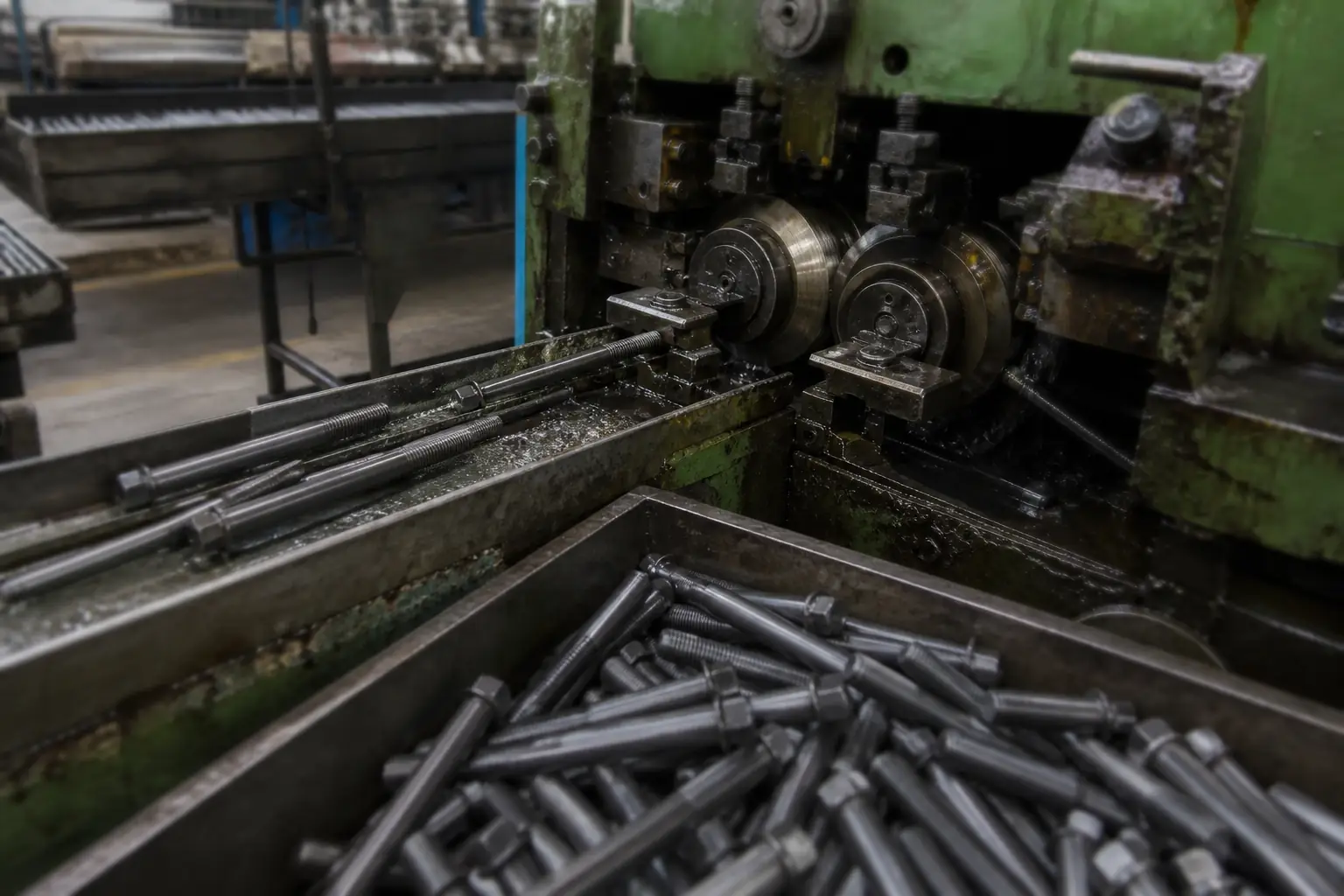
M8 Phillips Countersunk Self-Tapping Screw are manufactured to GB/T 846 / ISO 7050. This page lists the controlling dimensions for the M8 size together with the drive and the installation notes for this type.
M8 Dimensional Row (GB/T 846 / ISO 7050)
| Size | Pitch (mm) | Length L (mm) | Head diameter dk (mm) | Head height k (mm) | Cross recess | Countersink angle (deg) | Reference standard |
|---|---|---|---|---|---|---|---|
| M8 | 1.25 | 50 | 14.5 | 4.0 | PH3 | 90 | ISO 7046 / GB/T 819 |
Spanner & Drive for M8 Phillips Countersunk Self-Tapping Screw — GB/T 846 / ISO 7050 (Series 028)
The hex socket for M8 Phillips Countersunk Self-Tapping Screw — GB/T 846 / ISO 7050 (Series 028) is shown in the spec table — use the matching Allen / hex key (an ISO 2936 hex key set covers the full range). For production work use a torque-controlled driver so the seating force is consistent from part to part.
Common Applications for M8 Phillips Countersunk Self-Tapping Screw — GB/T 846 / ISO 7050 (Series 028)
M8 Phillips Countersunk Self-Tapping Screw — GB/T 846 / ISO 7050 (Series 028) are commonly specified for machine assembly, general engineering, plant maintenance and OEM equipment.
Installation Tips for M8 Phillips Countersunk Self-Tapping Screw — GB/T 846 / ISO 7050 (Series 028)
- Use a quality Allen key fully seated in the socket — partial engagement is the most common cause of stripped sockets at this size.
- For countersunk and button-head variants, chamfer the through-hole to seat the head flush without preloading the head/shank fillet.
Mating Parts for M8
For M8, pair with a M8 hex nut (ISO 4032 / DIN 934) and, where used, a M8 flat washer (ISO 7089 / DIN 125A) under the head and under the nut.