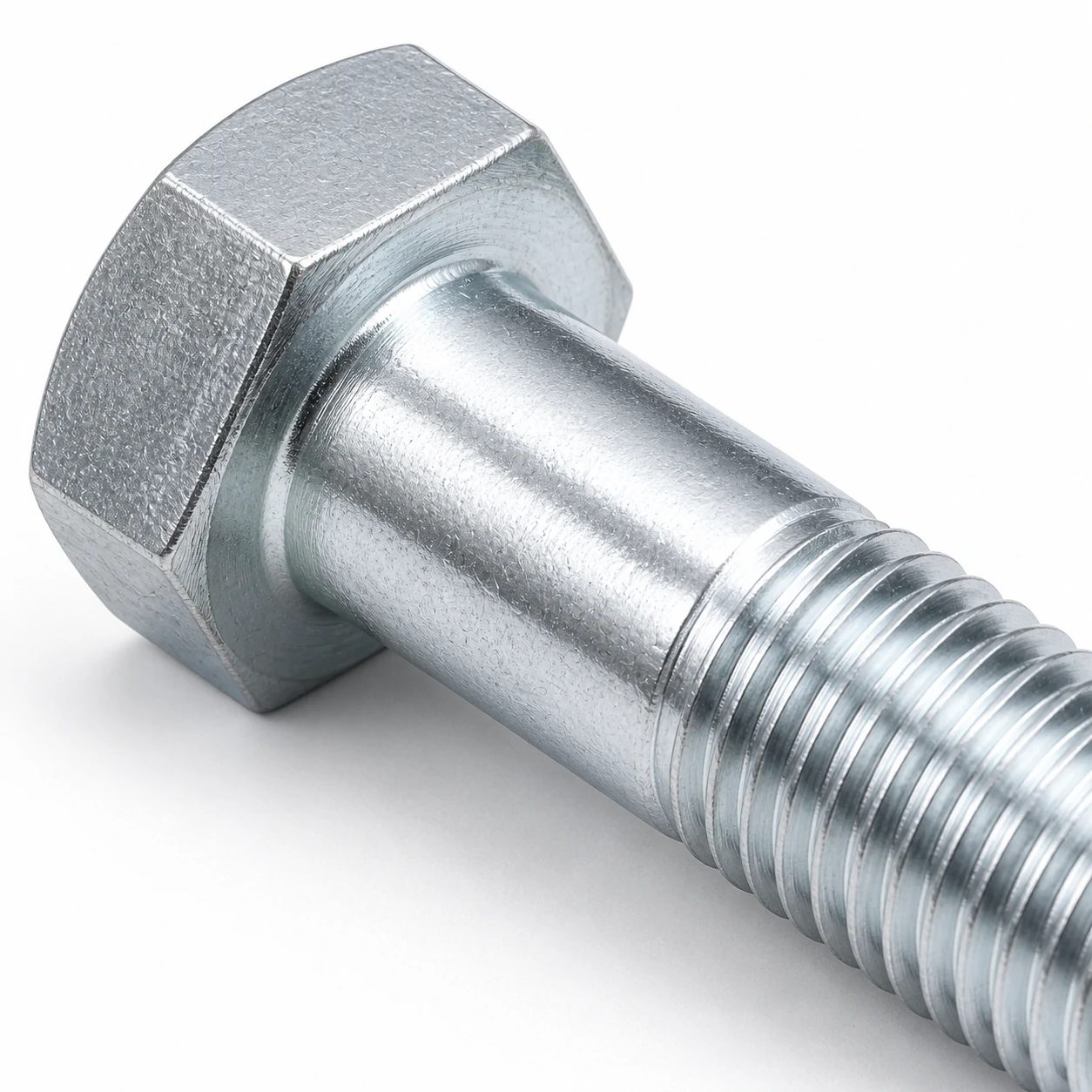
M8 is one of the standard coarse-thread sizes for hex bolts under ISO 4014 / ISO 4017. The sections below reproduce the dimensional row, list the matching tools and hole sizes, and summarize where this size is normally specified.
M8 Dimensional Row (ISO 4014 / ISO 4017)
| Size | Pitch coarse (mm) | Width across flats s (mm) | Width across corners e min (mm) | Head height k nom (mm) | Nominal diameter d (mm) | Reference standard | Notes |
|---|---|---|---|---|---|---|---|
| M8 | 1.25 | 13.0 | 14.38 | 5.3 | 8.0 | ISO 4014/4017 | Fully threaded |
Spanner & Drive for M8 Hex Bolts
M8 Hex Bolts have a width across flats of 13.0 mm — fit a 13.0 mm open-ended spanner or socket. A 6-point socket grips all six flats of the 13.0 mm hex and is what to reach for once a fastener has been on and off a few times; a 12-point ring spanner starts rounding a worn head. For repeatable preload, torque rather than feel.
Hole Sizes for M8
| Coarse-thread pitch (ISO 724) | 1.25 mm |
|---|---|
| Through-hole / clearance (ISO 273 medium) | 9 mm |
| Tapping drill, coarse thread | 6.75 mm |
Tightening Torque for M8
| Class 8.8 (dry, ~µ 0.125) | ≈ 24 Nm |
|---|---|
| Class 10.9 (dry, ~µ 0.125) | ≈ 36 Nm |
| Class 12.9 (dry, ~µ 0.125) | ≈ 42 Nm |
Indicative dry-joint values. Lubrication can lower the required torque by 15–25%. Always confirm against the joint design, especially when going up a strength class.
Proof Load & Strength for M8
| Tensile stress area As (ISO 724) | 36.6 mm² |
|---|---|
| Proof load, class 8.8 | 21 kN |
| Proof load, class 10.9 | 30 kN |
| Proof load, class 12.9 | 36 kN |
| Min. ultimate tensile load, class 8.8 | 29 kN |
Proof load = tensile stress area × the proof stress Sp of the class, per ISO 898-1 — Sp is a lower figure than the yield stress Rp0.2 and the two are not interchangeable. The stress area is computed from this size's own diameter and pitch, so a fine-pitch designation gives the fine-pitch figure. Design the joint so the working preload stays below the proof load of the class selected.
Installation Tips for M8 Hex Bolts
- Use a 6-point socket where access allows — 12-point sockets are more prone to rounding the corners on smaller sizes.
- On flanged or serrated variants, do NOT add a separate flat washer — the flange already spreads the load and the washer can defeat the locking serrations.
Mating Parts for M8
For M8, pair with a M8 hex nut (ISO 4032 / DIN 934) and, where used, a M8 flat washer (ISO 7089 / DIN 125A) under the head and under the nut.
Custom manufacturing · Made to drawing
Need hex bolts in a size this table does not list?
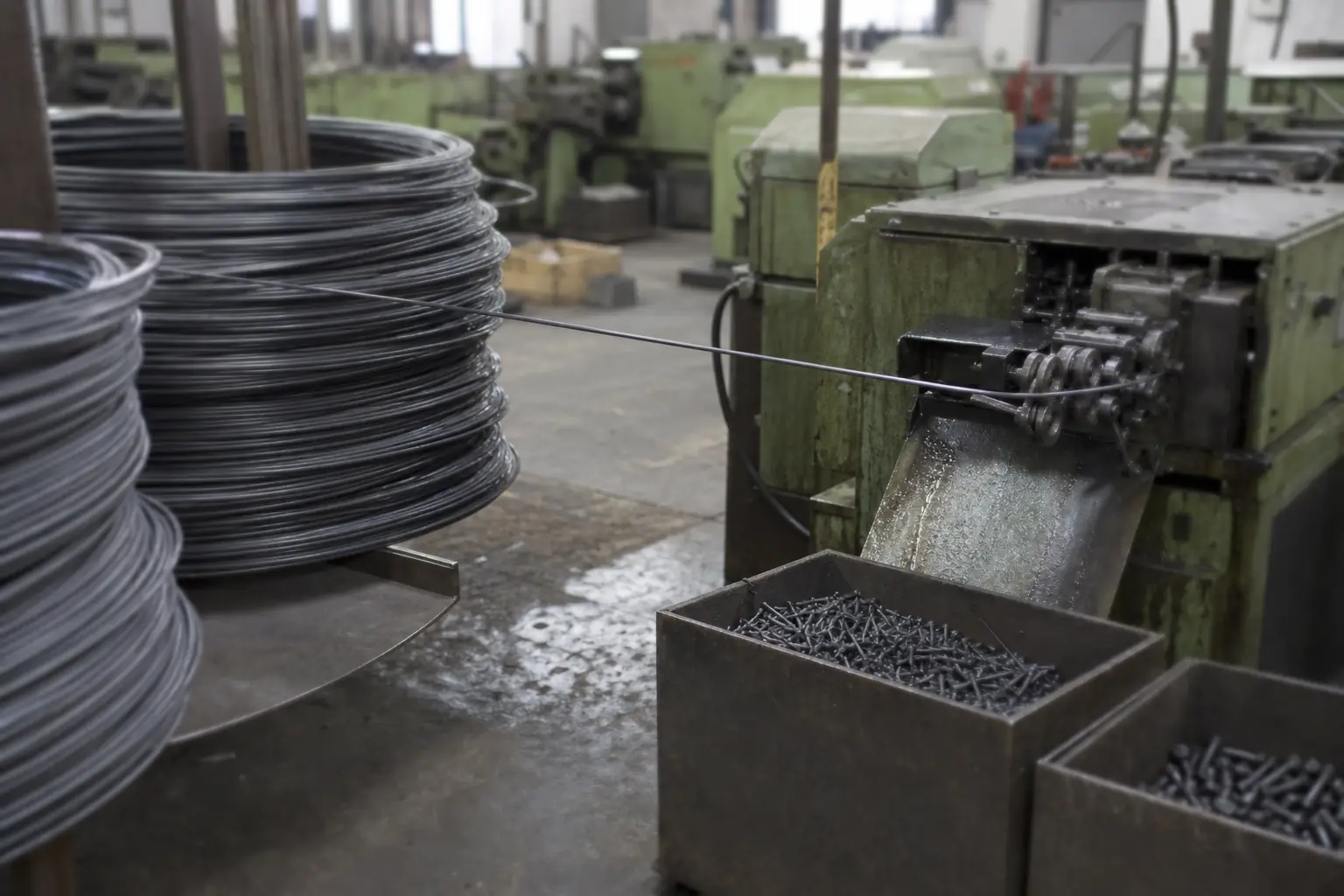
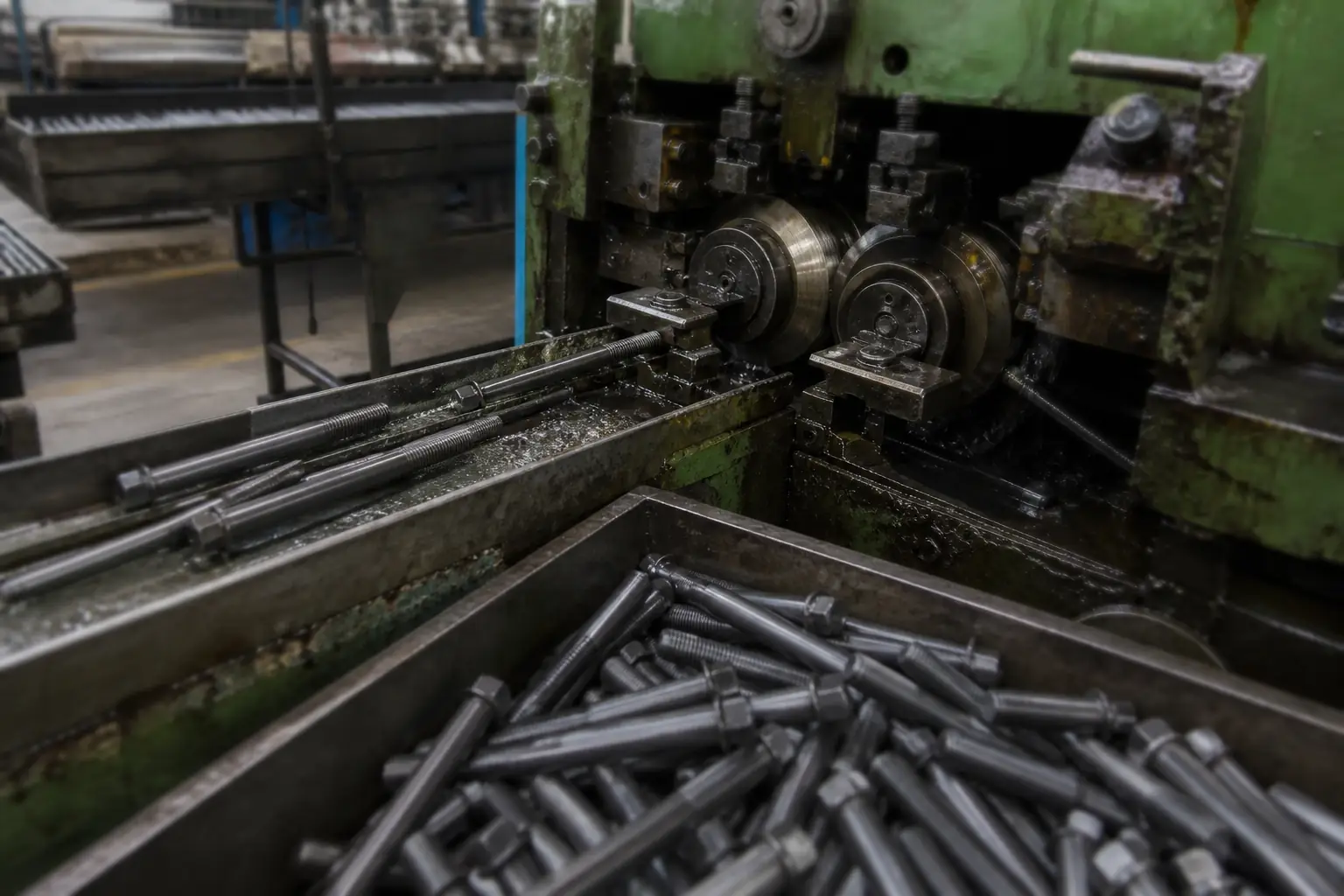
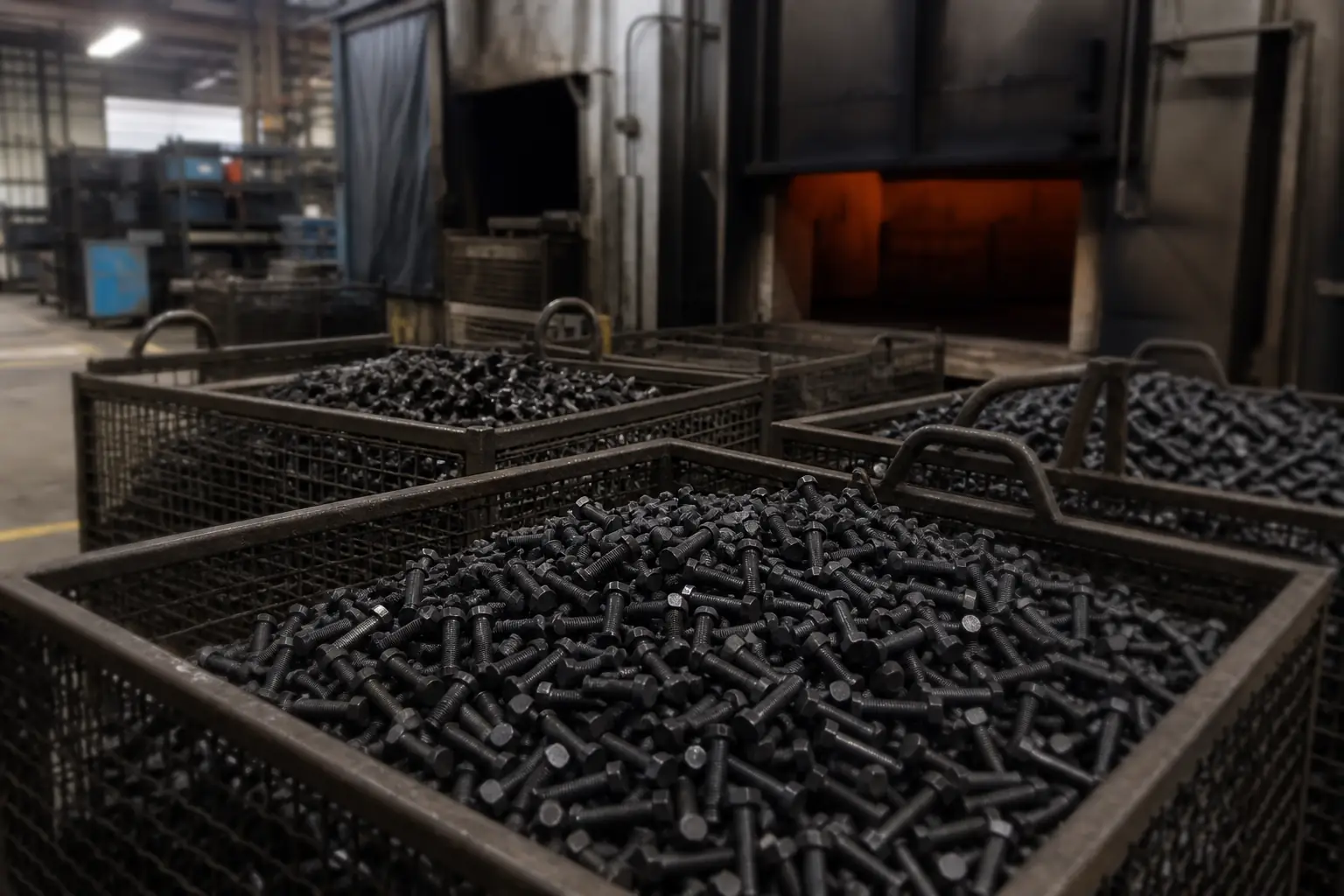
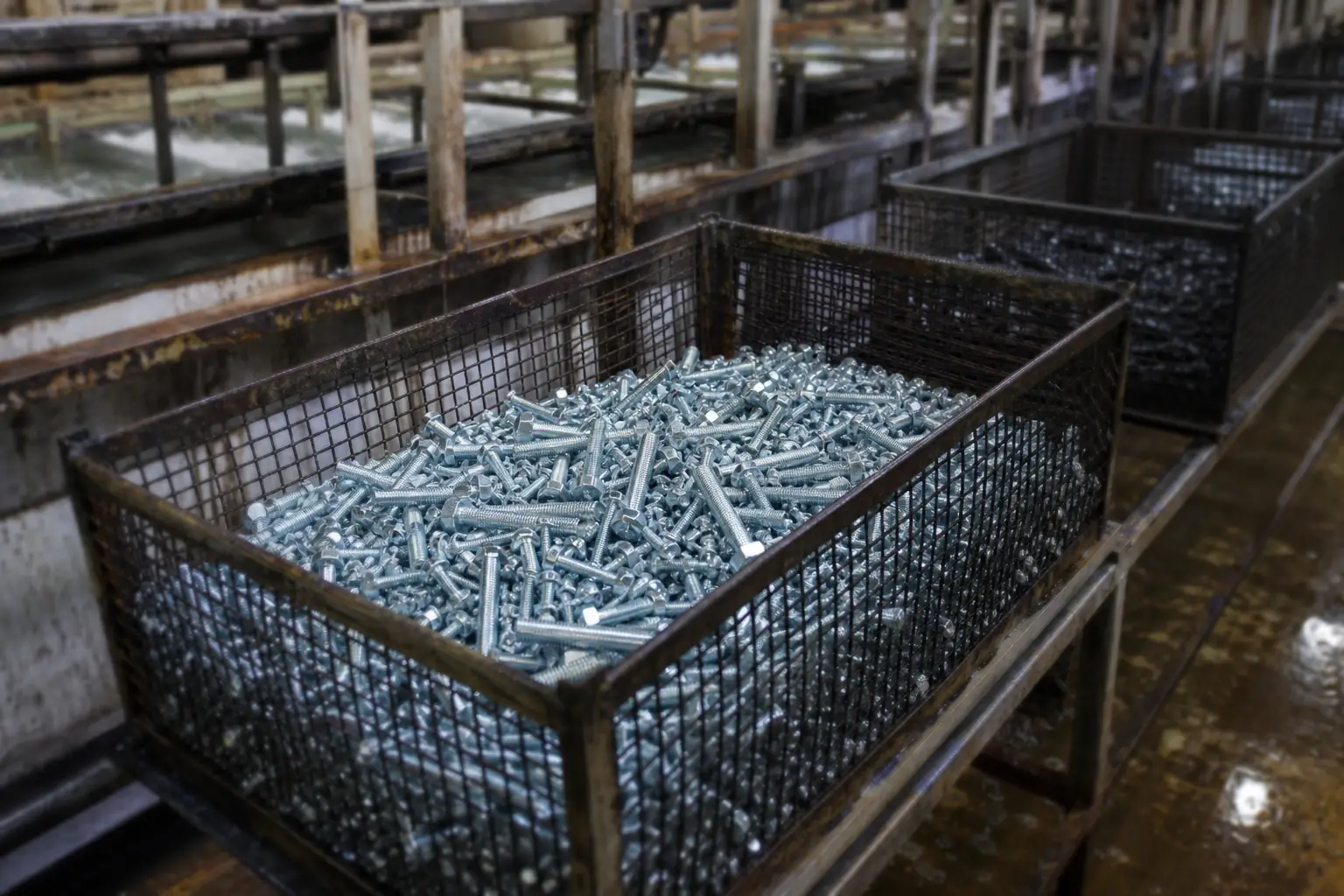
This page covers M8 hex bolts. Lengths and thread lengths outside the standard table are the commonest request, followed by a drive the standard does not offer and a head marked with your own part number. Made by cold heading or hot forging.
Minimum order from 2,000 pieces; samples within 7 days of drawing approval.