
Concrete screw fasteners streamline modern construction
Modern concrete screw fasteners are reshaping on-site anchoring by eliminating separate expansion anchors or adhesives. Their self-tapping thread design enables direct, single-step installation that cuts assembly time and simplifies compliance with European Technical Assessments.
Key Figures
This story is anchored to specific dates or periods such as 1992. Those reference points make it easier to track how the situation develops over time.
- Date / period: 1992 Design values are derived using the partial safety factors given in Eurocode 2 (EN 1992-4) and the relevant ETA document.
Construction crews across commercial and residential projects are reporting faster anchor installation since adopting modern concrete screw fasteners. The direct screwing approach removes the need for expansion anchors or chemical cartridges, allowing a single-step fixation that tightens with an impact driver immediately after hole preparation.
How concrete screws function
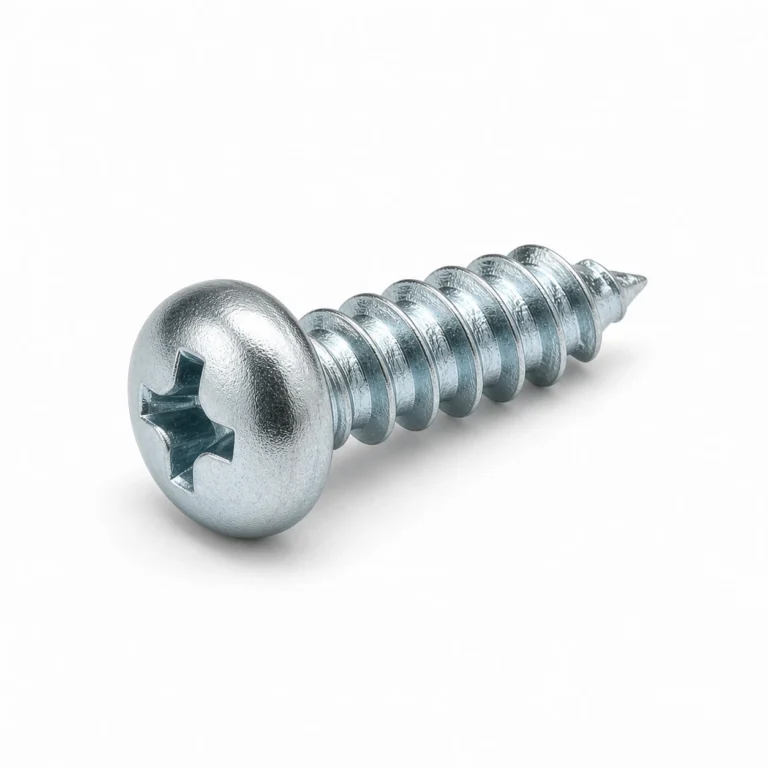
A concrete screw is a hardened steel fastener with a cutting thread geometry designed to tap its own mating thread directly into a predrilled hole. The lead threads feature alternating high and low profiles that condense the surrounding base material while simultaneously carving a groove for chip clearance. Once the thread engagement reaches the required depth, the screw shoulder or washer face seats against the fixture, producing a secure mechanical interlock.
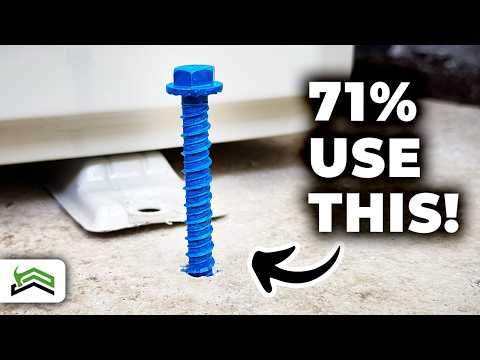
Depending on the application, concrete screws are available with hex washer heads, countersunk heads, pan heads, or flange heads. Drive types include internal hex, Torx, and Phillips recesses, with Torx generally preferred for higher torque transmission during installation.
Technical specifications and standards
Common concrete screw diameters span from 6 mm to 12 mm, with lengths ranging from 30 mm up to 200 mm. Thread form is typically a serrated or notched flute design, and the screws are manufactured from carbon steel or stainless steel (grades A2 and A4). Surface finishes include zinc electroplating, zinc flake coating, and hot-dip galvanising for enhanced corrosion resistance.
Products carrying a valid European Technical Assessment (ETA), such as those issued under the EOTA framework, are qualified for use in cracked and non-cracked concrete in accordance with EN 14592. ETA Option 1 approvals confirm the screw’s tensile and shear capacities for safety-critical applications including overhead fixings, seismic zones, and fire-rated assemblies.
Typical performance values
For an M10 concrete screw installed in C20/25 concrete, characteristic tensile resistance often exceeds 12 kN when the embedment depth reaches 55 mm or more. Shear resistance for the same screw commonly surpasses 15 kN. Design values are derived using the partial safety factors given in Eurocode 2 (EN 1992-4) and the relevant ETA document.
| Feature | Specification / benefit |
|---|---|
| Thread formation | Self-tapping with chip-clearing flutes; no secondary anchor needed |
| Diameter range | 6 mm – 12 mm |
| Length range | 30 mm – 200 mm |
| Material grades | Carbon steel; stainless steel A2/A4 |
| Corrosion protection | Zinc electroplating, zinc flake, hot-dip galvanising |
| Regulatory approval | ETA Option 1 per EOTA; qualified for cracked/non-cracked concrete |
| Design basis | EN 14592, Eurocode 2 (EN 1992‑4) |
| Typical tensile resistance (M10, embedment ≥55 mm) | >12 kN (characteristic) |
Operational advantages
Swapping traditional wedge anchors for concrete screws reduces installation time per anchor by approximately 60 %. There is no torque waiting period after tightening, no required curing time, and no concern about over-mixing or pot life. The installer drills to the prescribed diameter and depth, clears the hole with a blower, and drives the screw to the seating face. Immediate load application is permitted for many designs.
From a safety standpoint, the absence of adhesive cartridges eliminates chemical exposure risks and storage controls on site. Re-tightening and removability also simplify temporary works such as formwork bracing and shoring towers.
Market uptake
Leading suppliers including Hilti and Fischer have expanded their concrete screw ranges, offering specialised series for heavy-duty transmission, electrical enclosure mounting, and MEP supports. The market trend reflects a broader industry pivot towards mechanical-only, directly screwed anchors that streamline compliance with tightened productivity targets on time-sensitive projects.
Looking ahead, demand for concrete screws is expected to keep rising as building contractors seek faster, simpler, and regulation-compliant fastening methods that work reliably across a widening array of substrate materials.
Why This Matters
The shift towards concrete screws reflects a deeper industry drive for productivity and safety. By replacing multi-component anchors with a single fastener that can be installed in seconds and immediately loaded, projects reduce labour hours and exposure to chemical hazard. The ability to meet ETA Option 1 requirements using a purely mechanical system also expands their use in mission‑critical infrastructure and seismic‑retrofit work.
Sources
Source: Fastener + Fixing Magazine
FAQ
Is this fastener report confirmed?
It reflects what the cited reporting stated at the time, which can be preliminary. For anything consequential, comparing two or more independent reports is the most reliable way to confirm the details.
Who and where is involved in this fastener story?
The article identifies the main organisations, people and locations tied to the development. Those named entities are the anchors for following how the story evolves across later coverage.
Is Fastener + Fixing Magazine the only source for this fastener story?
Fastener + Fixing Magazine is the outlet attached to this item, but it should not be the only reference for an important development. Comparing it with other independent reports gives a fuller and more reliable picture.
What are the key figures in this fastener story?
The article cites figures such as 60 % and 1992. Numbers like these convey the scale and direction of what happened; for the exact amount and the context around it, the original report is the reference.
What does the reported change in this fastener story mean?
A percentage or rate of change shows direction and momentum, but its meaning depends on the baseline and period being measured. The original report explains what the figure is compared against.
When do the developments in this fastener story take effect?
The dates or periods mentioned here are the reference points for tracking how the situation unfolds. Timelines in early reporting can shift, so the named source is worth checking for updates.