
Evolving Fastener Standards Reshape Construction Practices
From advanced corrosion-resistant coatings to digital traceability, the fastener industry is undergoing changes that directly affect construction quality and compliance.
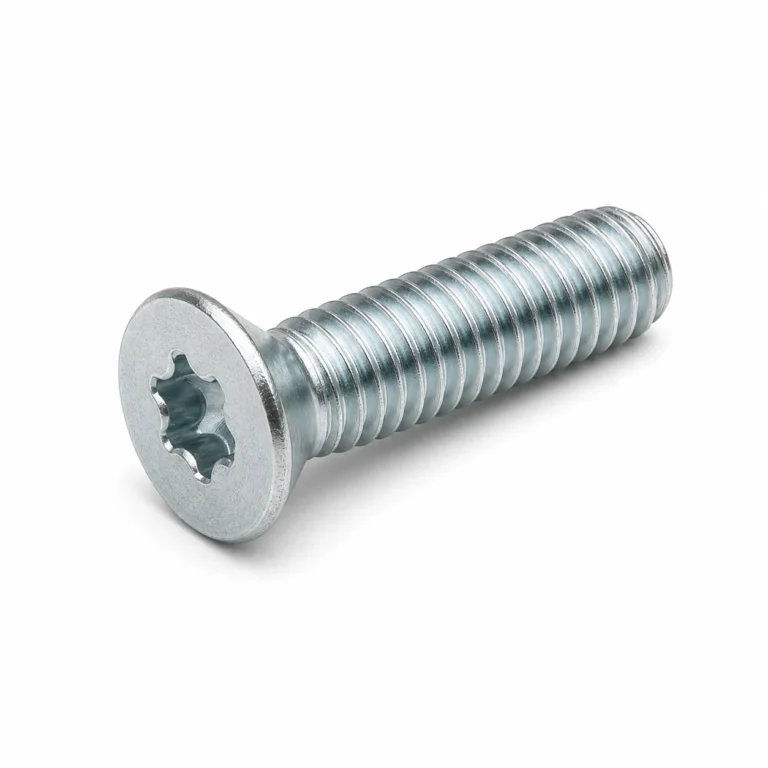
Supply chain disruptions and a push for longer-lasting structures are driving rapid change in the fastener industry, forcing builders to update their knowledge of materials, standards, and digital tools. From high-strength alloys to QR-coded certification, staying current is no longer optional—it directly affects project compliance and durability.
Material Advancements and Corrosion Protection
Corrosion remains one of the leading causes of structural failure, particularly in coastal and industrial environments. In response, manufacturers are expanding their use of zinc‑nickel alloy coatings, which offer superior salt‑spray resistance without the environmental drawbacks of traditional hexavalent chromium. Stainless steel grades such as 316 are also being spec’d more frequently for outdoor applications, while duplex stainless steels are gaining traction where both strength and corrosion resistance are critical.

Additionally, high‑strength low‑alloy (HSLA) steels allow for smaller, lighter fasteners that maintain load‑bearing capacity, reducing material costs and installation time. Builders must ensure that their procurement teams are specifying the correct grade and coating for each environment, as mismatches can lead to premature failures and costly callbacks.
Digital Integration and Traceability
Paper certificates and manual lot tracking are being replaced by digital solutions that embed traceability directly into the fastener supply chain. QR codes and RFID tags on packaging now link to full mill test reports, coating certifications, and torque specifications. Some distributors are even experimenting with blockchain‑based ledgers to provide an immutable record of custody from manufacturer to jobsite. This digital thread not only aids in quality assurance but also simplifies recalls if a defective batch is identified.
For construction firms, this means faster verification during inspections and easier documentation for building information modeling (BIM) systems. However, the transition requires upfront investment in compatible scanning hardware and staff training, creating a digital divide between large contractors and smaller operators.
Standards Evolution and Compliance
International standards bodies continually revise fastener norms to reflect new materials and performance requirements. Key documents such as Hex Bolts — ISO 4014 / ISO 4017 and Socket Head Cap Screws — ISO 4762 / DIN 912 have seen updates that affect dimensional tolerances and mechanical property classes. Builders using older inventory must verify whether their fasteners still meet the latest code revisions.
Compliance with tightening torque guidelines is another area under scrutiny. Proper installation torque, as referenced in Tightening Torque Reference — ISO 898, is critical for bolted joints, and over‑ or under‑tightening can lead to joint failure. Training crews to use calibrated torque wrenches and following manufacturer specifications can prevent on‑site mishaps. Regular calibration schedules and documentation are becoming a standard part of quality control plans on large projects.
Sustainability and Lifecycle Considerations
Environmental regulations and green building certifications such as LEED and BREEAM are pushing the industry toward more sustainable fastening solutions. This includes platings free of heavy metals, fasteners with a high percentage of recycled content, and designs that facilitate easy disassembly for end‑of‑life recycling. Some manufacturers are also publishing environmental product declarations (EPDs) that quantify the carbon footprint of each fastener type. For example, zinc-flake coatings are increasingly preferred over conventional zinc plating because they provide higher corrosion resistance with a thinner layer, reducing material usage.
While these options may carry a slight price premium, they align with corporate sustainability goals and can contribute to higher project ratings. Builders should weigh the long‑term operational savings against the upfront cost, as more durable fasteners reduce maintenance intervals and replacement needs.
What Builders Should Watch
Beyond these trend lines, several unknowns continue to shape the market. Global raw material prices for steel and nickel, trade policies affecting imported fasteners, and the pace of digital adoption among smaller suppliers could all influence availability and pricing. Industry groups like the Industrial Fasteners Institute and the International Organization for Standardization provide regular updates, and trade publications such as Fastener + Fixing Magazine offer practical insights for professionals.
Ultimately, staying informed requires a proactive approach—attending trade shows, participating in webinar series, and building relationships with certified distributors. For now, many of these trends are gaining momentum, but their full penetration into the residential and light commercial sectors remains uneven. Builders who invest early in education and quality systems will be best positioned to adapt as the fastener landscape evolves.
| Trend | Description | Builder Impact |
|---|---|---|
| Material Innovations | Zinc‑nickel coatings, HSLA steels, and duplex stainless grades improve durability and reduce weight. | Requires updated specs and supplier audits to avoid corrosion‑related failures. |
| Digital Traceability | QR‑coded certifications and blockchain ledgers track fasteners from mill to site. | Speeds inspections but demands investment in scanning and training. |
| Standards Updates | ISO revisions affect dimensions, property classes, and torque values for common fasteners. | Builders must verify batch compliance and calibrate installation tools. |
| Sustainability Focus | Eco‑friendly platings, recycled content, and EPDs align with green certifications. | May increase upfront cost but lowers lifecycle maintenance and supports LEED goals. |
| Supply Chain Pressures | Fluctuating raw material costs and trade policies affect availability. | Diversifying suppliers and maintaining buffer stock reduces project delays. |
Why This Matters
For builders and procurement managers, staying informed about fastener trends is essential to ensure structural integrity, avoid supply chain disruptions, and meet evolving building codes. The shift toward digital documentation and standardized coatings reduces long-term maintenance costs and liability risks.
Sources
- Industrial Fasteners Institute (indfast.org)
- International Organization for Standardization (iso.org)
- Fastener + Fixing Magazine (fastenerandfixing.com)
Source: MSN
FAQ
What is this fastener story about?
It summarises a recent development in fastener, drawing on the original reporting. The key facts — who is involved, what changed and any figures or dates attached — are highlighted so the story is quick to grasp.
Why does this fastener development matter?
The significance lies in what it signals: a notable figure, a decision, or a shift that affects the people, places or organisations named. Those are the points worth following as the story continues.
How current is this fastener information?
This article was published on July 25, 2026. News changes quickly, so use it as a starting point and check the named source for later corrections, revised figures or follow-up reporting.
Is this fastener report confirmed?
It reflects what the cited reporting stated at the time, which can be preliminary. For anything consequential, comparing two or more independent reports is the most reliable way to confirm the details.
Who and where is involved in this fastener story?
The article identifies the main organisations, people and locations tied to the development. Those named entities are the anchors for following how the story evolves across later coverage.
Is MSN the only source for this fastener story?
MSN is the outlet attached to this item, but it should not be the only reference for an important development. Comparing it with other independent reports gives a fuller and more reliable picture.