Navigating the US Bolt Manufacturing and Supply Landscape
A look at the US bolt supply chain, from standard hex bolts to specialty fasteners, highlighting the role of domestic manufacturing, international sourcing, and digital platforms that connect buyers with certified suppliers.
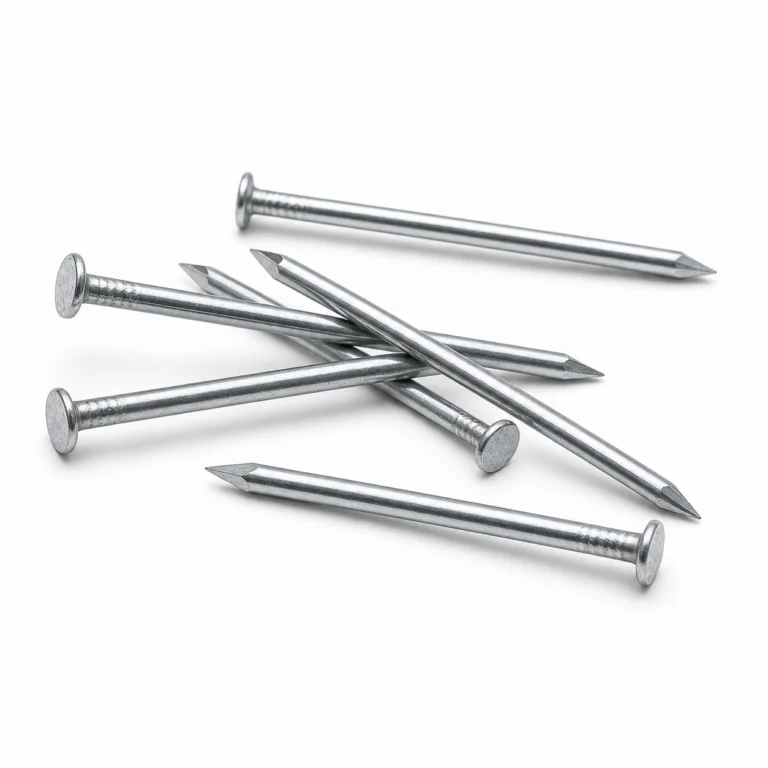
Threaded fasteners are foundational to nearly every industrial sector, from automotive production and heavy machinery to infrastructure projects and consumer electronics. Among these components, bolts serve as critical load‑bearing connections that must meet precise engineering requirements, making the reliability of their manufacture and distribution a constant priority for procurement professionals.
The Ubiquity of Threaded Fasteners
Walk through any manufacturing floor or construction site and the sheer variety of bolts becomes apparent. Standard Hex Bolts are a staple in structural steelwork, while more specialised designs address specific application demands. Flange bolts, carriage bolts, and socket head variants each solve unique clamping and assembly challenges. This diversity reflects the intense customization required across industries—a fastener that works perfectly in a wind turbine may be wholly inadequate for an automotive engine cradle.
Behind each bolt lies a chain of decisions regarding material grade, coating, thread pitch, and dimensional tolerance. Manufacturers invest heavily in cold forming, hot forging, and CNC machining cells to produce parts that consistently meet tight specifications. The sector’s health is often viewed as a bellwether for broader manufacturing activity, as bolt consumption tracks closely with capital goods output and construction spending.
Domestic Production and Global Sourcing
The United States hosts a mix of large integrated mills, medium‑sized specialists, and job shops that collectively produce billions of bolts annually. Domestic foundries supply carbon and alloy steel wire, which is then drawn, headed, threaded, and heat treated in facilities concentrated in the Midwest and Southeast. Despite this capacity, a significant portion of the market is served by imports, particularly from countries with lower labor costs and massive fastener‑dedicated industrial parks.
Supply chain professionals balance domestic lead times and freight costs against overseas pricing and potential tariff exposure. Many distributors maintain inventories across multiple warehouse locations, offering same‑day shipment on common sizes while custom orders flow from dedicated production lines. The rise of near‑shoring trends has also reinvigorated investment in US plants, with companies seeking to shorten supply lines and reduce geopolitical risk.
Standards Ensure Interchangeability and Safety
No discussion of bolt supply is complete without addressing the standards that govern these components. Organizations such as ASTM, ISO, and SAE publish detailed specifications covering dimensions, mechanical properties, and test methods. Bolt Property Classes, defined in ISO 898‑1, classify bolts by tensile strength and yield point, enabling engineers to select the right fastener for a given load. Adherence to these standards guarantees that a bolt sourced from a supplier in Illinois will mate correctly with a nut manufactured in Germany.
Certifications like ISO 9001 and IATF 16949 are commonplace among reputable manufacturers, and many offer full material traceability—from the heat number of the raw steel to the date of shipment. Third‑party testing labs frequently verify lot samples for hardness, elongation, and proof load, providing an extra layer of confidence. For critical applications in pressure vessels or bridges, such documentation is not optional; it is a regulatory prerequisite.
Connecting Through Digital Marketplaces
Finding the right bolt supplier has become far easier with online industrial platforms that aggregate manufacturer catalogs, certifications, and customer reviews. Thomasnet, for instance, provides a searchable directory of hundreds of US‑based bolt producers and distributors, complete with capability statements and contact details. These platforms accelerate the sourcing process by allowing engineers to filter results by standard, material, and production method, drastically reducing the time spent on requests for quote.
Search tools also help small and medium‑sized enterprises compete on a level playing field with large incumbents. A specialist in corrosion‑resistant fasteners for marine applications can be discovered just as quickly as a multinational commodity producer. Real‑time inventory integration and digital quoting further streamline procurement, and some platforms even offer CAD model downloads to assist with design integration.
The result is a more transparent marketplace where quality, delivery performance, and technical expertise become visible differentiators. For purchasing managers, that transparency translates into better risk management and fewer disruptions on the production line. As precision requirements escalate and supply chains grow more complex, these digital connections are likely to become indispensable.
The US bolt manufacturing and supply sector remains a dynamic intersection of traditional metalworking expertise, rigorous standards compliance, and modern digital commerce. From high‑volume commodity parts to engineered‑to‑order specialty items, the market continues to adapt to the evolving needs of global industry.
Why This Matters
As industrial demand expands, reliable access to certified bolts is essential for maintaining production continuity and structural safety. Knowing the supplier landscape and key standards helps businesses mitigate supply chain risks and ensure compliance across diverse engineering projects.
FAQ
Is "threaded fastener" - Google News the only source for this threaded fastener story?
"threaded fastener" - Google News is the outlet attached to this item, but it should not be the only reference for an important development. Comparing it with other independent reports gives a fuller and more reliable picture.
What is this threaded fastener story about?
It summarises a recent development in threaded fastener, drawing on the original reporting. The key facts — who is involved, what changed and any figures or dates attached — are highlighted so the story is quick to grasp.
Why does this threaded fastener development matter?
The significance lies in what it signals: a notable figure, a decision, or a shift that affects the people, places or organisations named. Those are the points worth following as the story continues.
How current is this threaded fastener information?
This article was published on June 3, 2026. News changes quickly, so use it as a starting point and check the named source for later corrections, revised figures or follow-up reporting.
Is this threaded fastener report confirmed?
It reflects what the cited reporting stated at the time, which can be preliminary. For anything consequential, comparing two or more independent reports is the most reliable way to confirm the details.
Who and where is involved in this threaded fastener story?
The article identifies the main organisations, people and locations tied to the development. Those named entities are the anchors for following how the story evolves across later coverage.