
Spinning Rusted Nut on Car Battery Terminal Prompts Removal Tactics
A Reddit user struggling with a rusted, spinning nut on a car battery negative terminal highlights common corrosion-related fastener failures and the practical techniques used to free seized hardware.
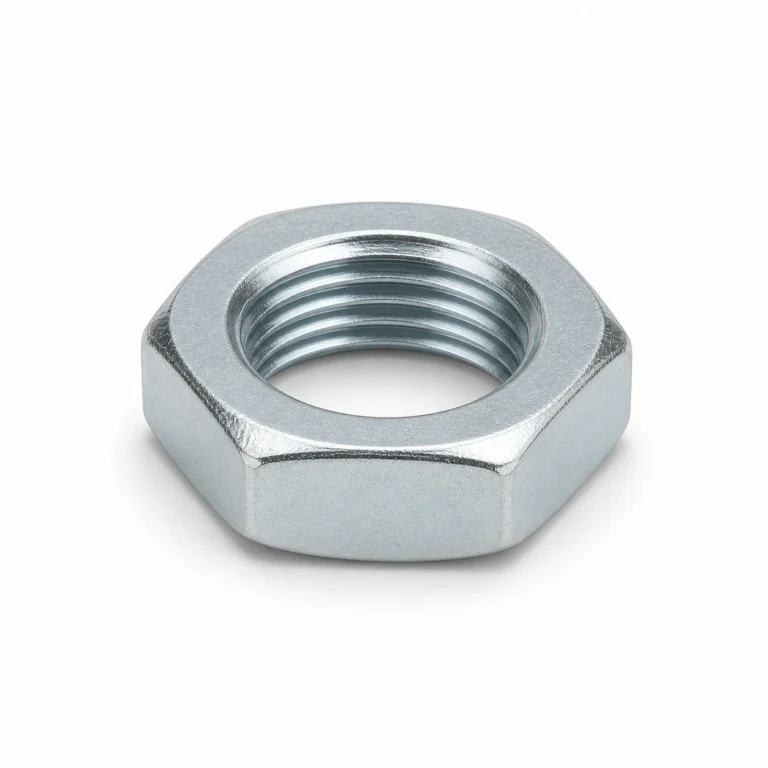
A routine battery maintenance task turned into a frustrating ordeal when a rusted fastener on a negative terminal refused to come loose, its nut spinning uselessly in place. The struggle, shared on Reddit, underscores a pervasive challenge for vehicle owners and technicians: corrosion-seized hardware that defies simple removal.
Anatomy of a Seized Terminal Connection
Battery terminals are particularly susceptible to corrosion due to their exposure to acidic fumes and moisture. Over time, this can fuse the nut and bolt together, making disassembly difficult. In the case described, the fastener had been partially loosened before the nut began to spin, indicating that the threads may have stripped or that corrosion is preventing the bolt from turning.
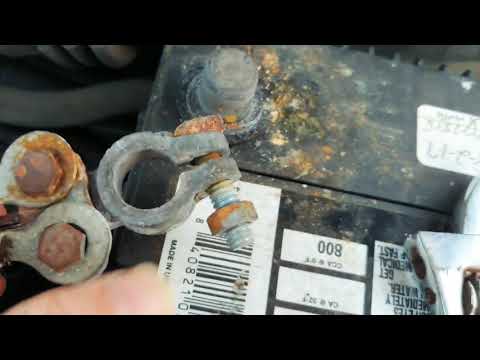
The use of penetrating fluid is a standard first step, but limited access around the terminal often hampers proper application and tool engagement. Needle-nose pliers can offer a temporary grip, yet they frequently slip under high torque, as the original poster discovered. This scenario is common across automotive, marine, and industrial equipment where fasteners are exposed to the elements.
Community Guidance and Professional Techniques
When a nut spins in place without advancing, several methods can break the deadlock. Experts in the fastener industry and experienced mechanics suggest a progressive approach:
- Penetrating lubricants: Apply a quality catalyst with repeated, light tapping to encourage capillary action deeper into the threads.
- Heat application: A heat gun or induction heater can break the rust bond, but caution is needed near the battery to avoid damage or explosion risk.
- Vibration and impact: Light hammering or an impact driver can shock the corrosion loose, especially in combination with lubricant.
- Nut splitter or rotary tool: As a last resort, cutting the hex nut off or grinding the bolt head allows removal without damaging the terminal post.
- Specialty sockets and extractors: Rounded-nut removers or left-hand drill bits can bite into damaged hardware.
Prevention remains the best long-term fix. Anti-seize compounds applied during assembly, and the use of stainless steel or zinc-plated hex bolts and nuts, significantly reduce future seizure. Periodic inspection and cleaning also forestall severe corrosion.
| Aspect | Details |
|---|---|
| Common Scenario | Nut spins on corroded bolt after partial loosening, as reported on Reddit |
| Initial Attempts | Penetrating fluid and needle-nose pliers proved insufficient |
| Primary Causes | Thread stripping, rust bonding, and limited access around the terminal |
| Advanced Removal Methods | Heat, vibration, nut splitters, rotary tools, or bolt extractors |
| Preventive Measures | Anti-seize compound, corrosion-resistant fasteners, and regular cleaning |
| Industry Relevance | Highlights the need for better fastener materials and standards in automotive applications |
As vehicle electrical systems become more complex, the demand for reliable, corrosion-resistant fasteners will likely drive innovation in plating technology and maintenance products, ensuring that a rusted terminal ceases to be a roadside emergency.
Why This Matters
Corrosion of fasteners in automotive applications leads to maintenance headaches and potential electrical failures. The discussion highlights the importance of proper fastener materials and anti-seize compounds. It also underscores the need for accessible tools and techniques for DIY repairs, reflecting broader trends in vehicle maintenance and the fastener industry's role in providing corrosion-resistant solutions.
Sources
- Reddit (reddit.com)
FAQ
Who and where is involved in this fastener story?
The article identifies the main organisations, people and locations tied to the development. Those named entities are the anchors for following how the story evolves across later coverage.
Is reddit.com: search results - fastener the only source for this fastener story?
reddit.com: search results - fastener is the outlet attached to this item, but it should not be the only reference for an important development. Comparing it with other independent reports gives a fuller and more reliable picture.
What is this fastener story about?
It summarises a recent development in fastener, drawing on the original reporting. The key facts — who is involved, what changed and any figures or dates attached — are highlighted so the story is quick to grasp.
Why does this fastener development matter?
The significance lies in what it signals: a notable figure, a decision, or a shift that affects the people, places or organisations named. Those are the points worth following as the story continues.
How current is this fastener information?
This article was published on July 25, 2026. News changes quickly, so use it as a starting point and check the named source for later corrections, revised figures or follow-up reporting.
Is this fastener report confirmed?
It reflects what the cited reporting stated at the time, which can be preliminary. For anything consequential, comparing two or more independent reports is the most reliable way to confirm the details.