
Polymer Fasteners Challenge Metal Dominance in Key Industries
Polymer fasteners are displacing metal components across a widening array of industries, driven by demands for lighter weight, inherent corrosion resistance, and cost efficiency.
Every article we have published on Automotive — standards, materials, coatings and installation practice, newest first.
In Automotive, a single figure — a deal value, a percentage change or a target year — can reframe the whole story, which is why the underlying numbers deserve more attention than the headline.
Around automotive, coverage clusters on Automotive, ISO Standards, Aerospace, ASTM and Battery Terminal, and watching how those threads develop relative to each other often reveals the bigger story.
Concrete figures such as USD 17.0, USD 17.0 billion, $17 Billion and $5 have appeared in reporting traced to Fastener + Fixing Magazine and openPR.com; they give the story a measurable anchor, though the exact amount and scope are always worth confirming in the original report.
Polymer fasteners are displacing metal components across a widening array of industries, driven by demands for lighter weight, inherent corrosion resistance, and cost efficiency.
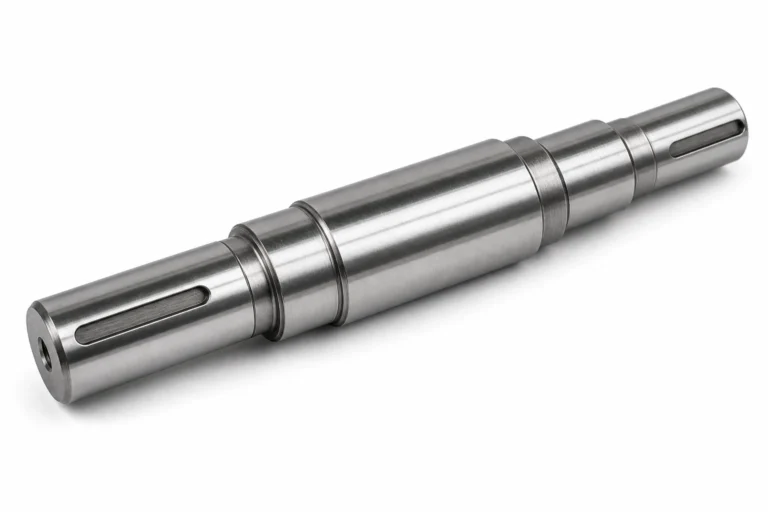
Every year, countless DIY mechanics face a spinning nut on a corroded battery terminal. This guide explains why bolts seize and walks through proven…
A sustained shift toward plastic fasteners is underway across automotive, electronics, and industrial sectors, driven by advances in high‑performance thermoplastics and the need for…
New research forecasts India's fastener market will expand at a 4.67% CAGR to reach USD 17.0 billion by 2034. Growth is fueled by rising…
Recent coverage gathered here includes reporting from Fastener + Fixing Magazine and openPR.com. No single outlet should be treated as the last word, so for important developments it helps to compare how several sources describe the same event.
These names and themes keep appearing alongside each other, which usually means they are part of the same wider story. Following them as a group — rather than one headline at a time — gives an earlier read on where automotive coverage is heading.
Significant stories usually carry verifiable detail — a named figure, a date, a percentage or a clearly identified organisation — and tend to appear across more than one outlet. Reports that stay at the level of general commentary are better treated as background.
The most recent coverage of automotive is collected here, ordered with the newest items first. Each report links back to its original source, so the freshest developments — and the dates attached to them — are easy to follow.