The primary duty of Clevis Pins is precise location and light shear duty between two parts. Below: the sectors that specify them in volume, the checklist used to select the right size and material for the application, installation notes, and the known limits of the type. Stocked across roughly 3 mm to 20 mm, they cover general to heavy-duty work.
Typical Applications for Clevis Pin — ISO / DIN (Series 101)
The most common settings where these are specified:
- Machine alignment: dowelling mating housings so they reassemble in the same position.
- General machine building: fastening covers, brackets, motors and sub-assemblies on production equipment.
- Maintenance & repair (MRO): a stocked size for servicing existing plant where the original fastener spec must be matched.
- Fabrication & metalwork: bench and on-site assembly of steel frames, enclosures and weldments.
- Jigs & fixtures: precise location of tooling plates and locating features.
How to Specify Clevis Pin — ISO / DIN (Series 101) for Your Application
- Size: Select on nominal diameter, then on the hole tolerance and fit class — the fit, not the diameter alone, determines whether the part locates or slips. This product spans 3 mm–20 mm; check the full table below for the exact dimensions of each size.
- Material: Choose the material and finish for the service environment — plated steel for general use, stainless for corrosion resistance.
- Environment: For damp, coastal or chemical exposure prefer A4/316 stainless or a suitable coating; indoors, plated steel or A2 is usually sufficient.
- Standard: This is a trade-series article rather than one covered by a published dimensional standard, so dimensions can differ between manufacturers. Quote the dimensions you need — or the part you are replacing — rather than a standard number.
Installation & Assembly Practice
- Ream the hole to the specified fit class; a dowel pressed into a drilled-only hole will not locate accurately.
- Press pins in with steady force rather than hammer blows where possible, and chamfer the hole entry.
Common Selection Mistakes with Clevis Pin — ISO / DIN (Series 101)
- Using a dowel pin as a load-carrying shear bolt — dowels locate, they are not sized for sustained shear.
- Ignoring the fit class: a locational fit and an interference fit need different hole tolerances.
Where Clevis Pin — ISO / DIN (Series 101) Are Not the Right Choice
Not for carrying significant tensile or repeated heavy shear loads — use a bolt or a keyed joint for that.
Custom manufacturing · Made to drawing
Need a clevis pin outside the standard range?
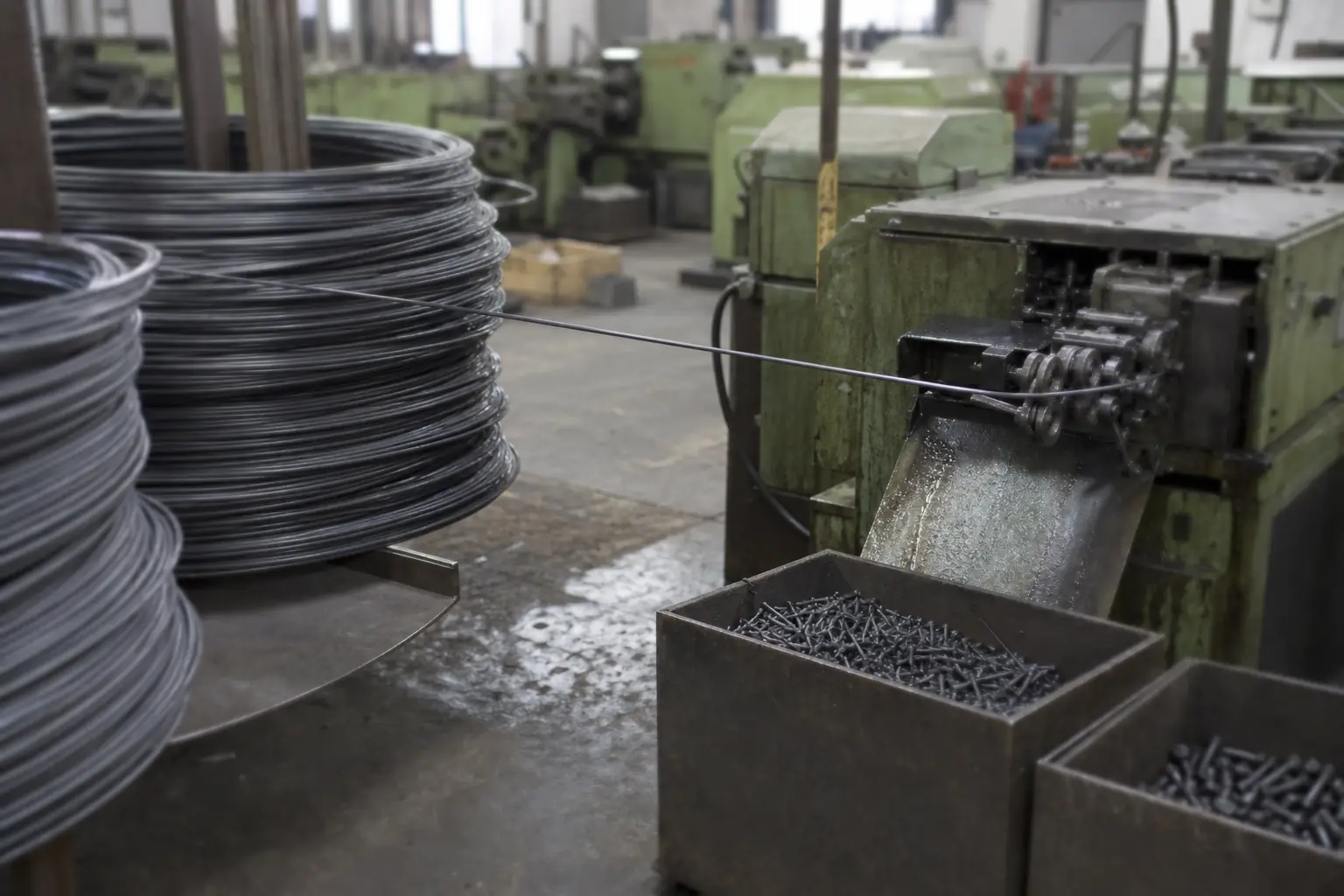
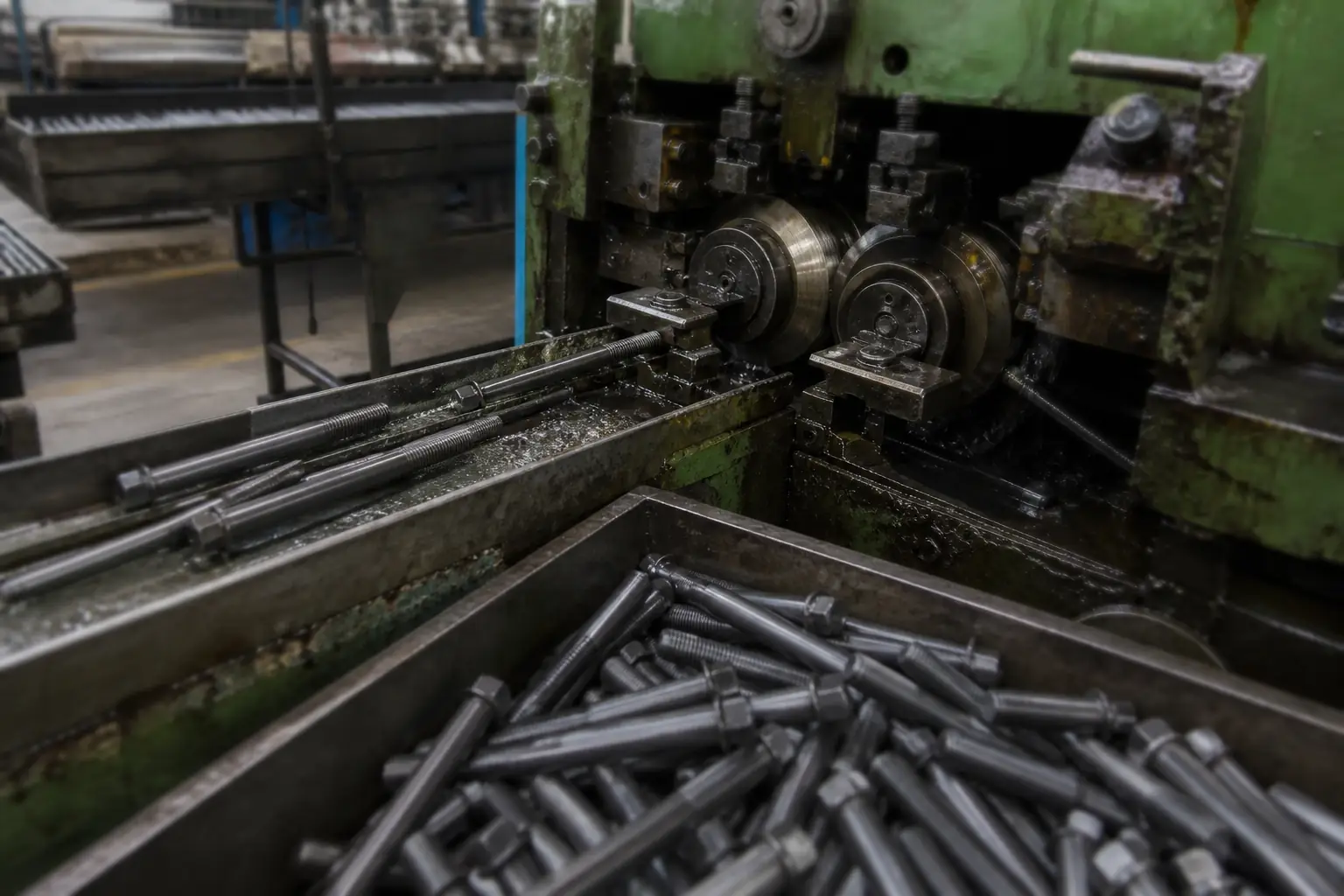
End form, hardness and surface finish are all variable; the diameter tolerance is the one that decides the process. Made by cold heading or turning.
Minimum order from 2,000 pieces; samples within 7 days of drawing approval.