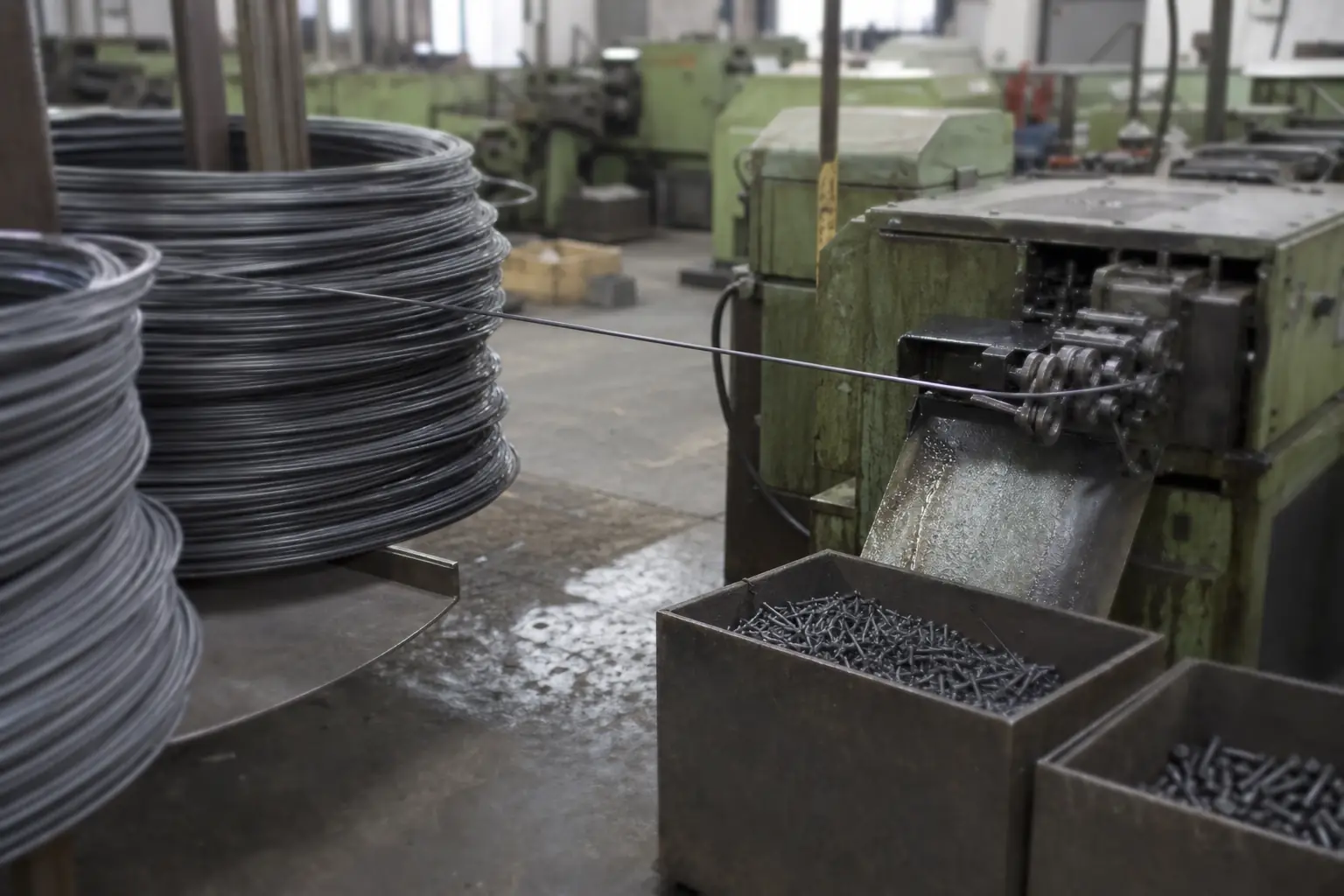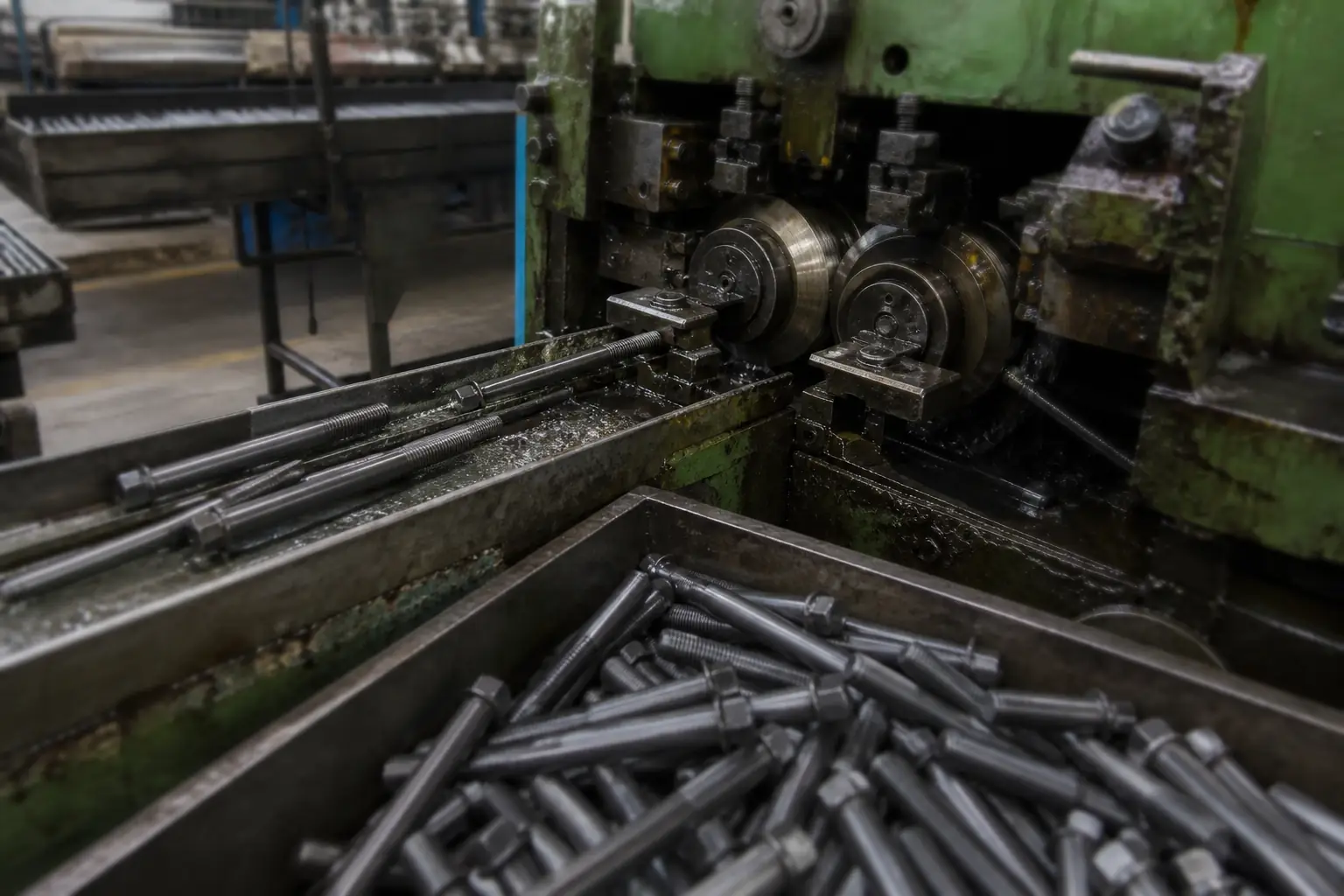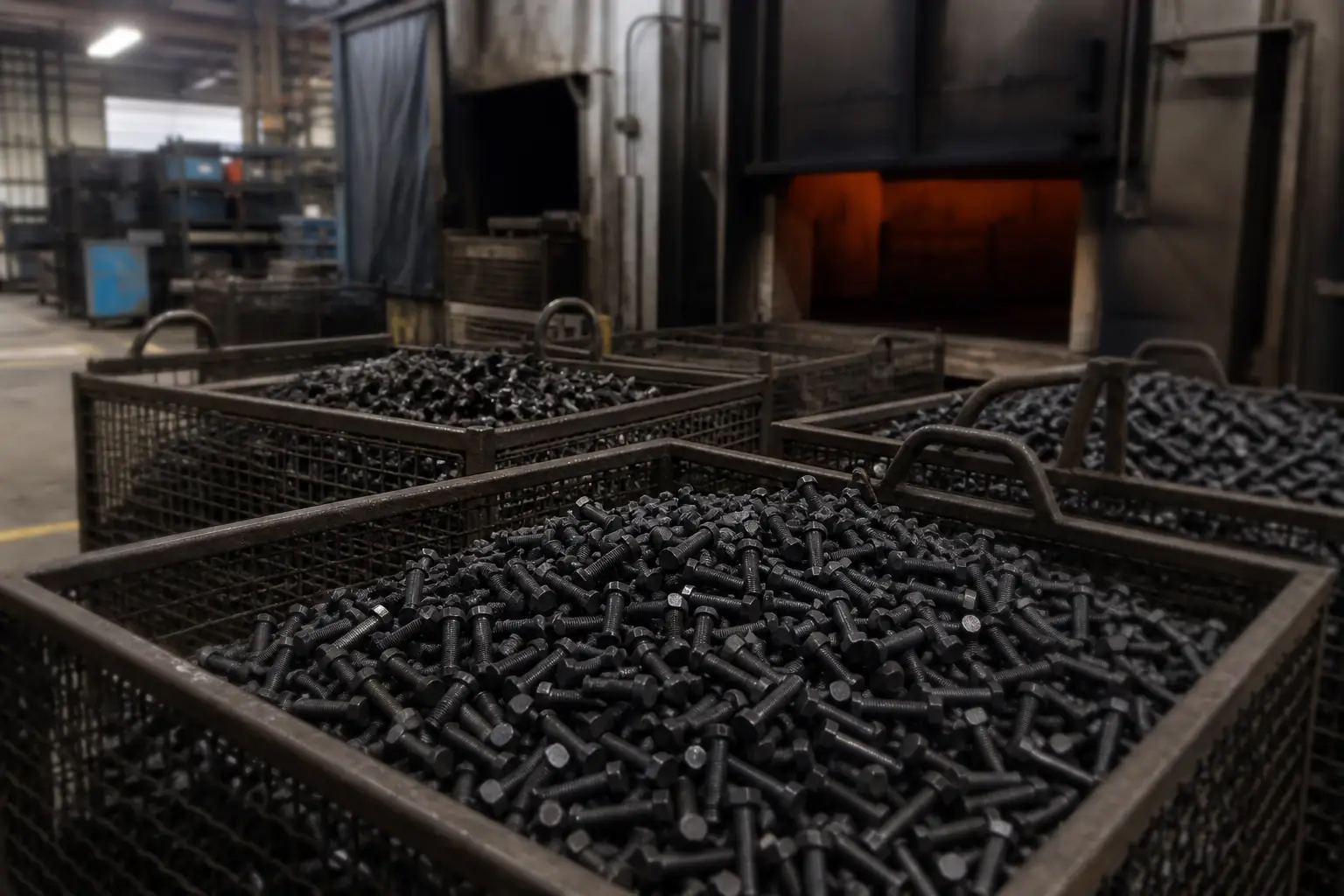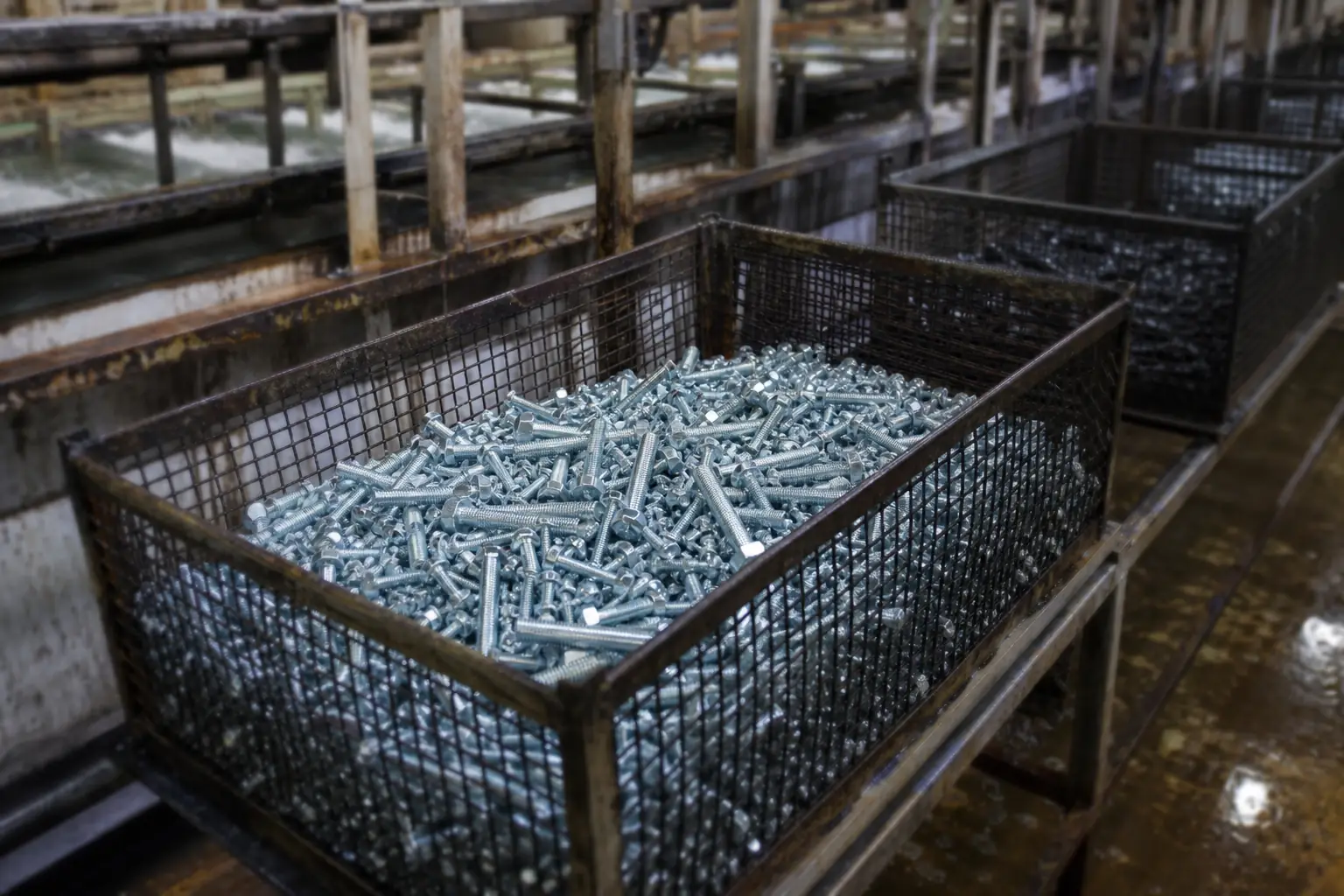

Grooved Pins (DIN 1471–1474) are used primarily for locating and fixing in a plain drilled hole, where a solid dowel would need a reamed hole and a press. This page lists the industries and assemblies where they are specified, the selection criteria that matter for each application, installation practice, and the cases where a different fastener type is the correct choice. Parts are supplied to DIN 1473. Stocked across roughly 2 mm to 10 mm, they cover general to heavy-duty work.
Typical Applications for Grooved Pins (DIN 1471–1474)
The most common settings where these are specified:
- Fabrication & metalwork: bench and on-site assembly of steel frames, enclosures and weldments.
- Jigs & fixtures: precise location of tooling plates and locating features.
- Linkages & hinges: pivot points carrying light shear.
- Machine alignment: dowelling mating housings so they reassemble in the same position.
- General machine building: fastening covers, brackets, motors and sub-assemblies on production equipment.
Related Grooved Pins products
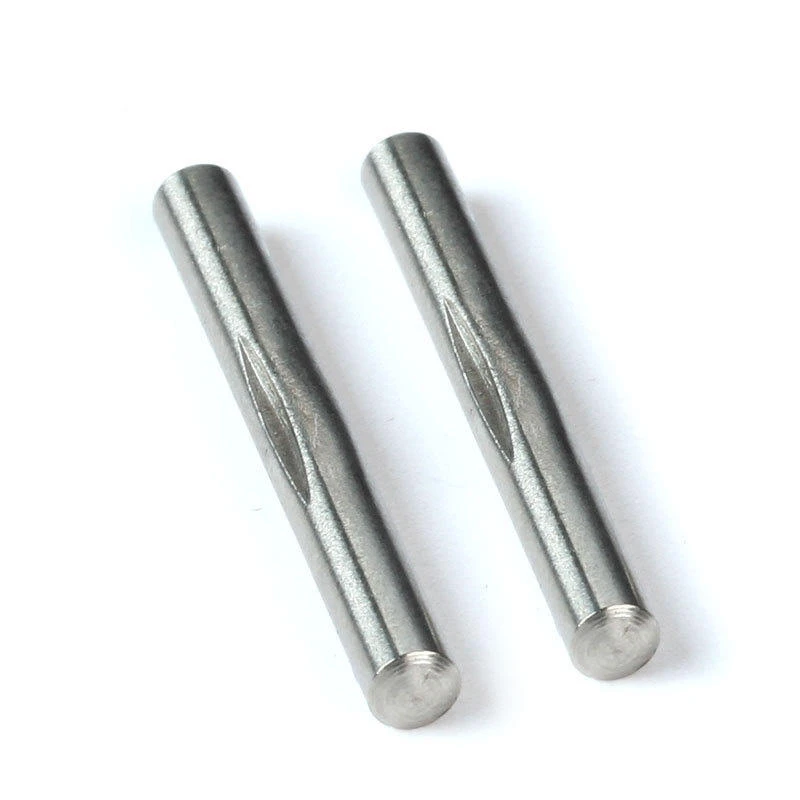
Good Quality Grooved Pins 1/3 Length Center Grooved DIN 1475
Stainless Steel · DIN
US$0.012MOQ 1,000 pieces
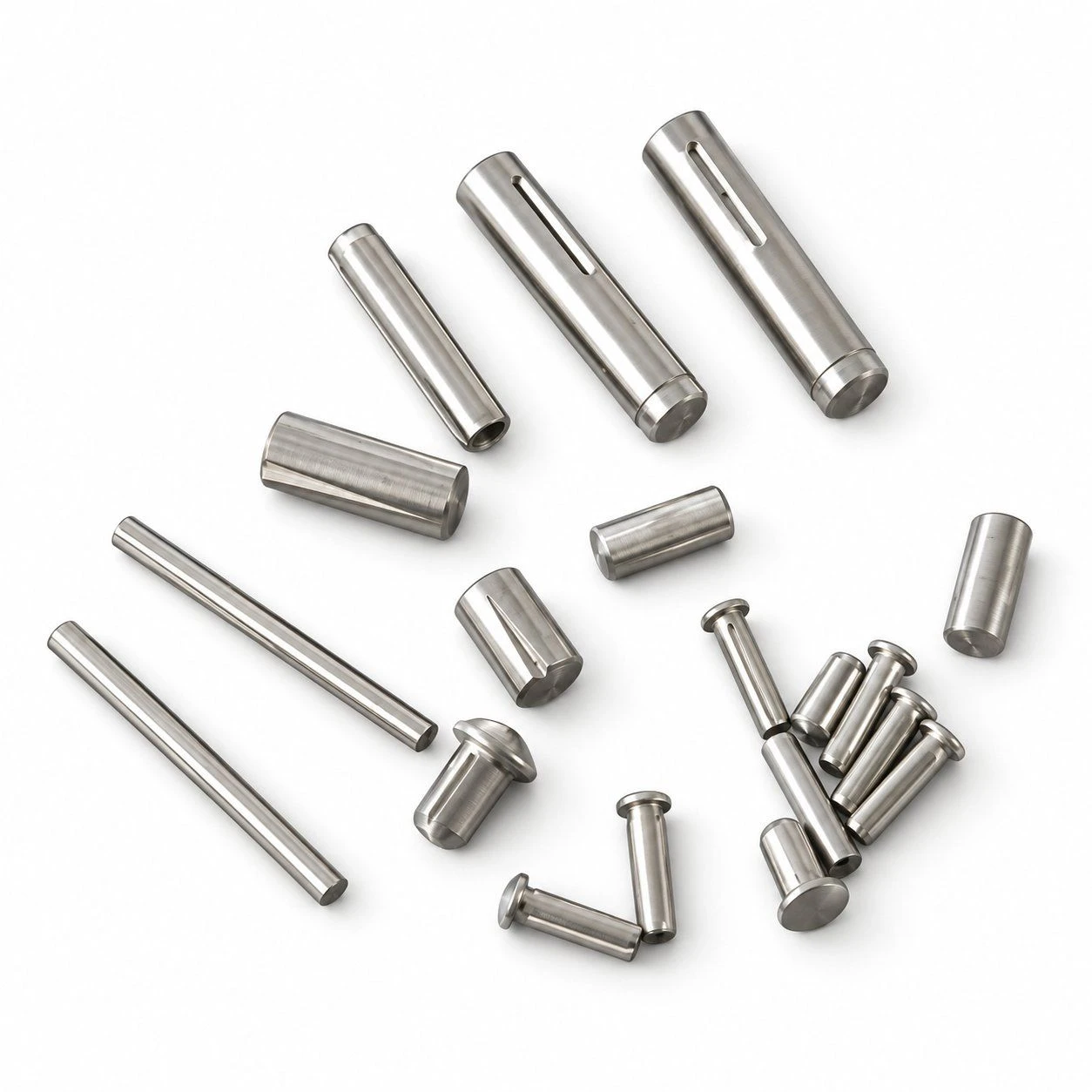
Types Groove Grooved Pin
Stainless Steel/Carbon Steel/Special Alloy/Ti · ISO, GS, RoHS, CE
US$0.048 – 6.00MOQ 100 pieces
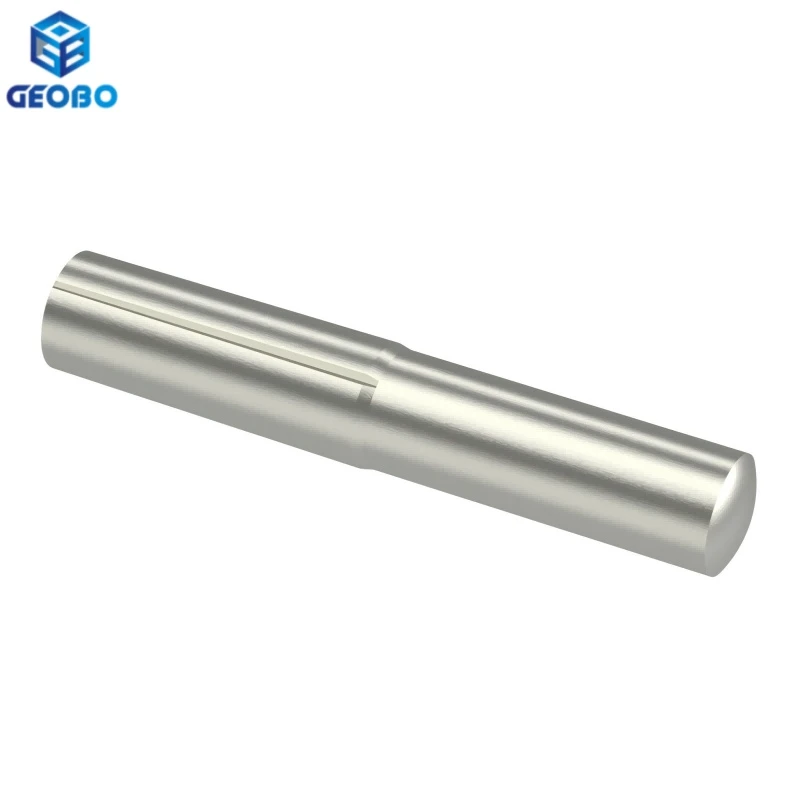
Stainless Steel Carbon Steel DIN1474 Grooved Pins
Iron · ISO, GS, RoHS, CE
US$0.12 – 1.20MOQ 10,000 pieces
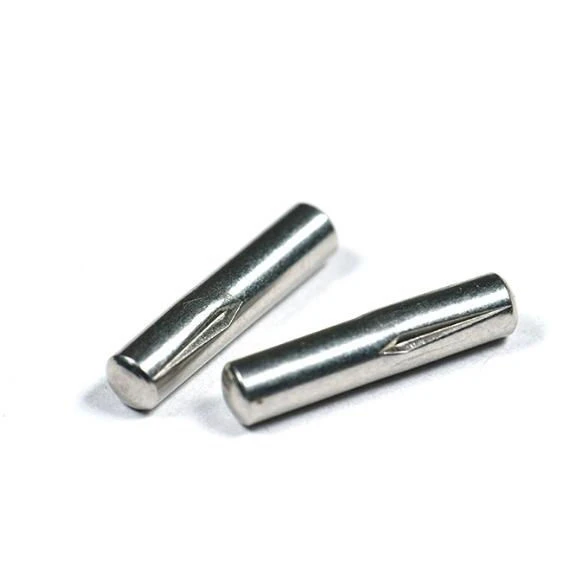
Grooved Pins Full Length Parallel Grooved with Chamfer DIN1473
Grooved Pins · Stainless Steel
US$0.42MOQ 10,000 pieces
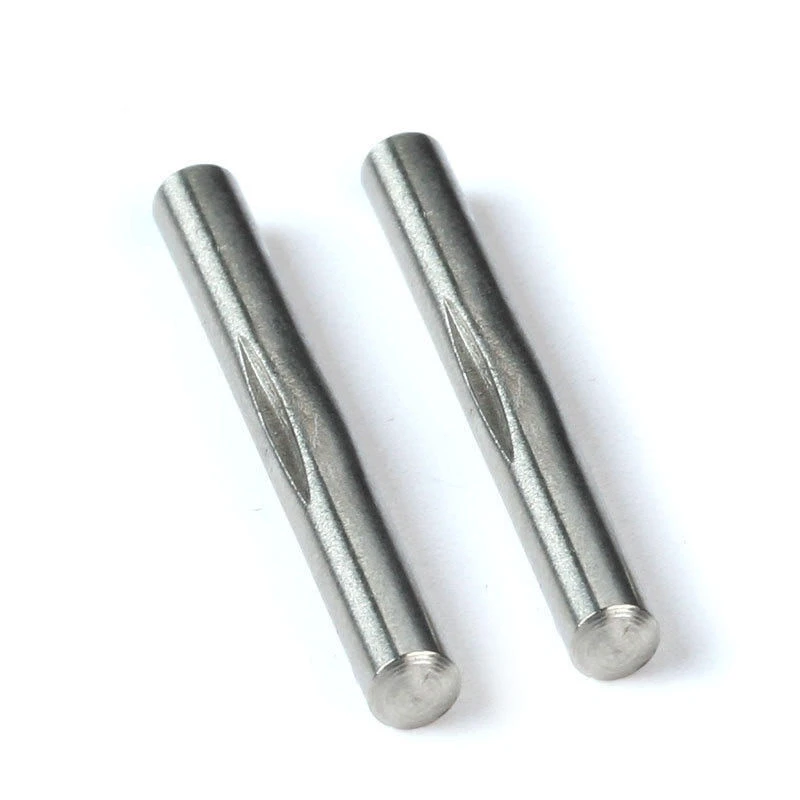
Good Quality Grooved Pins 1/3 Length Center Grooved DIN 1475
Grooved Pins · Stainless Steel
US$0.42MOQ 10,000 pieces
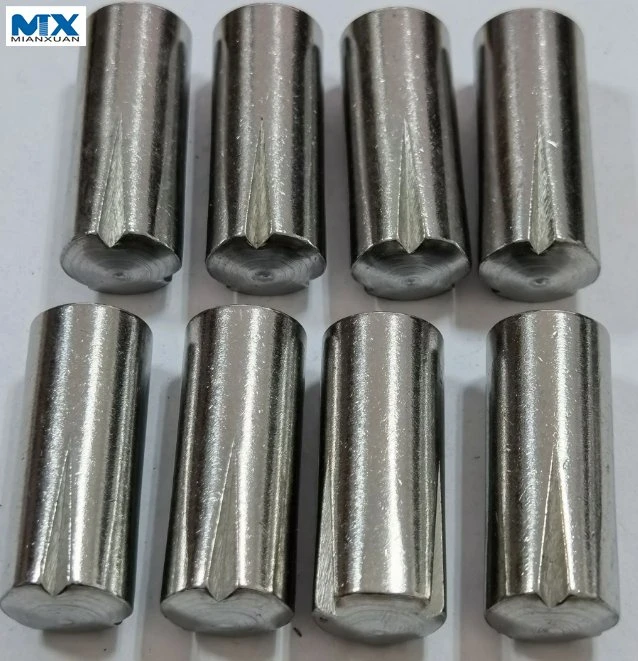
Half Length Taper Grooved Pins
Iron · Zinc plated
US$0.36 – 3.60MOQ 10,000 pieces
View all Taper, Grooved & Knurled Pins → Full product catalog
How to Specify Grooved Pins (DIN 1471–1474) for Your Application
- Size: Select on nominal diameter, then on the hole tolerance and fit class — the fit, not the diameter alone, determines whether the part locates or slips. This product spans 2 mm–10 mm; check the full table below for the exact dimensions of each size.
- Material: Choose the material and finish for the service environment — plated steel for general use, stainless for corrosion resistance.
- Environment: For damp, coastal or chemical exposure prefer A4/316 stainless or a suitable coating; indoors, plated steel or A2 is usually sufficient.
- Standard: This product is supplied to DIN 1473. Quoting the standard on your order guarantees interchangeable dimensions between suppliers.
Installation & Assembly Practice
- Ream the hole to the specified fit class; a dowel pressed into a drilled-only hole will not locate accurately.
- Press pins in with steady force rather than hammer blows where possible, and chamfer the hole entry.
Common Selection Mistakes with Grooved Pins (DIN 1471–1474)
- Using a dowel pin as a load-carrying shear bolt — dowels locate, they are not sized for sustained shear.
- Ignoring the fit class: a locational fit and an interference fit need different hole tolerances.
Where Grooved Pins (DIN 1471–1474) Are Not the Right Choice
Not for carrying significant tensile or repeated heavy shear loads — use a bolt or a keyed joint for that.
Custom manufacturing · Made to drawing
Need a grooved pins (din 1471–1474) outside the standard range?
Diameter, length, tolerance class, hardness and end form are specifiable. Ground diameters are held after heat treatment rather than before. Made by cold heading or turning.
Minimum order from 2,000 pieces; samples within 7 days of drawing approval.