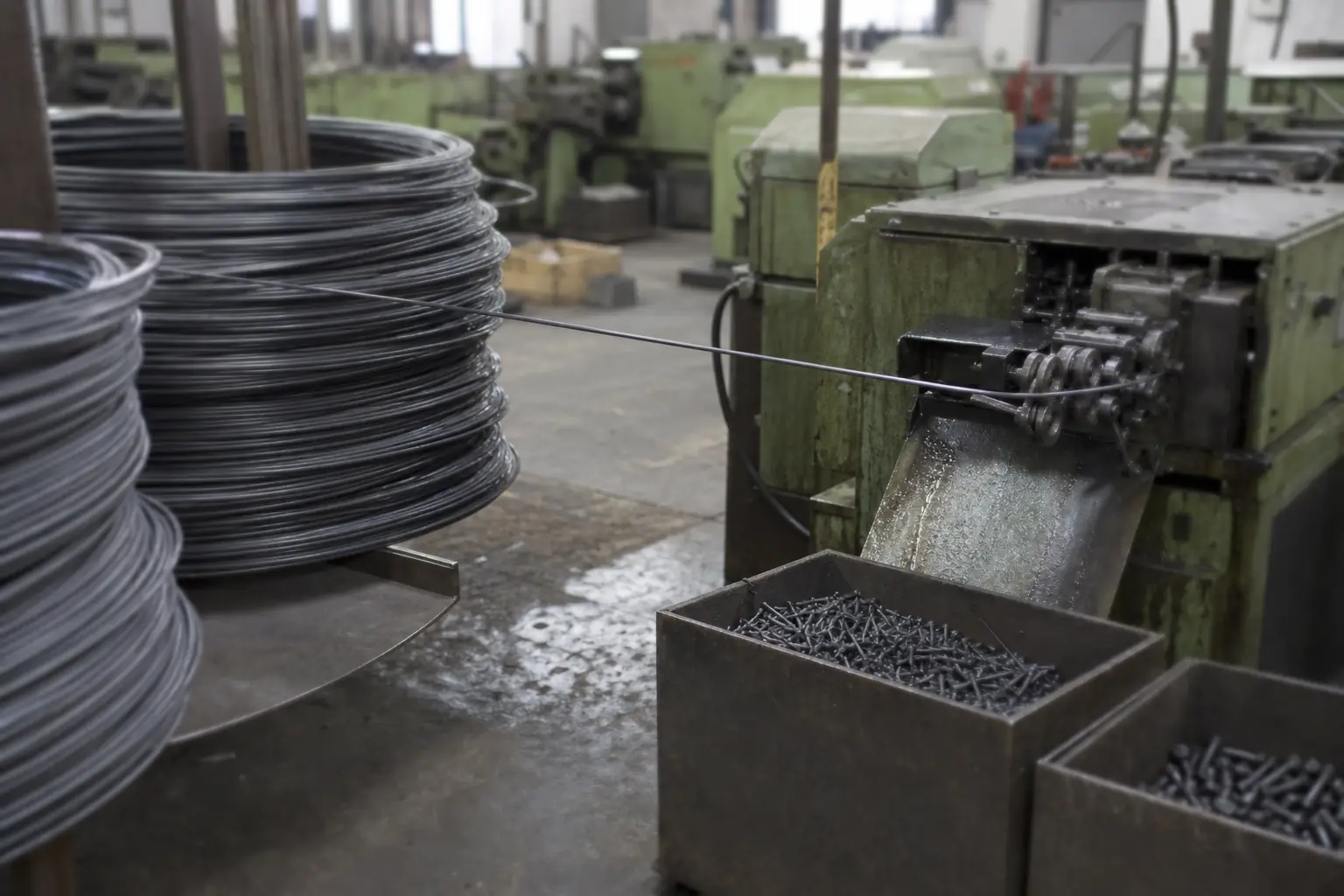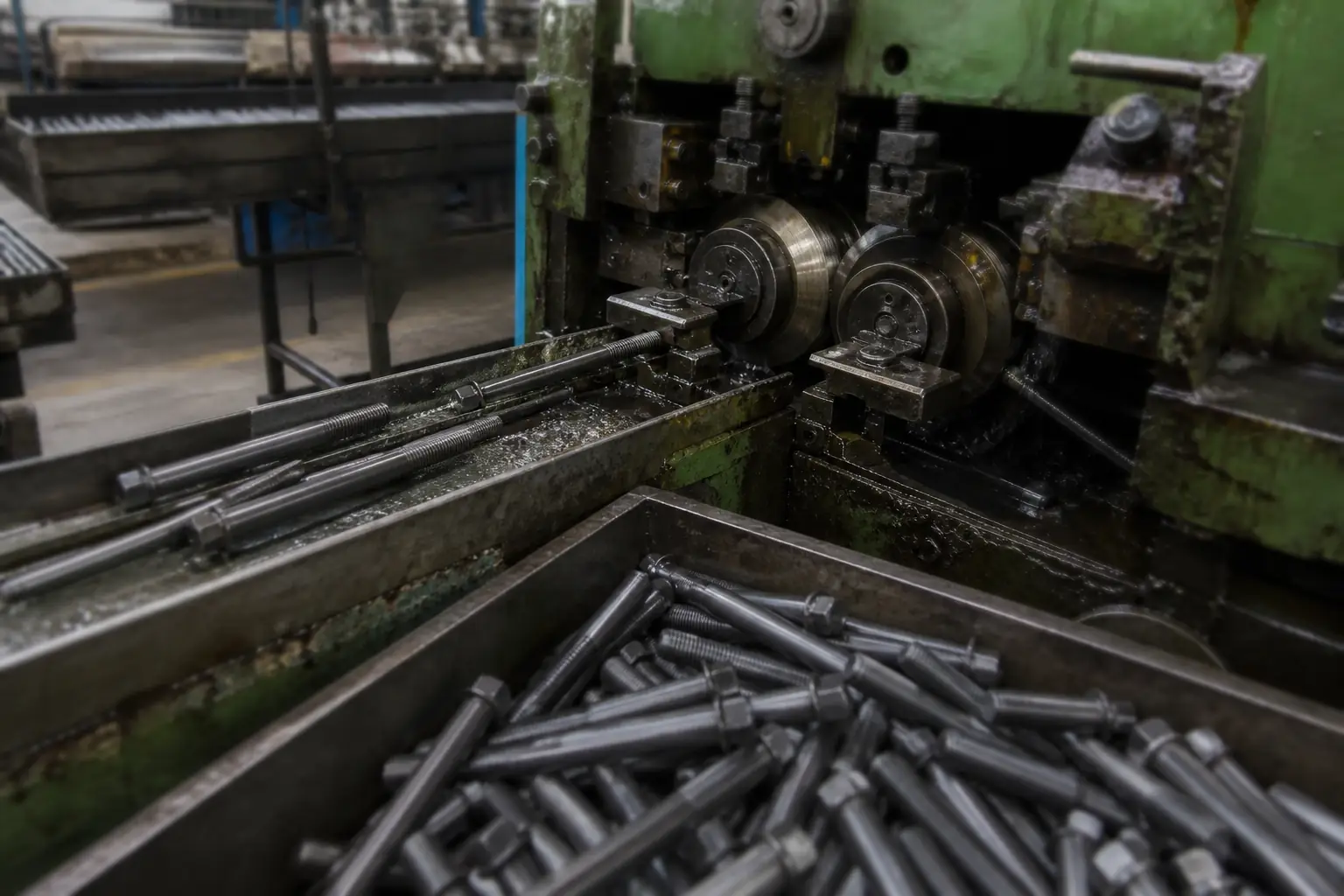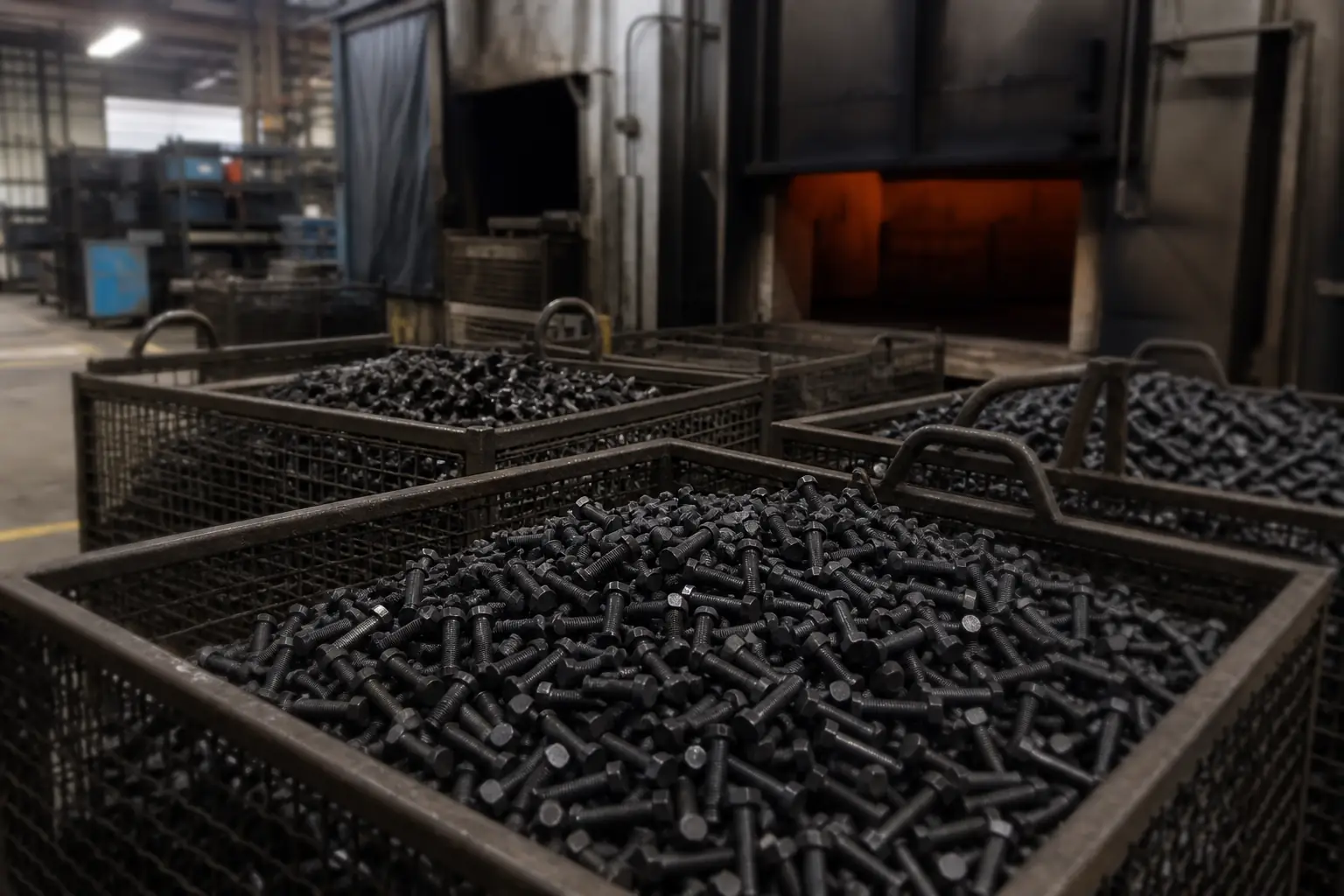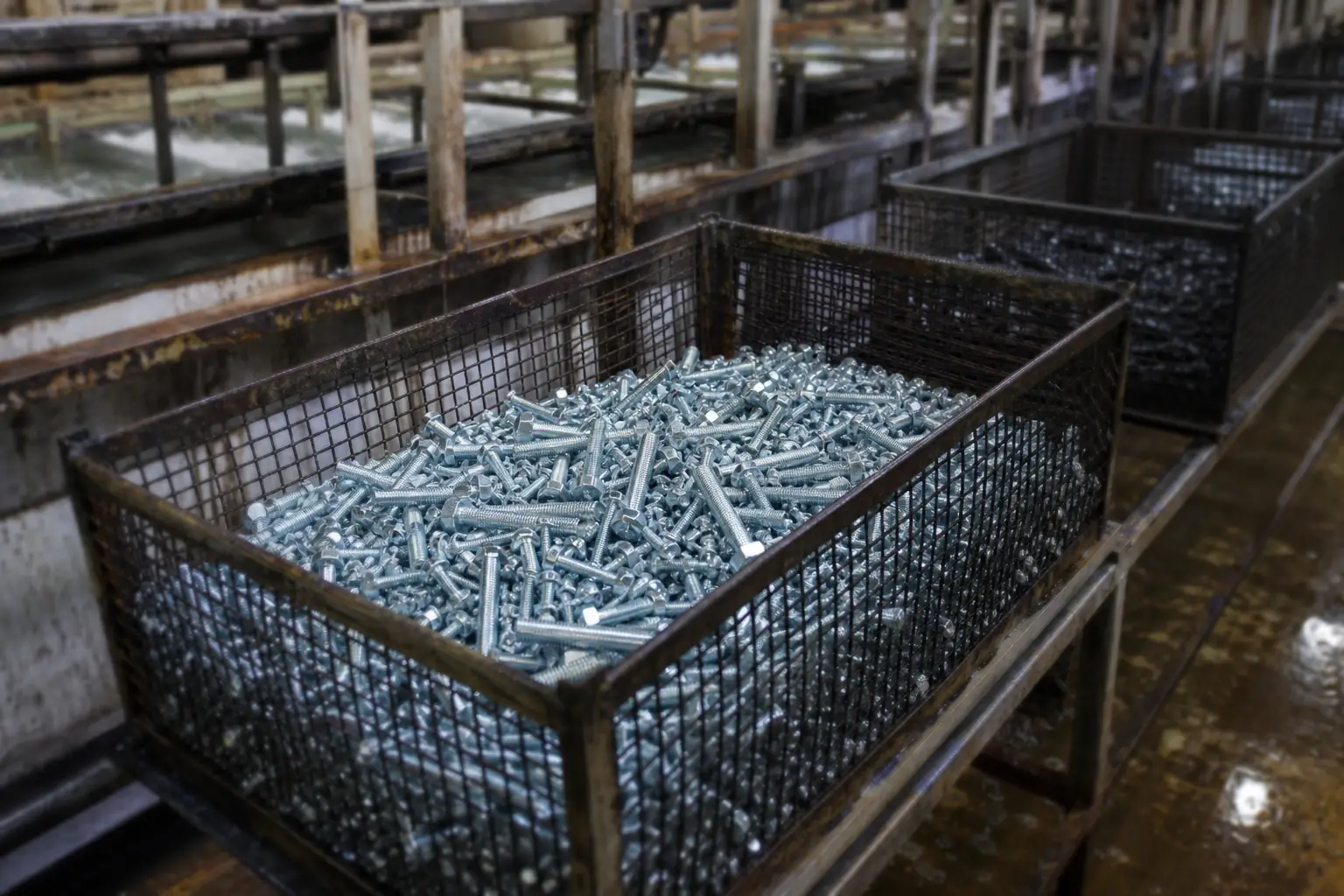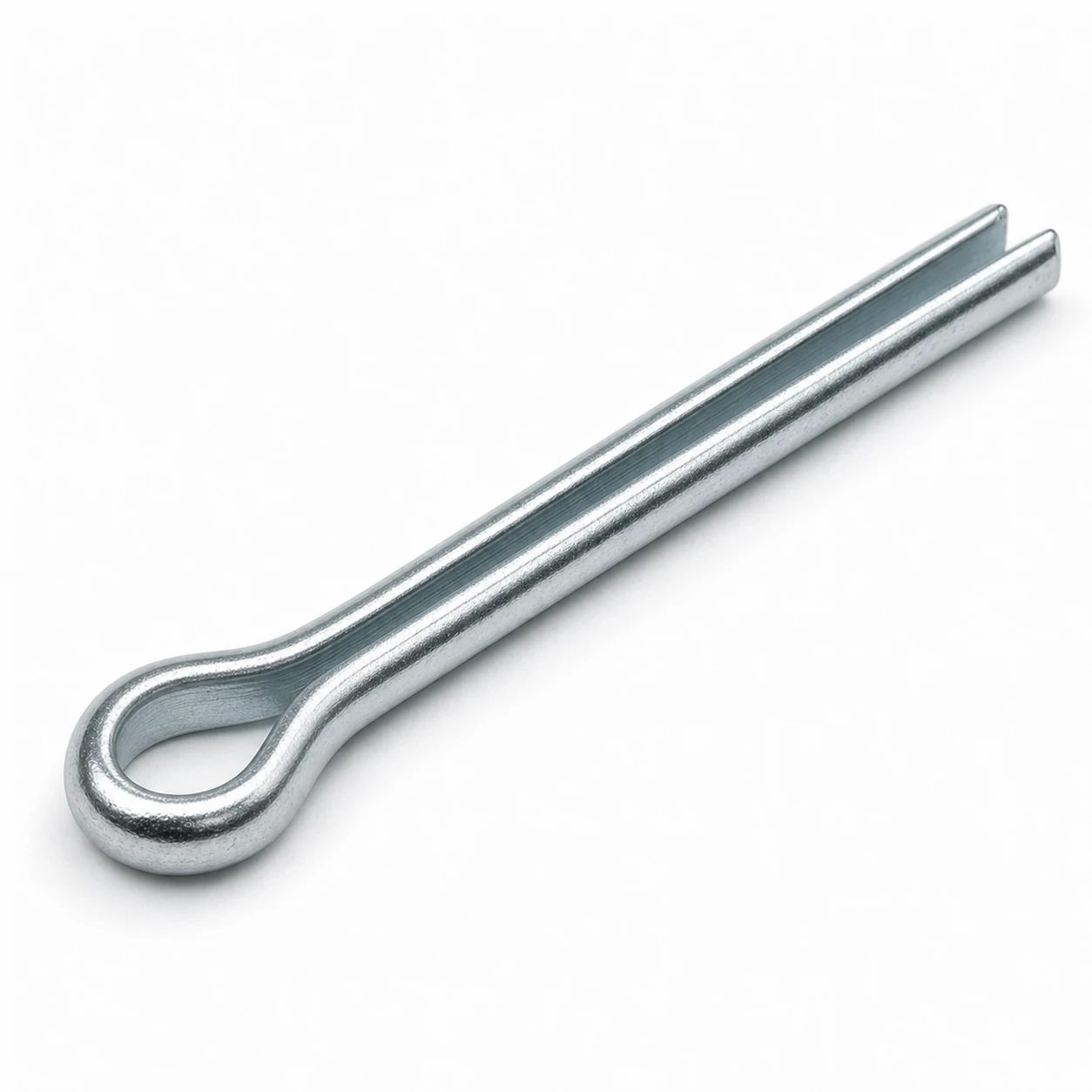
A4 Stainless Steel Split Cotter Pins are supplied to ISO 1234 / DIN 94. The grade provides superior, including marine and chloride environments and is largely non-magnetic; the practical service range is approx. -200 °C to +400 °C, subject to the property class and the joint. Property data, grade comparison and the full size table follow.
Why Choose A4 Stainless Steel for Split Cotter Pins
Specified for marine, coastal and chemical applications. For split cotter pins, this matters when superior, including marine and chloride environments is the primary requirement.
Mechanical & Physical Properties
| Grade designation | ISO 3506 group A4 (316 / 1.4401), commonly supplied A4-80 |
|---|---|
| Magnetic response | Largely non-magnetic |
| Service temperature | approx. -200 °C to +400 °C, subject to the property class and the joint |
| Corrosion characteristic | Superior, including marine and chloride environments |
Corrosion Behavior in Service
A4 (316) adds 2–3% molybdenum to the A2 (304) composition, which dramatically improves resistance to chloride-pitting corrosion. For Split Cotter Pins in marine, coastal, swimming-pool or food-processing environments, A4 is the default selection.
Galvanic & Galling Considerations
For stainless split cotter pins the compatibility question is galvanic rather than galling: joined to aluminum or galvanized steel in wet service, stainless drives corrosion of the less-noble metal. Isolate with a coating, sleeve or non-conductive washer where the joint sees moisture. Note also that stainless is softer than hardened carbon steel, so where the part carries a wear or shear duty, check the load against the grade before substituting.
Using Stainless Fasteners in Aluminum
The galvanic couple here runs the wrong way: aluminum is the less noble metal, so it corrodes and the fastener does not. What governs the rate is the ratio of areas — a large anode and a small cathode is a tolerable combination, the reverse concentrates the attack into thin material around the hole. An isolating washer plus sealant breaks the circuit; where that is impractical, match the fastener to the substrate.
Sizes of Split Cotter Pins Available in A4 Stainless Steel
| Nominal diameter (mm) | Hole dia min (mm) | Hole dia max (mm) | Common length range (mm) | Material | Reference standard |
|---|---|---|---|---|---|
| 0.6 | 0.7 | 0.9 | 6~16 | Low-carbon steel / stainless | ISO 1234 / DIN 94 |
| 0.8 | 0.9 | 1.1 | 6~20 | Low-carbon steel / stainless | ISO 1234 / DIN 94 |
| 1.0 | 1.1 | 1.3 | 8~25 | Low-carbon steel / stainless | ISO 1234 / DIN 94 |
| 1.2 | 1.3 | 1.5 | 8~30 | Low-carbon steel / stainless | ISO 1234 / DIN 94 |
| 1.6 | 1.7 | 1.9 | 10~40 | Low-carbon steel / stainless | ISO 1234 / DIN 94 |
| 2.0 | 2.1 | 2.4 | 12~50 | Low-carbon steel / stainless | ISO 1234 / DIN 94 |
| 2.5 | 2.7 | 3.0 | 14~63 | Low-carbon steel / stainless | ISO 1234 / DIN 94 |
| 3.2 | 3.4 | 3.8 | 18~80 | Low-carbon steel / stainless | ISO 1234 / DIN 94 |
| 4.0 | 4.3 | 4.8 | 22~100 | Low-carbon steel / stainless | ISO 1234 / DIN 94 |
| 5.0 | 5.4 | 5.9 | 25~125 | Low-carbon steel / stainless | ISO 1234 / DIN 94 |
| 6.3 | 6.7 | 7.4 | 32~160 | Low-carbon steel / stainless | ISO 1234 / DIN 94 |
| 8.0 | 8.5 | 9.3 | 40~200 | Low-carbon steel / stainless | ISO 1234 / DIN 94 |
| 10.0 | 10.6 | 11.5 | 50~250 | Low-carbon steel / stainless | ISO 1234 / DIN 94 |
| 13.0 | 13.8 | 14.9 | 63~315 | Low-carbon steel / stainless | ISO 1234 / DIN 94 |
Dimensions are independent of the material: every size above is available in A4 Stainless Steel.
Custom manufacturing · Made to drawing
Need this pin in a grade that is not listed?
A4 Stainless Steel is one of the grades the catalog describes. Diameter, length, tolerance class, hardness and end form are specifiable. Ground diameters are held after heat treatment rather than before. Made by cold heading or turning.
Minimum order from 2,000 pieces; samples within 7 days of drawing approval.