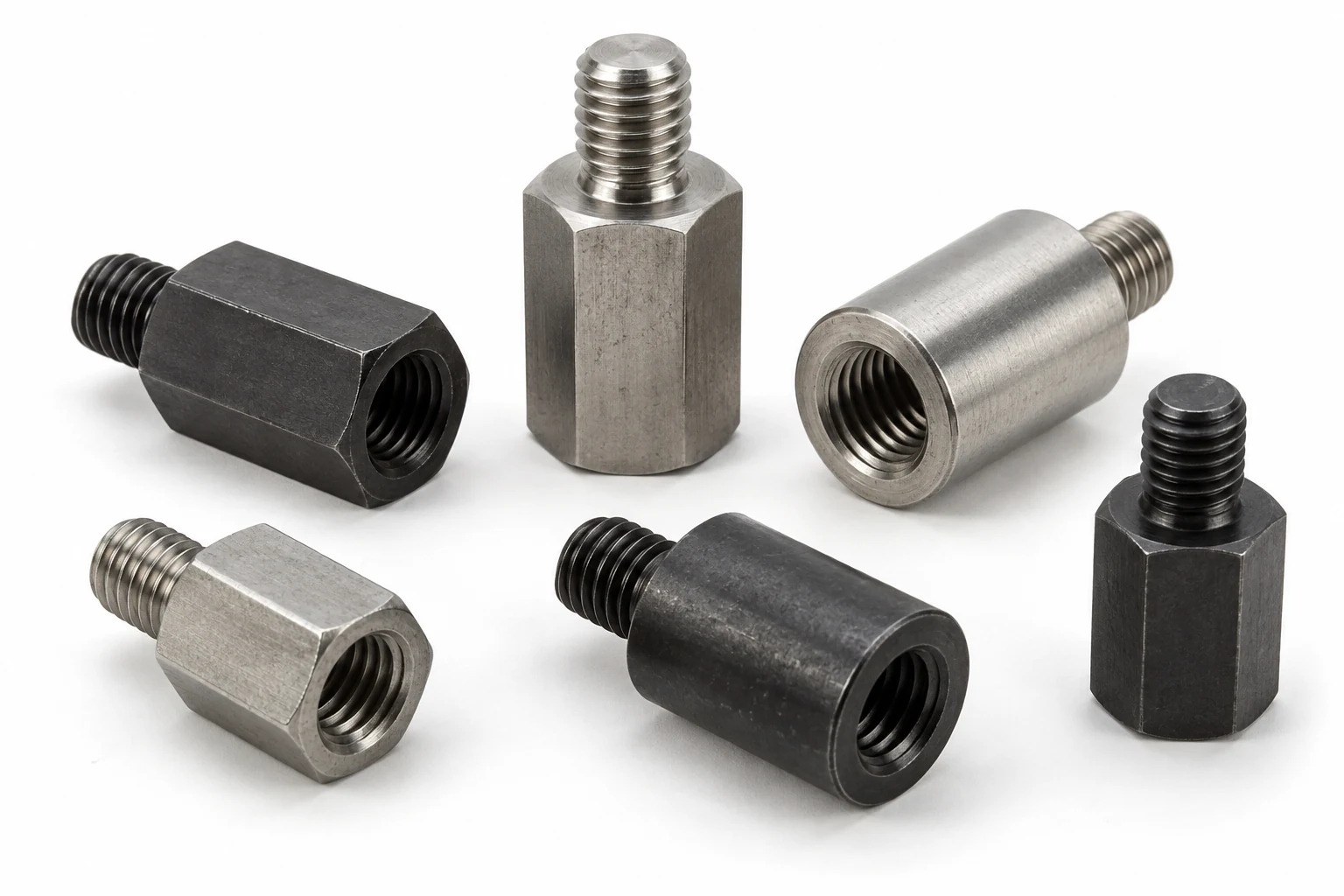
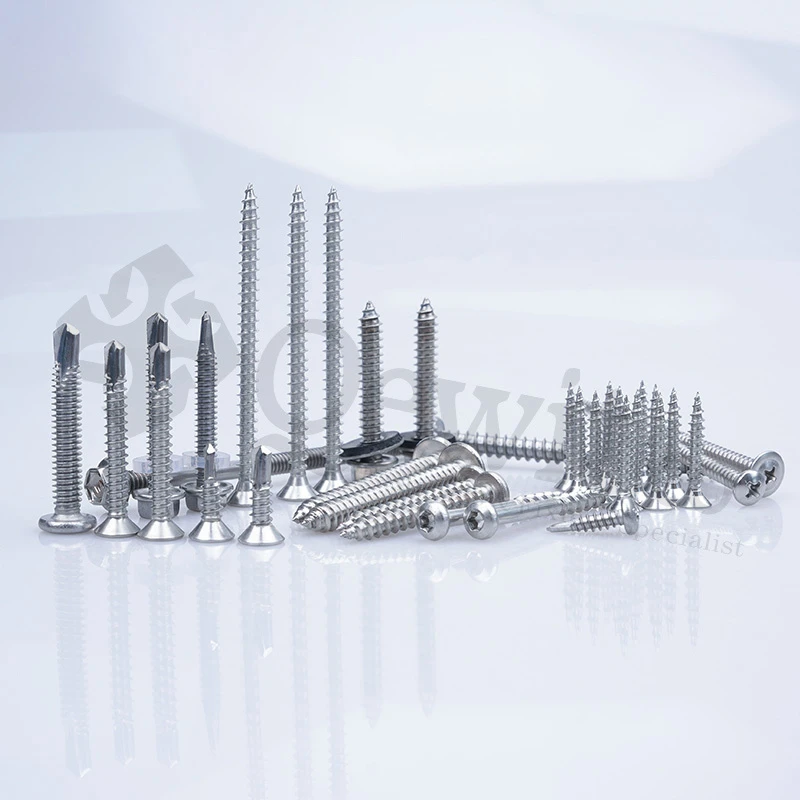
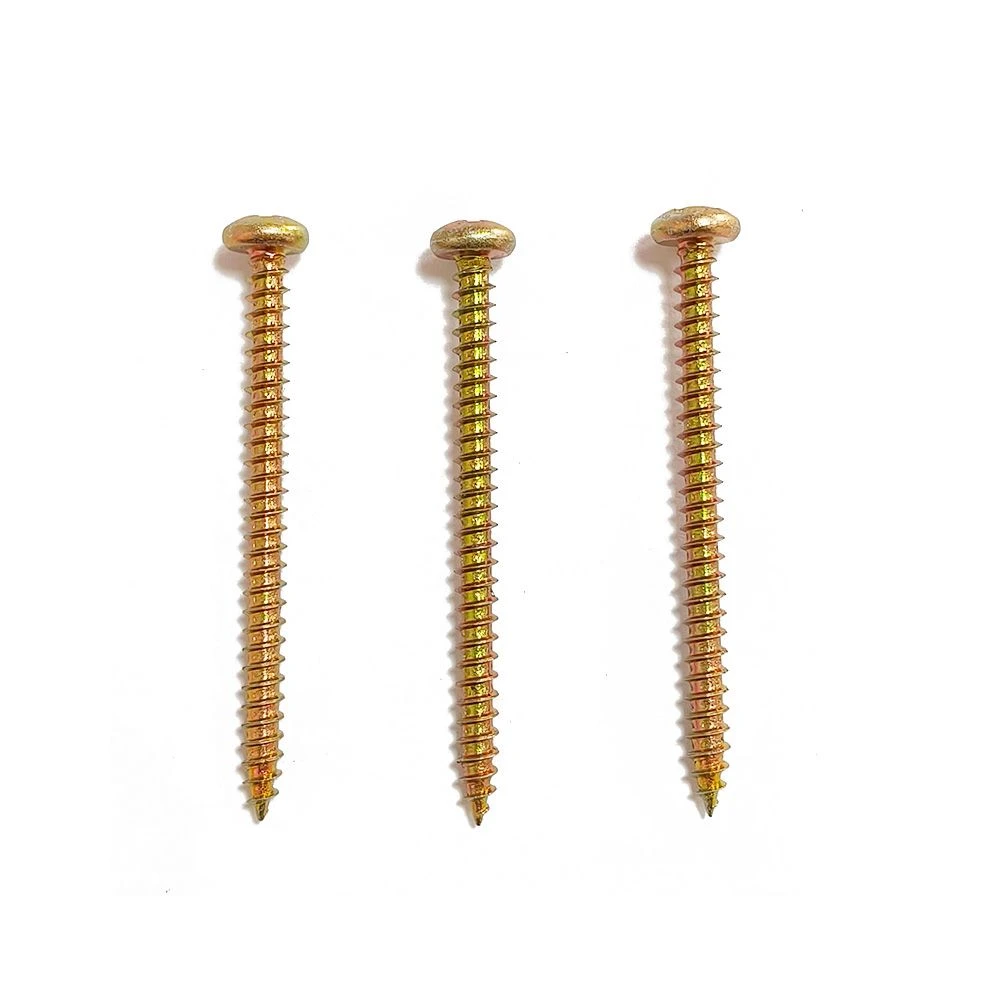
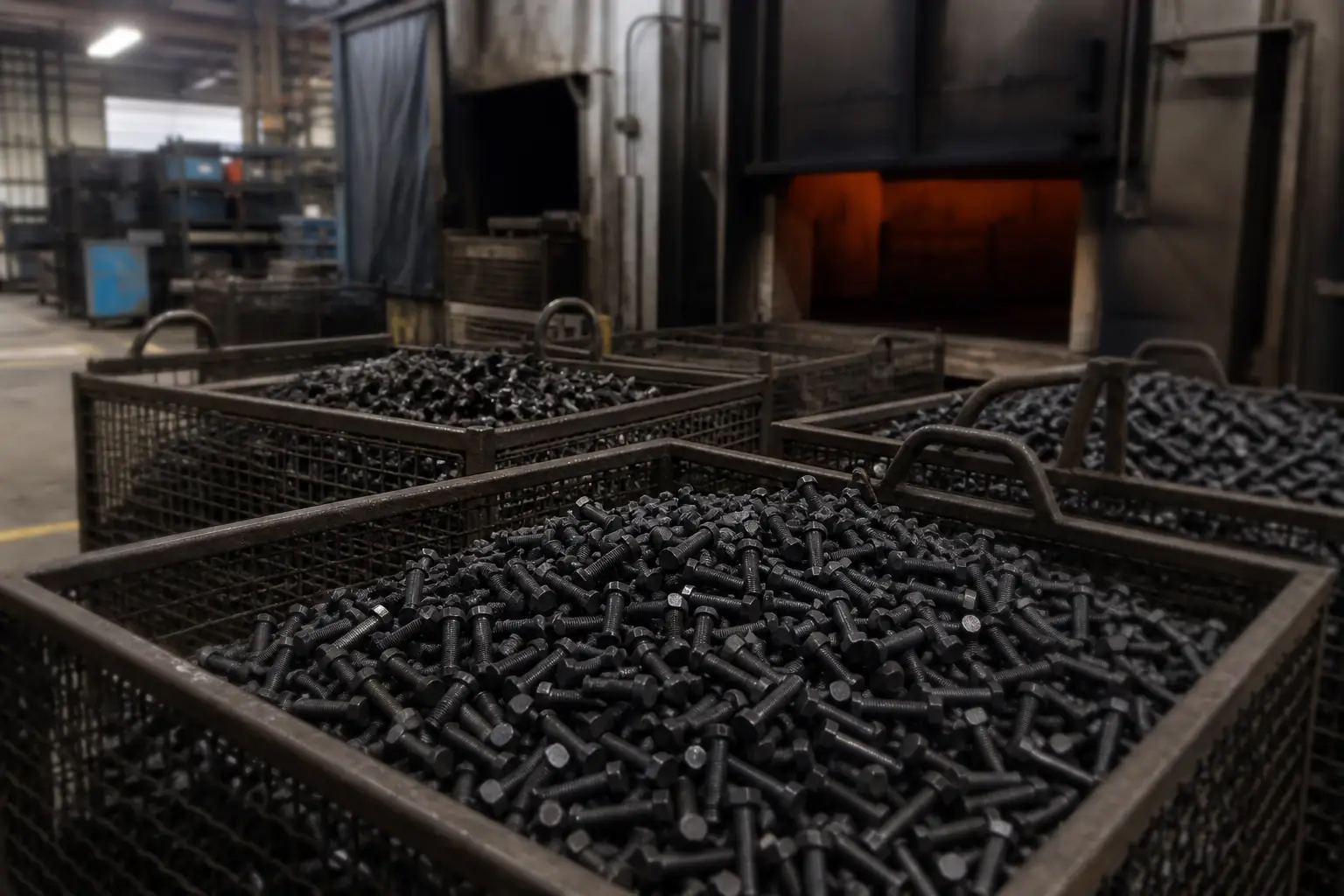
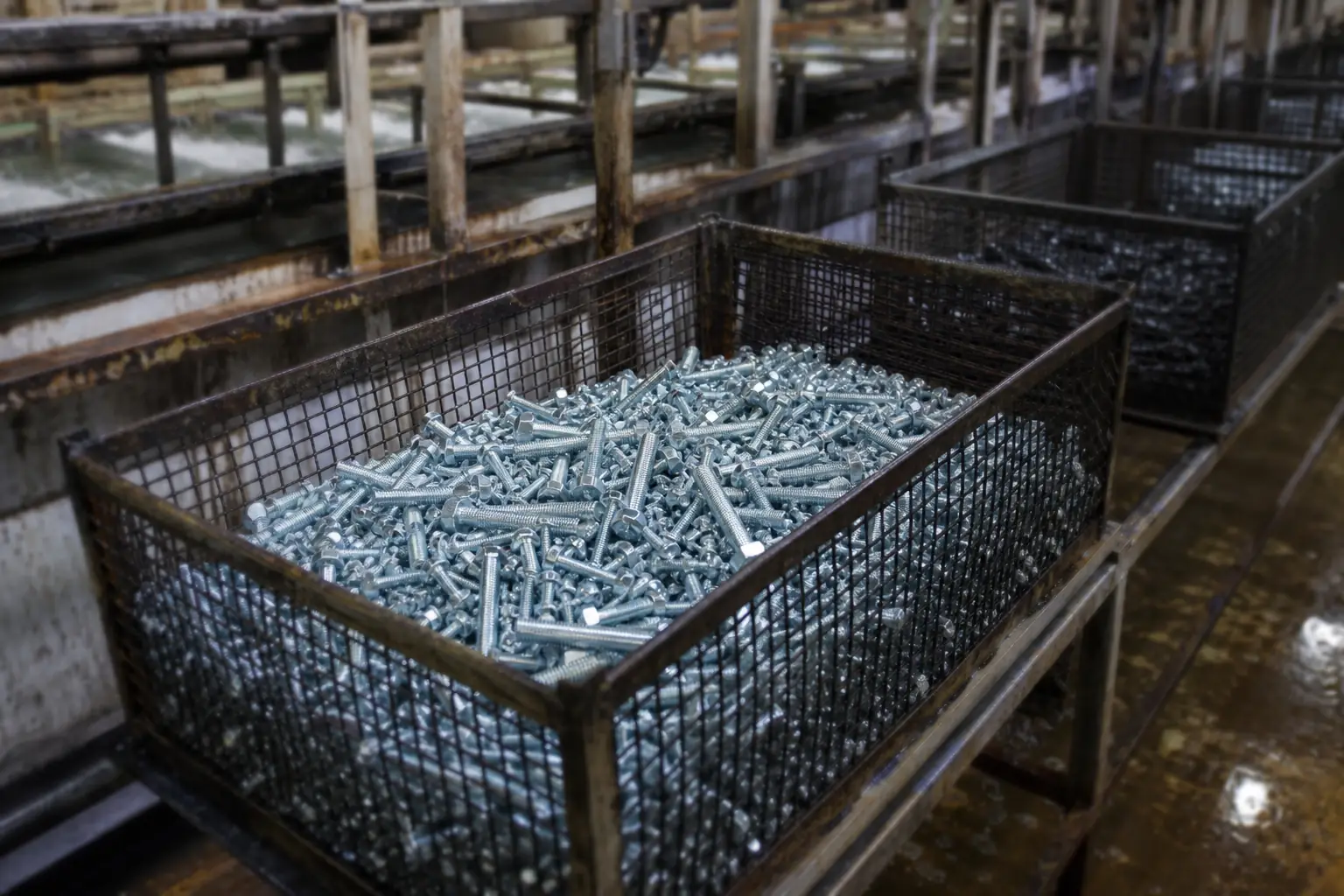
Property Class 12.9 Steel Male-to-Female Thread Adapters are supplied to ISO 898-1 property class 12.9. Corrosion behaviour is requires plating or black-oxide protection, the material is magnetic, and the usable service range is commonly limited to approx. +300 °C; confirm against the coating and the load. In practice this grade is the highest common strength class, for high-load machine assembly.
- Grade
- ISO 898-1 property class 12.9
- Corrosion resistance
- Requires plating or black-oxide protection
- Magnetic response
- Magnetic
- Service temperature
- commonly limited to approx. +300 °C; confirm against the coating and the load
Property values are typical for the grade. Certified mechanical test data is available on request for production orders.
Material page for male-to-female thread adapters in Property Class 12.9 Steel (ISO 898-1 property class 12.9). The sizes below are the ones we supply; there is no published dimensional standard for this article, so the table rather than a standard number is what to quote. Corrosion behaviour is requires plating or black-oxide protection and the service range is commonly limited to approx. +300 °C; confirm against the coating and the load.
Why Choose Property Class 12.9 Steel for Male-to-Female Thread Adapters
The highest common strength class, for high-load machine assembly. For male-to-female thread adapters, this matters when requires plating or black-oxide protection is the primary requirement.
Mechanical & Physical Properties
| Grade designation | ISO 898-1 property class 12.9 |
|---|
| Magnetic response | Magnetic |
|---|
| Service temperature | commonly limited to approx. +300 °C; confirm against the coating and the load |
|---|
| Corrosion characteristic | Requires plating or black-oxide protection |
|---|
Corrosion Behavior in Service
Carbon and alloy steel male-to-female thread adapters require a coating for corrosion protection. Zinc plating (with or without passivation) is the most common; hot-dip galvanizing is used for outdoor structural service; black-oxide is mainly a tarnish-prevention finish for tool-room use.
Comparable Grades
For Male-to-Female Thread Adapters, class 8.8 is the comparable strength step. Move up when the joint preload approaches the proof load of the current class; move down when the joint is over-specified. For corrosion-critical service, switch to stainless A2 or A4.
Sizes of Male-to-Female Thread Adapters Available in Property Class 12.9 Steel
| Male thread example | Female thread example | Female length (in) | Hex length (in) | Across flats (in) | Male length (in) | Material options |
|---|
| M12×1.75 | 1/4-32 UNEF | 3/8 | 1-1/2 | 3/4 | 7/8 | 303 / A2 / A4 stainless; aluminum; black-oxide or zinc-plated steel |
| 1/2-28 UNEF | M6×0.75 | | | | | 303 / A2 / A4 stainless; aluminum; black-oxide or zinc-plated steel |
| 6-32 through 1/2-13 | M4 through M12 | 3/8~1 | 1~2.5 | 3/16~1/2 | | 303 / A2 / A4 stainless; aluminum; black-oxide or zinc-plated steel |
Dimensions are independent of the material: every size above is available in Property Class 12.9 Steel.
Custom manufacturing · Made to drawing
Need this bolt in a grade that is not listed?
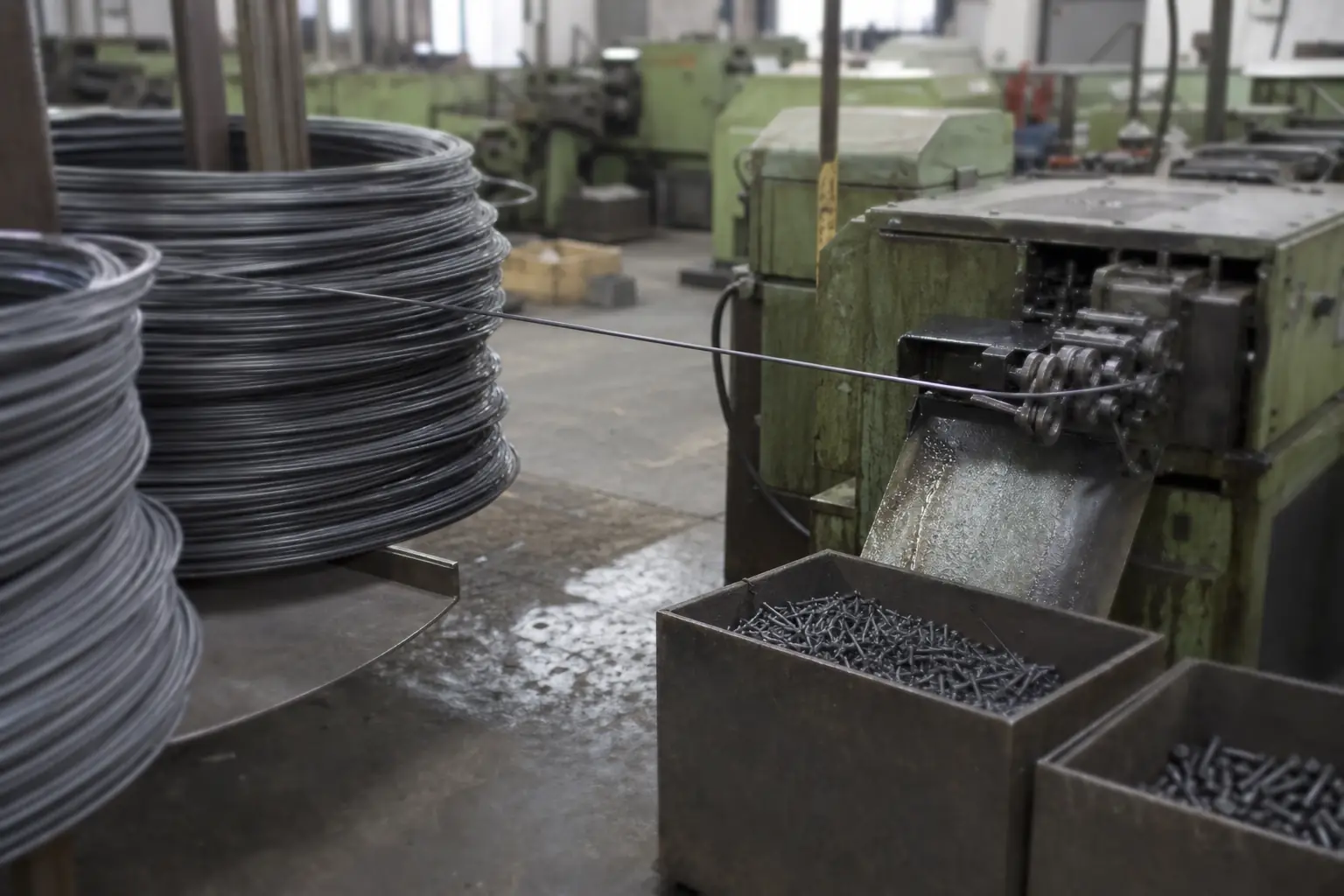
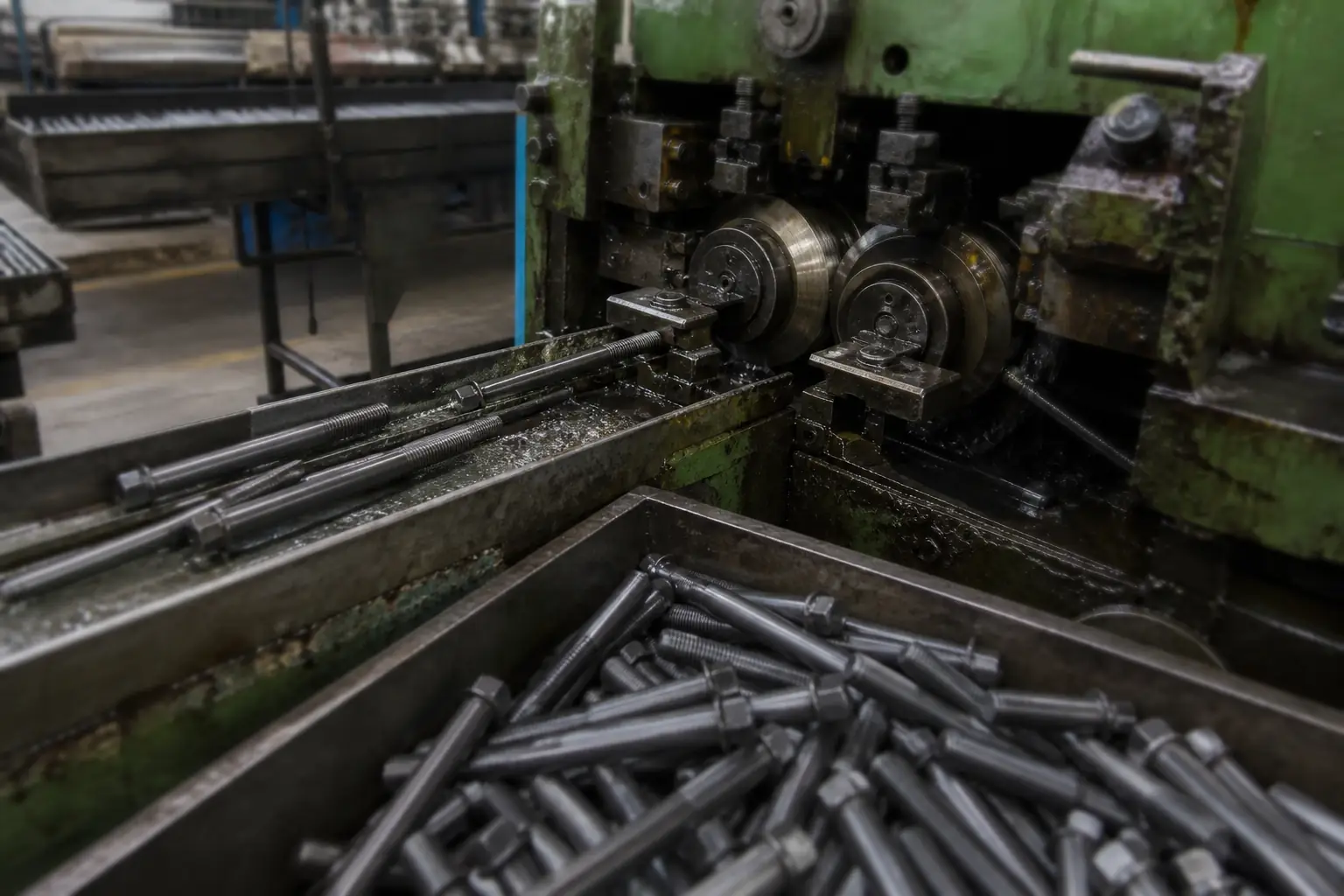
Grade 12 9 Steel is one of the grades the catalog describes. Thread size and pitch, length, property class, drive form, head geometry and head marking are all specifiable — the standard part is where it starts, not where it stops. Made by cold heading or hot forging.
Minimum order from 2,000 pieces; samples within 7 days of drawing approval.
Custom bolt manufacturingSend a drawing
Applications & Industries
The sectors that buy Male-to-Female Thread Adapters, and the duty each one buys them for. Stocked from M12×1.75 to 6-32 through 1/2-13 (screw size).
Industries that specify Male-to-Female Thread Adapters
-
Instrumentation
Hex bodies provide wrench access between metric and inch fittings.
-
Repair fabrication
Adapters avoid remachining a replacement part when the threads differ.
-
Machine assembly
303 or A2/A4 stainless options suit clean or corrosive environments.
-
Test fixtures
Male-to-female adapters bridge incompatible thread systems during equipment integration.
-
Automotive & transport
Chassis, driveline and body fixings that see vibration and are assembled to a controlled preload.
-
Steel fabrication
Bolted connections in frames, enclosures, walkways and weldments, on the bench and on site.
Typical applications
- using the hex body for installation and removal
- checking male and female pitch independently
- selecting adapter length and across-flats for the available clearance
- joining a male metric thread to a female inch thread
- bolting brackets, motors and gearboxes to a frame
- assemblies that are dismantled for service and re-torqued
Service conditions to specify against
- Marine and coastal
- Available in A4 (316) stainless for chloride exposure — coastal structures, pool halls, water treatment and deck hardware, where A2 will eventually pit.
- High load
- Supplied in ISO 898-1 property classes, so the joint can be designed to a stated proof load and tightened to a calculated torque rather than by feel.
- Torque and preload
- The joint is designed around bolt tension, so lubrication, coating and the friction coefficient all change the torque figure — state them together.
Where to use something else
- Do not force unlike thread forms together; verify pitch, diameter, class and sealing method before tightening.
- Do not use a machine thread into unthreaded sheet or timber; use a tapping screw, rivet nut or insert made for that parent material.
Full application guide: where Male-to-Female Thread Adapters are used, how to specify them, and the cases they are wrong for