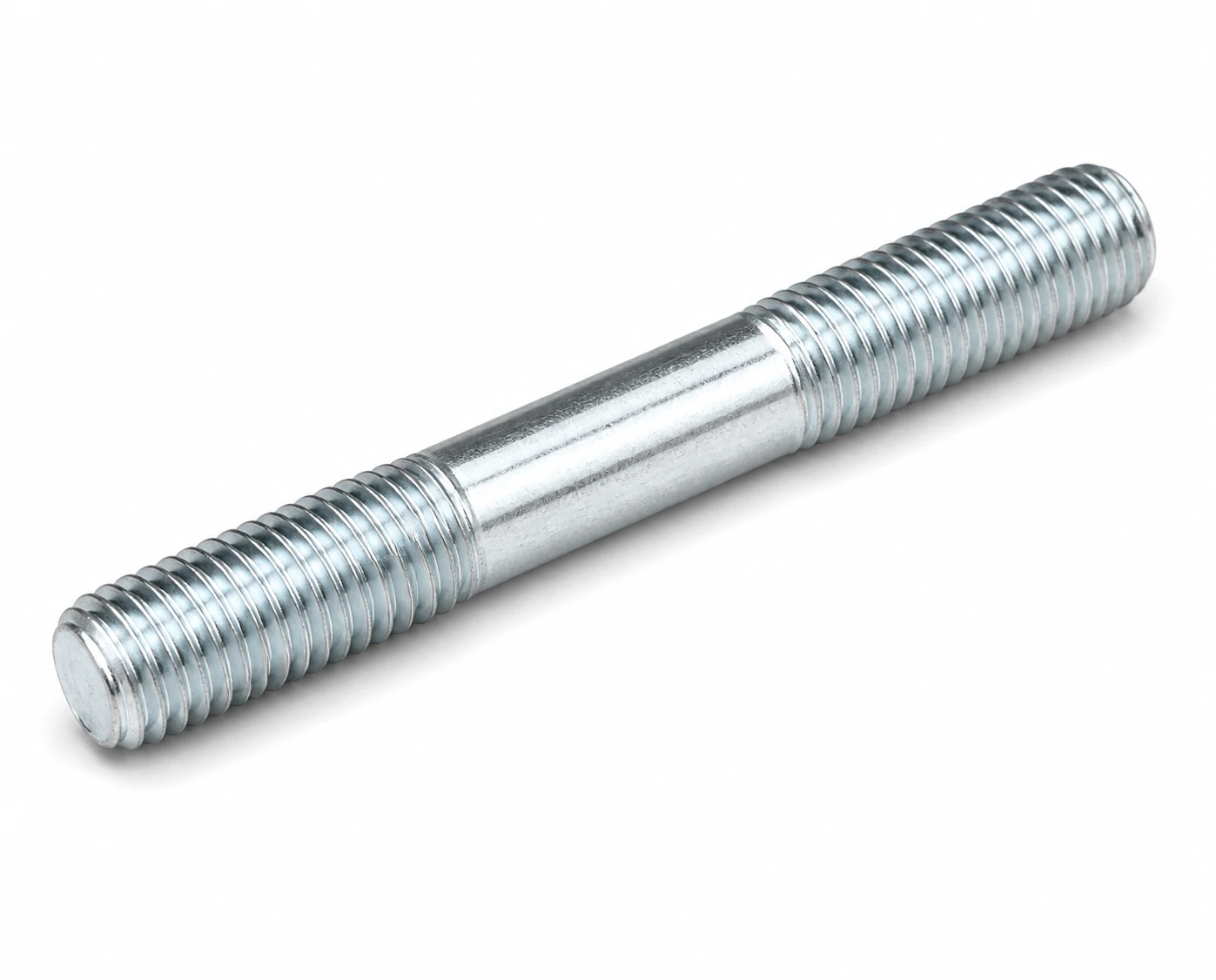
M14 Stud / Threaded Rod (ISO / DIN) are specified by thread size, length and head dimensions. The M14 row from the standard is reproduced below, followed by the drill sizes, spanner size and torque values used when installing this size.
M14 Dimensional Row (ISO / DIN)
| Thread size | Pitch (mm) | Length L (mm) | Engagement depth bm (mm) | Material | Reference standard |
|---|---|---|---|---|---|
| M14 | 2.0 | 120 | 21 | Cl. 8.8 alloy steel | DIN 939 / GB/T 901 |
Hole Sizes for M14
| Coarse-thread pitch (ISO 724) | 2 mm |
|---|---|
| Through-hole / clearance (ISO 273 medium) | 15.5 mm |
| Tapping drill, coarse thread | 12 mm |
Tightening Torque for M14
| Class 8.8 (dry, ~µ 0.125) | ≈ 134 Nm |
|---|---|
| Class 10.9 (dry, ~µ 0.125) | ≈ 197 Nm |
| Class 12.9 (dry, ~µ 0.125) | ≈ 231 Nm |
Indicative dry-joint values. Lubrication can lower the required torque by 15–25%. Always confirm against the joint design, especially when going up a strength class.
Proof Load & Strength for M14
| Tensile stress area As (ISO 724) | 115 mm² |
|---|---|
| Proof load, class 8.8 | 67 kN |
| Proof load, class 10.9 | 96 kN |
| Proof load, class 12.9 | 112 kN |
| Min. ultimate tensile load, class 8.8 | 92 kN |
Proof load = tensile stress area × the proof stress Sp of the class, per ISO 898-1 — Sp is a lower figure than the yield stress Rp0.2 and the two are not interchangeable. The stress area is computed from this size's own diameter and pitch, so a fine-pitch designation gives the fine-pitch figure. Design the joint so the working preload stays below the proof load of the class selected.
Mating Parts for M14
For M14, pair with a M14 hex nut (ISO 4032 / DIN 934) and, where used, a M14 flat washer (ISO 7089 / DIN 125A) under the head and under the nut.
Custom manufacturing · Made to drawing
Need stud / threaded rod in a size this table does not list?
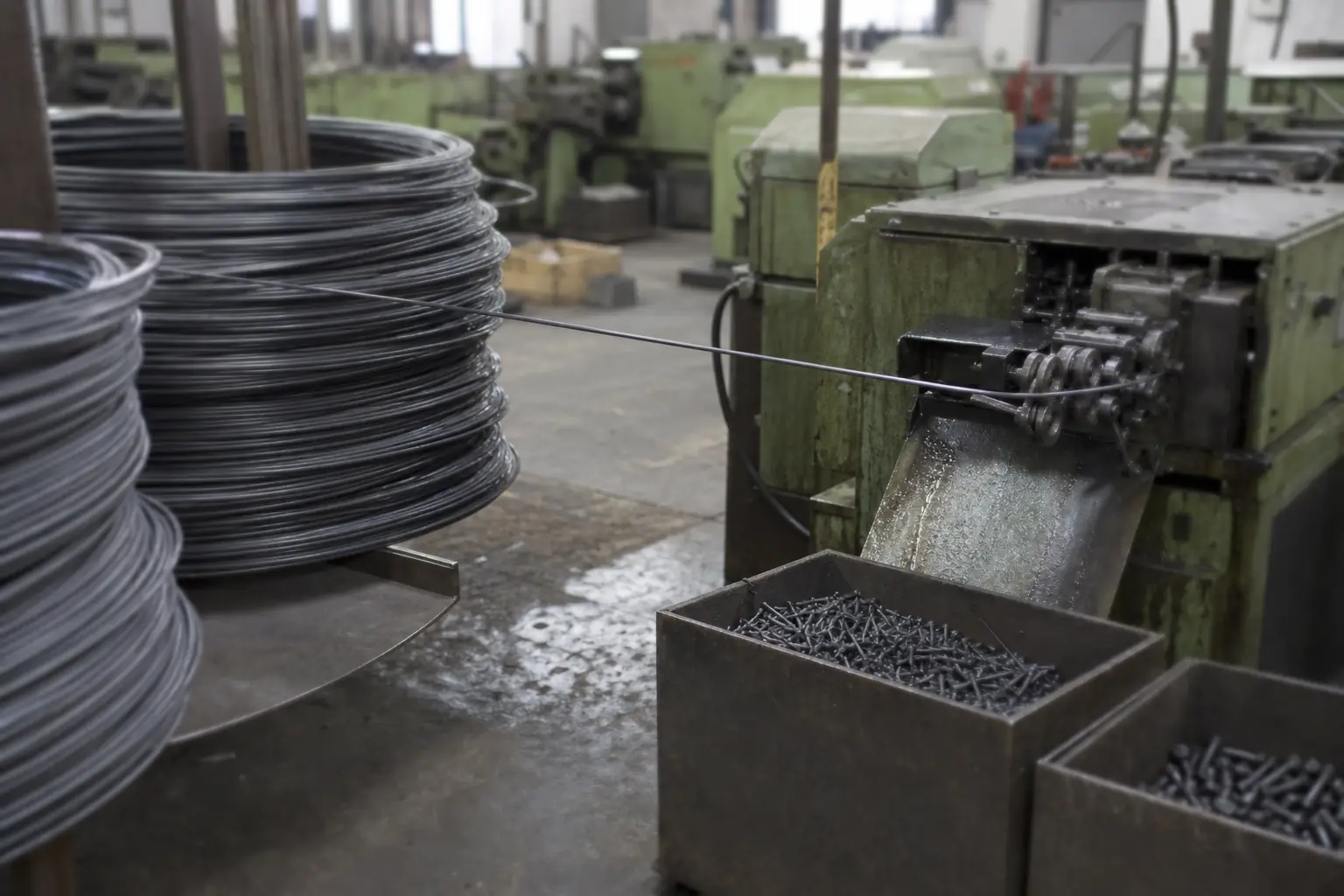
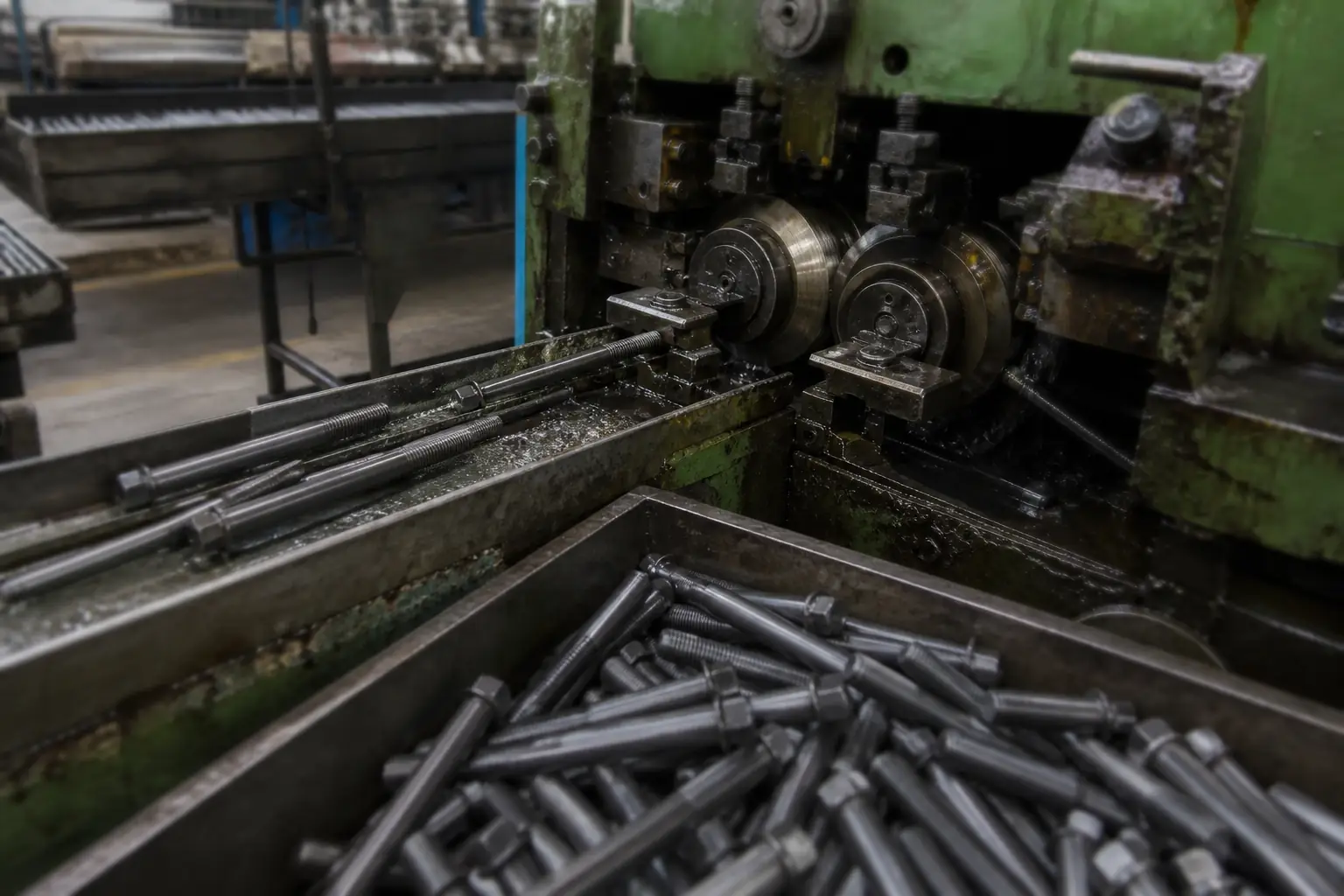
This page covers M14 stud / threaded rod. A non-standard bolt is quoted from the drawing; where one already exists in the catalog, the special is usually a variation on its tooling. Made by cold heading or hot forging.
Minimum order from 2,000 pieces; samples within 7 days of drawing approval.