M3 Hex Bolt (GB/T 5783 / ISO 4017) are specified by thread size, length and head dimensions. The M3 row from the standard is reproduced below, followed by the drill sizes, spanner size and torque values used when installing this size.
M3 Dimensional Row (GB/T 5783 / ISO 4017)
| Size | Pitch (mm) | Nominal diameter d (mm) | Length L (mm) | Width across flats s (mm) | Width across corners e (mm) | Head height k (mm) |
|---|---|---|---|---|---|---|
| M3 | 0.5 | 3 | 20 | 5.5 | 6.01 | 2.0 |
Spanner & Drive for M3 Hex Bolt — GB/T 5783 / ISO 4017 (Series 010)
M3 Hex Bolt — GB/T 5783 / ISO 4017 (Series 010) have a width across flats of 5.5 mm — fit a 5.5 mm open-ended spanner or socket. A 6-point socket grips all six flats of the 5.5 mm hex and is what to reach for once a fastener has been on and off a few times; a 12-point ring spanner starts rounding a worn head. For repeatable preload, torque rather than feel.
Hole Sizes for M3
| Coarse-thread pitch (ISO 724) | 0.5 mm |
|---|---|
| Through-hole / clearance (ISO 273 medium) | 3.4 mm |
| Tapping drill, coarse thread | 2.5 mm |
Tightening Torque for M3
| Class 8.8 (dry, ~µ 0.125) | ≈ 1.3 Nm |
|---|---|
| Class 10.9 (dry, ~µ 0.125) | ≈ Nm |
| Class 12.9 (dry, ~µ 0.125) | ≈ 2.2 Nm |
Indicative dry-joint values. Lubrication can lower the required torque by 15–25%. Always confirm against the joint design, especially when going up a strength class.
Proof Load & Strength for M3
| Tensile stress area As (ISO 724) | 5 mm² |
|---|---|
| Proof load, class 8.8 | 2.9 kN |
| Proof load, class 12.9 | 4.9 kN |
| Min. ultimate tensile load, class 8.8 | 4 kN |
Proof load = tensile stress area × the proof stress Sp of the class, per ISO 898-1 — Sp is a lower figure than the yield stress Rp0.2 and the two are not interchangeable. The stress area is computed from this size's own diameter and pitch, so a fine-pitch designation gives the fine-pitch figure. Design the joint so the working preload stays below the proof load of the class selected.
M3 Hex Bolt — GB/T 5783 / ISO 4017 (Series 010) Weight
A steel M3 hex bolt at the listed 20 mm length weighs approximately 1.5 g each — about 1.5 kg per 1,000 pieces. Stainless A2/A4 weighs roughly the same (density 7.9–8.0 g/cm³).
Actual weight varies slightly with head form, thread and finish; use this figure for freight estimation only.
Mating Parts for M3
For M3, pair with a M3 hex nut (ISO 4032 / DIN 934) and, where used, a M3 flat washer (ISO 7089 / DIN 125A) under the head and under the nut.
When to Step Up or Down from M3
When the joint preload approaches the proof load of M3 class 8.8, step up to M4 class 8.8 (or move to M3 class 10.9). When the joint is over-specified, M2 often saves weight and cost without losing the safety margin.
Custom manufacturing · Made to drawing
Need hex bolt in a size this table does not list?
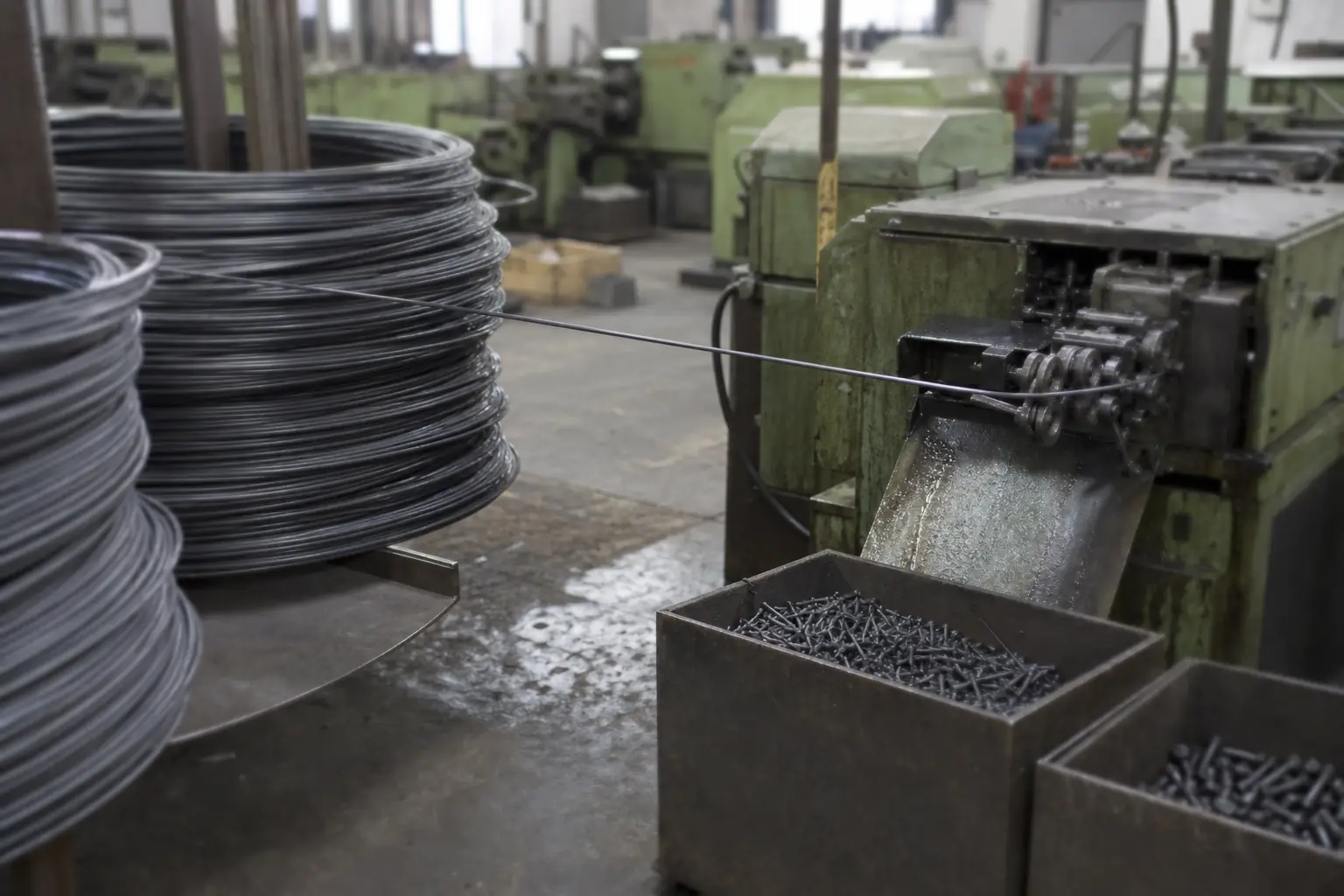
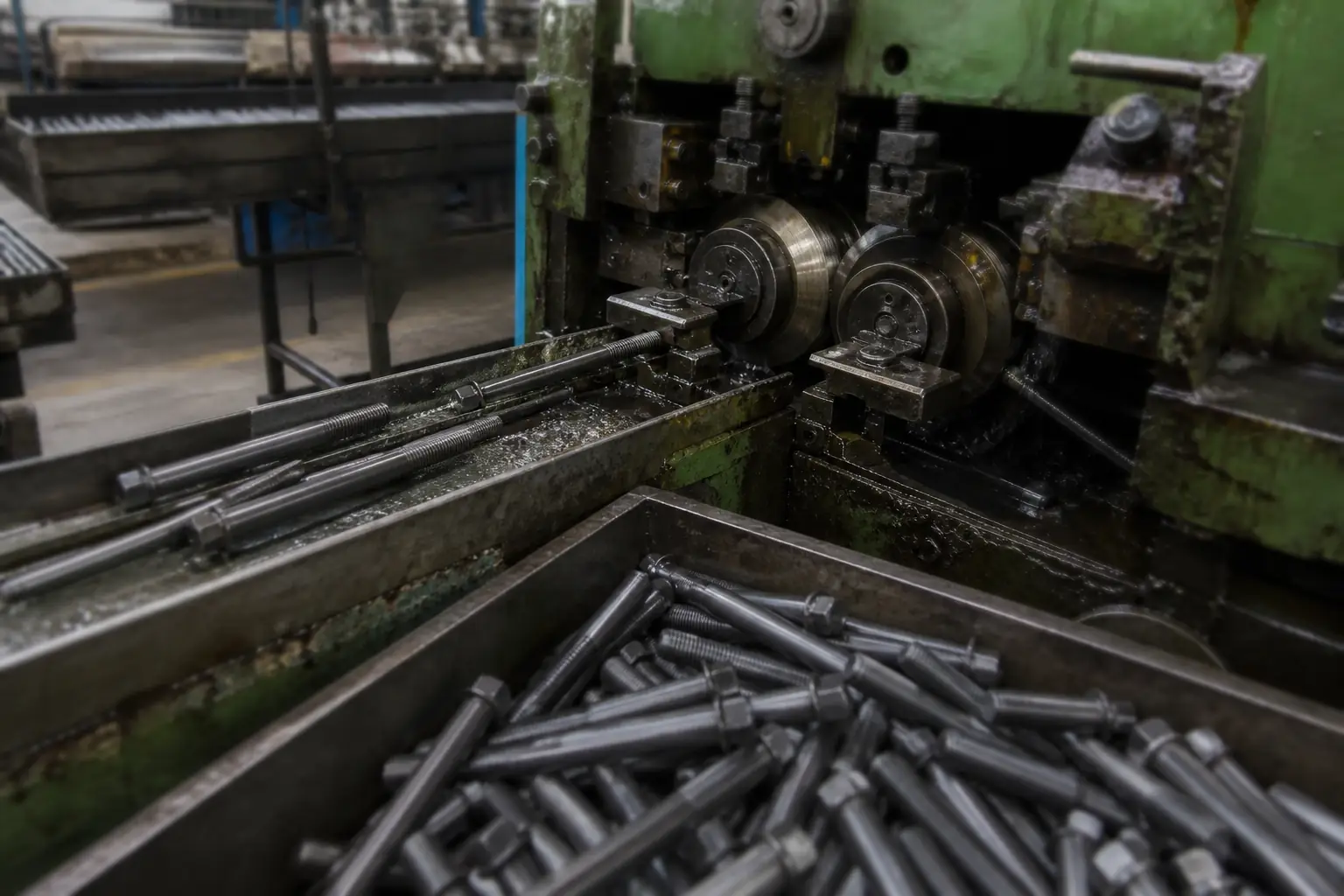
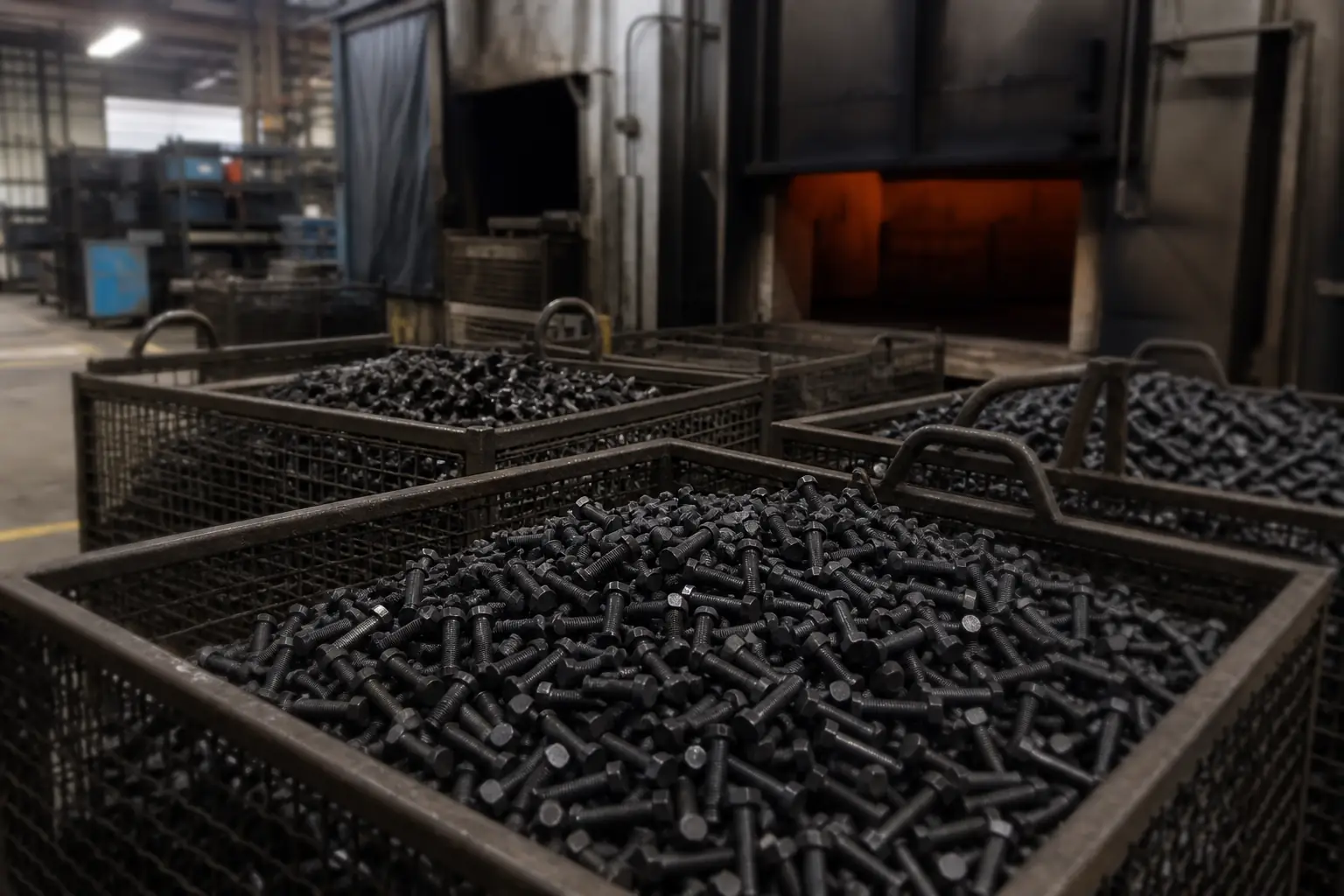
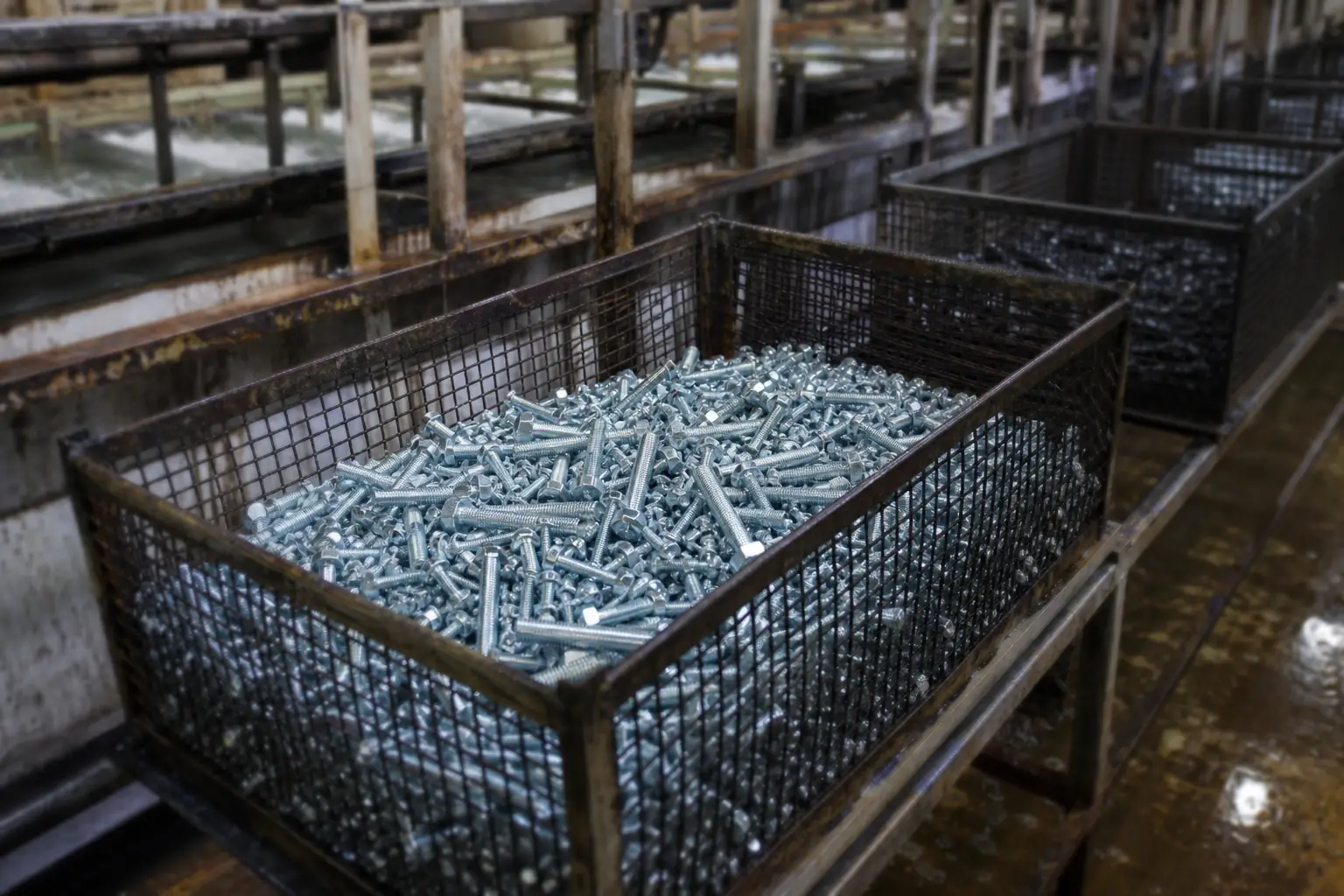
This page covers M3 hex bolt. Where the standard stops, the drawing takes over: fine pitches, left-hand threads, partial threading, and property classes above the catalogued grade where material and heat treatment allow. Made by cold heading or hot forging.
Minimum order from 2,000 pieces; samples within 7 days of drawing approval.