
Skip to content

Bolts · ISO / DIN

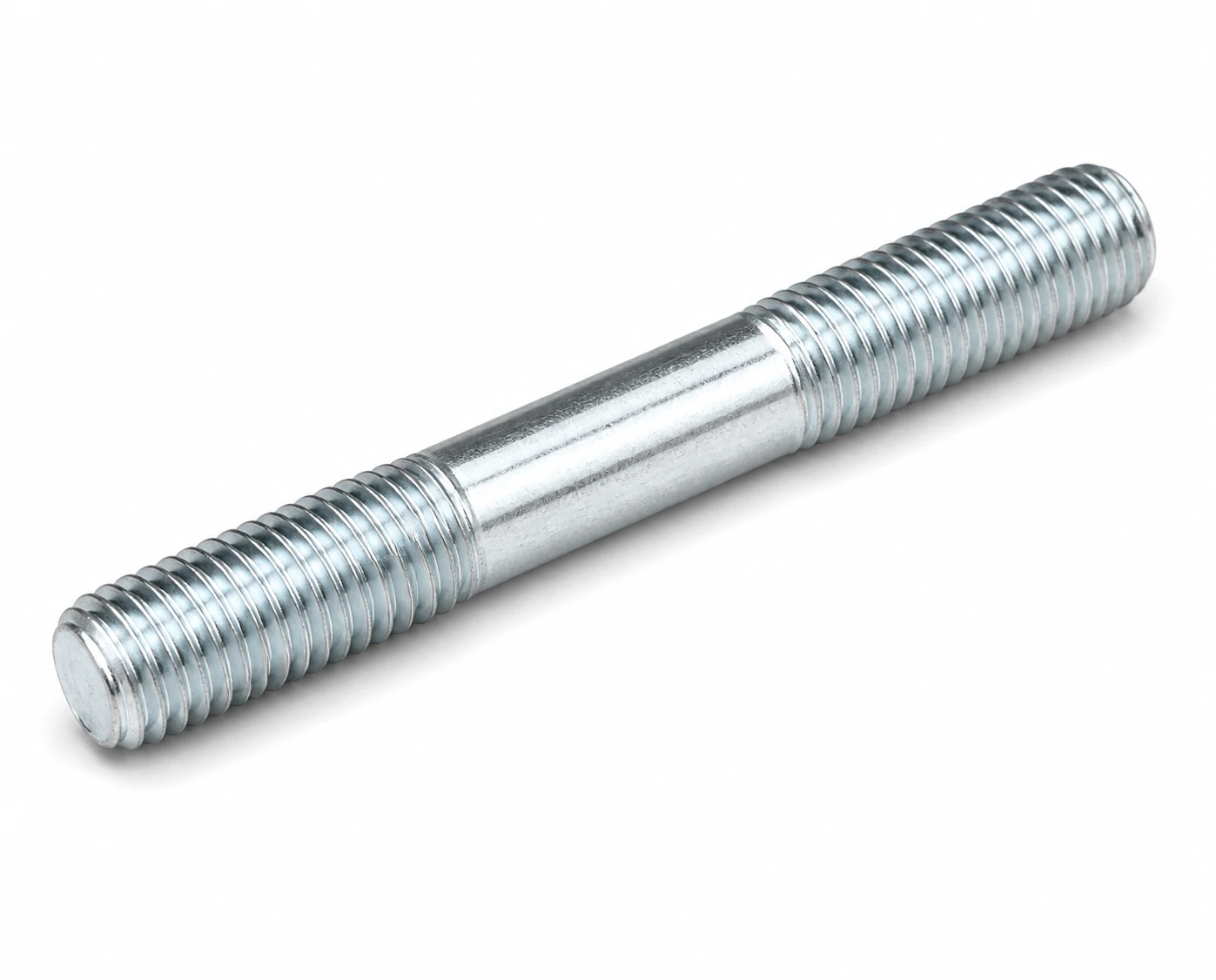
ISO Threaded Rod — ISO / DIN (Series 153)

For Threaded Rod — ISO / DIN (Series 153), ISO defines dimensions, tolerances and product grades. The sections below describe its scope, what it does NOT cover, and the equivalents across DIN, ISO and ASME.

ISO — Scope

ISO specifies the dimensions and tolerances of threaded rod — iso / din (series 153). Material, property class, surface finish and packaging are governed by separate documents in the same standards family (for example ISO 898-1 for the mechanical property classes of bolts and screws).

Tolerance & Product Grades

ISO, alongside the related ISO / DIN entries on this site, specifies product grades (typically A or B for fine work and C for general engineering) and tolerance classes for the controlling dimensions. Choose the grade against the precision your application requires.

Dimensions Specified by ISO

Thread sizePitch (mm)Length L (mm)Engagement depth bm (mm)MaterialReference standard
M61.0508Cl. 8.8 alloy steelDIN 939 / GB/T 901
M81.256010Cl. 8.8 alloy steelDIN 939 / GB/T 901
M101.58015Cl. 8.8 alloy steelDIN 939 / GB/T 901
M121.7510018Cl. 8.8 alloy steelDIN 939 / GB/T 901
M142.012021Cl. 8.8 alloy steelDIN 939 / GB/T 901
M162.015024Cl. 8.8 alloy steelDIN 939 / GB/T 901
M202.518030Cl. 8.8 alloy steelDIN 939 / GB/T 901
M243.020036Cl. 8.8 alloy steelDIN 939 / GB/T 901
M303.524045Cl. 8.8 alloy steelDIN 939 / GB/T 901
M364.028054Cl. 8.8 alloy steelDIN 939 / GB/T 901

Equivalent Standards

Where direct equivalents exist (ISO ↔ DIN, ISO ↔ ASME), they are listed on the parent Threaded Rod — ISO / DIN (Series 153) page. Always confirm against the dimensions on this page, since some "equivalent" standards differ in tolerances and head geometry.

When to Specify ISO

Choose ISO for international engineering work and OEM supply where ISO standards are the contractual reference. It is the default modern specification for threaded rod — iso / din (series 153).

Technical Drawing

Customize the parameters below — every spec field is editable, and the drawing redraws to match the values you choose. Changing the size will snap the other fields to that size's standard values; you can then override any individual value.

Sends the selected values to the quote form below.

Request a Quote

Adjust the parameters in the drawing above and click "Request this configuration" to send the exact specification straight to this form.

Request a Quotation

Specification
Business Information

Dimensions & Specifications (ISO / DIN)

Thread sizePitch (mm)Length L (mm)Engagement depth bm (mm)MaterialReference standard
M61.0508Cl. 8.8 alloy steelDIN 939 / GB/T 901
M81.256010Cl. 8.8 alloy steelDIN 939 / GB/T 901
M101.58015Cl. 8.8 alloy steelDIN 939 / GB/T 901
M121.7510018Cl. 8.8 alloy steelDIN 939 / GB/T 901
M142.012021Cl. 8.8 alloy steelDIN 939 / GB/T 901
M162.015024Cl. 8.8 alloy steelDIN 939 / GB/T 901
M202.518030Cl. 8.8 alloy steelDIN 939 / GB/T 901
M243.020036Cl. 8.8 alloy steelDIN 939 / GB/T 901
M303.524045Cl. 8.8 alloy steelDIN 939 / GB/T 901
M364.028054Cl. 8.8 alloy steelDIN 939 / GB/T 901

Frequently Asked Questions

What product grades does ISO define?

ISO typically distinguishes product grades for precision (A/B) and general engineering (C). The selection for Threaded Rod — ISO / DIN (Series 153) depends on the precision your application requires.

Does ISO specify the mechanical strength?

No. ISO controls only the geometry of threaded rod — iso / din (series 153). The mechanical strength is set by ISO 898-1 (bolts / screws) or ISO 898-2 (nuts), and the finish is governed by separate standards.

Can I substitute ISO for the corresponding DIN standard on a drawing?

On modern drawings the ISO standard is the master reference; the older DIN equivalent is a cross-reference. For most dimensional purposes the parts are interchangeable, but check tolerance grades and the head height — these are the most common points of divergence.

When did ISO last revise its dimensional table?

ISO standards for threaded rod — iso / din (series 153) are reviewed on roughly a five-year cycle. Always reference the latest published edition (or the edition cited contractually); the dimensional table on this page reflects the current commercially-supplied form.

How do I request a quotation?

Use the technical drawing on this page to pick the exact configuration, then submit it with the quote form. We respond within one business day.