
Fastener Industry Faces Mounting International Certification Hurdles
Divergent national and international standards for fasteners create compliance hurdles for manufacturers and distributors, affecting global supply chains.
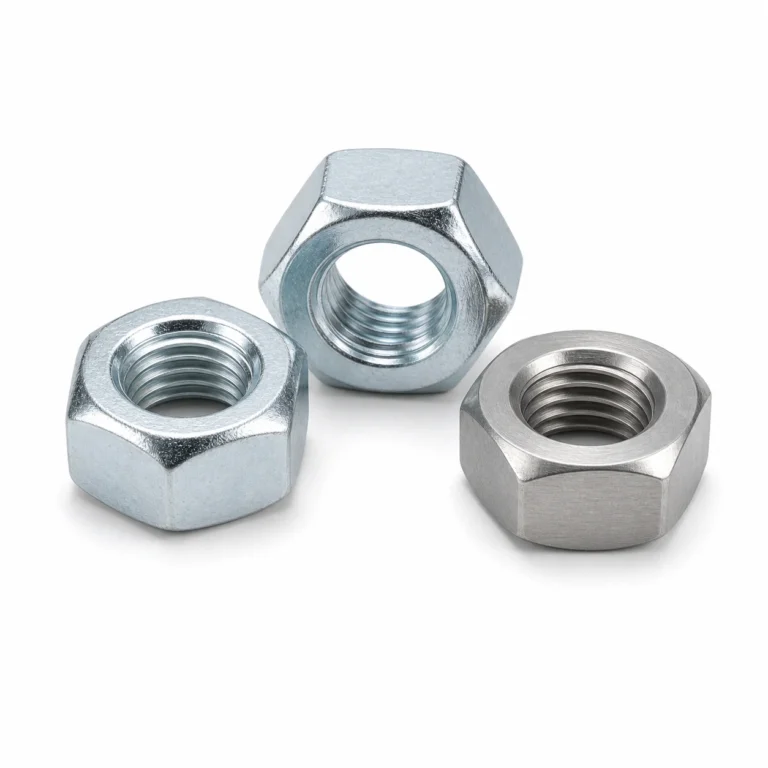
Global trade in mechanical fasteners has exposed manufacturers to an increasingly fragmented landscape of certification requirements. Companies that produce bolts, screws, and nuts must now navigate a complex web of standards issued by bodies such as the International Organization for Standardization (ISO), the Deutsches Institut für Normung (DIN), and ASTM International, each with its own testing protocols and documentation demands. This regulatory patchwork not only raises costs but also delays time‑to‑market and heightens supply‑chain risks.
Proliferation of Standards Across Markets
Fastener specifications are rarely identical from one country to the next. A hex bolt destined for machinery in Germany may need to meet DIN 931, while the same part sold in North America must comply with ASTM F606 test methods. Dimensional standards add another layer of complexity: Hex Bolts — ISO 4014 / ISO 4017 define international geometries, yet region‑specific variants often take precedence in local procurement. The absence of a single universally accepted standard forces manufacturers to maintain multiple production lines and inventory streams, raising operational overhead.

Testing and Compliance Bottlenecks
Beyond dimensional conformity, mechanical properties are critical for safety. Bolt Property Classes — ISO 898-1 govern strength grades for carbon steel bolts, but certifying these properties requires accredited laboratory tests that can vary by jurisdiction. A product tested to ISO 898-1 may still need supplementary testing to satisfy, for example, Japanese JIS or American SAE norms. Thread parameters add yet another compliance layer; Metric Thread Dimensions — ISO 724 provide the baseline, yet deviations in pitch or profile tolerance can trigger non‑conformance in tightly regulated end‑user industries such as aerospace and automotive.
Documentation requirements further strain resources. Many importers now demand full material traceability, third‑party inspection certificates according to EN 10204 type 3.1 or 3.2, and digital declarations of performance. Smaller workshops often lack the administrative infrastructure to generate these records efficiently, leading to shipment delays or rejected consignments.
Supply Chain Risks from Non‑Certified Products
The pressure to cut costs has occasionally led to the infiltration of non‑certified or counterfeit fasteners into legitimate supply chains. In critical applications—from bridge construction to wind turbine assembly—failing bolts can have catastrophic consequences. This risk underscores the importance of robust certification regimes, yet overly burdensome procedures can inadvertently push some buyers toward unverified sources. Striking a balance between rigorous oversight and practical accessibility remains a central challenge for regulators and industry bodies.
Regional Variations and Market Access
Market access often hinges on a product’s ability to meet local certification marks. The European Union’s CE marking for construction products, for instance, requires compliance with harmonised EN standards that may not be recognised elsewhere. In the United States, approvals from bodies like UL or the International Code Council (ICC) add a distinct set of hurdles. Meanwhile, emerging economies are increasingly developing their own national fastener standards, further fragmenting the global compliance map. Fastener suppliers must therefore maintain a deep working knowledge of the regulatory environment in every target market, a task that demands continuous investment in training and quality assurance systems.
The Role of Digital Documentation
Digitalisation offers a partial remedy. Electronic certificates and blockchain‑based traceability platforms can reduce paperwork errors and speed up customs clearance. Industry consortia are actively piloting solutions that allow test reports to be shared instantly across borders via cloud platforms. However, adoption remains uneven, with many smaller trading partners still relying on paper‑based processes. As Fastener + Fixing Magazine has regularly highlighted, harmonising data formats and achieving mutual recognition of digital documents are prerequisites for streamlining international certification.
Despite these efforts, the path to global harmonisation is long. Until a unified international certification framework gains widespread acceptance, fastener businesses will continue to expend significant resources bridging the gap between competing national rulebooks.
| Standard | Organization | Region/Scope | Key Focus |
|---|---|---|---|
| ISO 898-1 | ISO | International | Mechanical properties of carbon steel bolts |
| ISO 4014 | ISO | International | Dimensional specs for hex bolts |
| DIN 931 | DIN | Germany/Europe | Partially threaded hex head bolts |
| ASTM F606 | ASTM | USA | Test methods for mechanical fasteners |
| ISO 4032 | ISO | International | Hexagon regular nuts |
| ISO 724 | ISO | International | Metric thread dimensions |
The industry continues to call for greater alignment between these standards to ease trade friction and improve product safety worldwide.
Why This Matters
Harmonizing international certification processes is critical for reducing trade barriers, simplifying compliance, and ensuring fastener quality in safety-critical industries such as automotive and construction.
Sources
- International Organization for Standardization (ISO) (iso.org)
- Deutsches Institut für Normung (DIN) (din.de)
- ASTM International (astm.org)
- Fastener + Fixing Magazine (fastenerandfixing.com)
Source: Fastener + Fixing Magazine
FAQ
Is Fastener + Fixing Magazine the only source for this fastener story?
Fastener + Fixing Magazine is the outlet attached to this item, but it should not be the only reference for an important development. Comparing it with other independent reports gives a fuller and more reliable picture.
What is this fastener story about?
It summarises a recent development in fastener, drawing on the original reporting. The key facts — who is involved, what changed and any figures or dates attached — are highlighted so the story is quick to grasp.
Why does this fastener development matter?
The significance lies in what it signals: a notable figure, a decision, or a shift that affects the people, places or organisations named. Those are the points worth following as the story continues.
How current is this fastener information?
This article was published on July 31, 2026. News changes quickly, so use it as a starting point and check the named source for later corrections, revised figures or follow-up reporting.
Is this fastener report confirmed?
It reflects what the cited reporting stated at the time, which can be preliminary. For anything consequential, comparing two or more independent reports is the most reliable way to confirm the details.
Who and where is involved in this fastener story?
The article identifies the main organisations, people and locations tied to the development. Those named entities are the anchors for following how the story evolves across later coverage.