
Light-Duty Fixings Evolve Into High-Spec Assembly Solutions
Modern light-duty fasteners have moved beyond simple hardware to become precision-engineered components for everything from electronics to medical devices, driven by advanced materials and strict global standards.
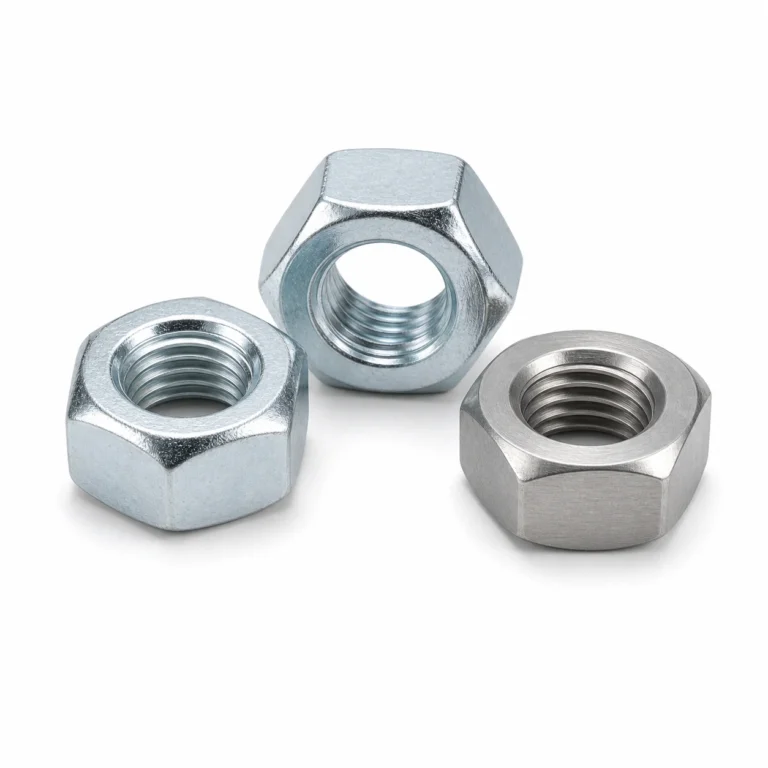
For years, light-duty fasteners were viewed as purely utilitarian—the simple screws and nuts holding together low-stress household items and basic fixtures. That perception has shifted dramatically. Modern light-duty fixings now encompass a broad spectrum of engineered components, meeting demands for precision, reliability, and versatility in industries ranging from consumer electronics to medical devices. What once seemed like a commodity category is now a field driven by material science, exacting standards, and application-specific design.
Precision Engineering for Everyday Connections
The term “light-duty” belies the sophistication embedded in today’s offerings. These fasteners typically handle tensile loads below 800 N and thread diameters from M1.6 to M12, yet their design incorporates features tailored to automated assembly, micro-scale electronics, and corrosive environments. Key attributes include:
- Thread configuration: Coarse threads for plastics and woods; fine threads for thin-walled metals and precision adjustment.
- Drive systems: Phillips, Pozidriv, Torx, and hex socket heads minimize cam-out during high-speed installation.
- Materials: Carbon steel with electroplated zinc, A2 and A4 stainless steel for corrosion resistance, and increasingly, high-performance polymers for weight-sensitive applications.
- Coatings: Clear and yellow zinc, geomet, and nickel plating prolong service life and reduce galling.
- Specialized head styles: Countersunk, pan, button, and cheese heads match aesthetic and clearance requirements.
These components are often sourced from categories like Pan Head Screws — ISO 1207 / ISO 7045 / DIN 7985, Phillips Countersunk Screws — ISO 7046 / DIN 965, and Hex Nuts — ISO 4032 / ISO 4033, all of which illustrate the standardization that ensures interchangeability across global supply chains.
Conformance to Global Standards
Adherence to international standards is the backbone of reliable light-duty fixings. The International Organization for Standardization (ISO) and the Deutsches Institut für Normung (DIN) publish specifications covering dimensions, tolerances, mechanical properties, and testing protocols. Property classes defined under ISO 898-1, such as 4.6, 5.6, and 8.8 for bolts, dictate minimum tensile strengths ranging from 400 to 800 MPa, ensuring that even a lightweight fastener can withstand significant operational loads. For nuts, ISO 898-2 establishes proof load requirements, guaranteeing the assembly remains secure under vibration and thermal cycling.
Testing regimes—including salt spray, torque-tension, and insertion/removal cycling—validate performance before a product reaches the market. Compliance is not simply a matter of meeting a minimum; it opens doors to regulated sectors like aerospace ground support and automotive interiors, where traceability and lot control are paramount.
Market Adoption and Upcoming Checkpoints
Sustainability initiatives are reshaping material choices. Recycled-content steel, chromium-free passivation, and bio-based polymer fasteners are gaining traction. Industry watchers anticipate revised ISO standards in 2025 that will formalize eco-design criteria and expand coverage to include closed-loop recycling guidelines. Meanwhile, distributors are reporting increased demand for digital product passports that detail material provenance and carbon footprint, a trend that may soon become part of procurement contracts in the European Union.
Supply chains are also evolving. Nearshoring and regional stock hubs reduce lead times, with major markets in Germany, China, and the United States investing in automated fulfillment centers. The next significant checkpoint will be the release of updated DIN 267 technical delivery conditions, expected early in the fourth quarter of this year, which will harmonize fastener documentation across the EU and EFTA states. Fastener distributors and OEMs alike are watching these developments closely, as they will influence inventory strategies and compliance workflows well into the next decade.
As light-duty fixings continue to bridge the gap between simple utility and high-precision engineering, their role in modern manufacturing only deepens. The convergence of tighter standards, sustainable materials, and digital traceability ensures that these small components remain indispensable to every application, from the mundane to the mission-critical.
| Fastener Type | Key Standard(s) | Typical Application | Material/Coating |
|---|---|---|---|
| Pan Head Machine Screw | ISO 7045 / DIN 7985 | Consumer electronics | A2 Stainless, zinc plated |
| Phillips Countersunk Screw | ISO 7046 / DIN 965 | Wood and sheet metal assembly | Case-hardened steel, zinc |
| Hex Nut | ISO 4032 / ISO 4033 | General mechanical assembly | Carbon steel, property class 8 |
| Flat Washer | ISO 7089 / ISO 7093 | Load distribution under nut/bolt head | Steel, A2/A4 stainless |
| Socket Set Screw (Flat Point) | ISO 4026 / DIN 913 | Shaft collars and pulleys | Alloy steel, black oxide |
| Spring Lock Washer | DIN 127 | Anti-vibration connections | Spring steel, zinc plated |
Key Figures
This story includes concrete figures such as 2025. The points below pull out the key numbers so the reporting is easier to scan and verify.
- Target year for revised ISO eco-design standards: 2025 Industry expects updated ISO guidelines to incorporate sustainability criteria, including recycled content requirements.
Why This Matters
The shift to high-spec light-duty fixings means engineers can now specify smaller, lighter connections without sacrificing reliability. This unlocks design flexibility in compact devices, accelerates automated assembly, and supports sustainability goals through reduced material use. As ISO and DIN evolve their standards to include eco-design and digital traceability, the fastener industry is poised to meet increasingly stringent regulatory and performance demands.
Sources
- International Organization for Standardization (ISO) (iso.org)
- Deutsches Institut für Normung (DIN) (din.de)
- Fastener + Fixing Magazine (fastenerandfixing.com)
Source: Fastener + Fixing Magazine
FAQ
Why does this fastener development matter?
The significance lies in what it signals: a notable figure, a decision, or a shift that affects the people, places or organisations named. Those are the points worth following as the story continues.
How current is this fastener information?
This article was published on July 25, 2026. News changes quickly, so use it as a starting point and check the named source for later corrections, revised figures or follow-up reporting.
Is this fastener report confirmed?
It reflects what the cited reporting stated at the time, which can be preliminary. For anything consequential, comparing two or more independent reports is the most reliable way to confirm the details.
Who and where is involved in this fastener story?
The article identifies the main organisations, people and locations tied to the development. Those named entities are the anchors for following how the story evolves across later coverage.
Is Fastener + Fixing Magazine the only source for this fastener story?
Fastener + Fixing Magazine is the outlet attached to this item, but it should not be the only reference for an important development. Comparing it with other independent reports gives a fuller and more reliable picture.
What are the key figures in this fastener story?
The article cites figures such as 2025. Numbers like these convey the scale and direction of what happened; for the exact amount and the context around it, the original report is the reference.