
Plastic Fasteners See Steady Adoption in Global Manufacturing
A sustained shift toward plastic fasteners is underway across automotive, electronics, and industrial sectors, driven by advances in high‑performance thermoplastics and the need for lightweight, corrosion‑free joining solutions.
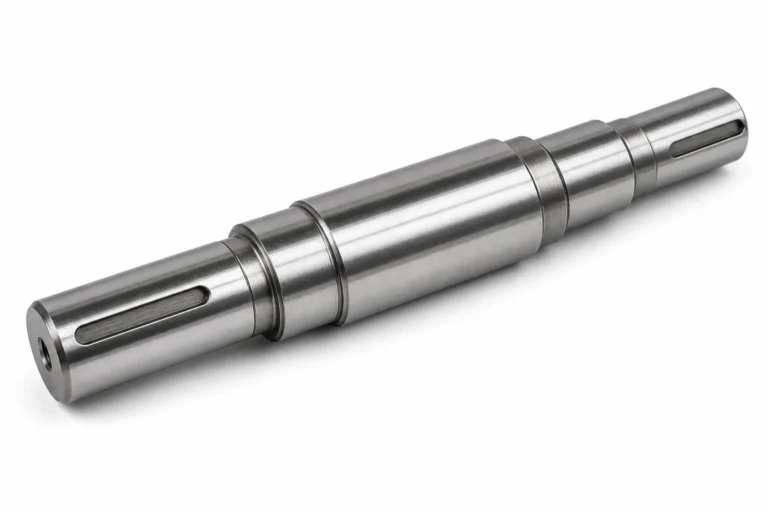
The industrial fasteners landscape, long dominated by metal alloys, is witnessing a sustained shift as plastic fasteners gain ground in both traditional and emerging sectors. This trend, highlighted by a recent report from Fastener + Fixing Magazine, underscores the expanding role of polymer-based components in assembly and construction applications.
Material Innovations Expand Performance Envelope
Advanced engineering thermoplastics such as nylon, polypropylene, and polycarbonate now offer strength-to-weight ratios that compete with some metals. Reinforcements like glass fibre and carbon fibre allow plastic fasteners to meet demanding mechanical requirements while retaining inherent corrosion resistance. Injection moulding technology has enabled the production of complex geometries—integrated washers, captive screws, and snap-fit features—that reduce part count and simplify assembly.

These material improvements have broadened the use of plastic fasteners in environments where metal would degrade—such as chemical processing plants, marine settings, and outdoor infrastructure. Designers increasingly specify plastic for its dielectric properties, which eliminate galvanic corrosion and electrical conductivity concerns. The ability to colour-code fasteners also simplifies identification and quality control during manufacturing.
Automotive and Electronics Lead Uptake
Vehicle lightweighting initiatives continue to push automotive manufacturers toward plastic fasteners. Reducing mass by even a few grams per fastener contributes to fuel efficiency and lower emissions, aligning with global regulatory pressures. Interior trim, under-the-hood components, and battery enclosures for electric vehicles all benefit from non-metallic joining solutions. Plastic fasteners also dampen vibration, reducing noise and the risk of fatigue failure in sensitive electronics.
The consumer electronics sector similarly values the non-magnetic and insulating qualities of plastic screws, clips, and standoffs. As devices become more compact and heat-sensitive, plastic fasteners enable secure assembly without interference with wireless signals or risk of short circuits. Thread-forming plastic screws are increasingly used to assemble plastic housings, eliminating the need for metal inserts and streamlining production.
Weight Reduction and Corrosion Resistance Drive Choices
Weight savings extend beyond automotive; aerospace manufacturers are evaluating plastic fasteners for secondary structures and cabin interiors. Marine and offshore equipment designers have long relied on plastic to avoid rust, but now the material’s ability to withstand UV exposure and saltwater is improving through additive packages. In construction, plastic fasteners prevent galvanic corrosion when joining dissimilar metals in façades and roofing.
Plastic variants now mirror traditional designs, from standard Hex Bolts and Hex Nuts to precision Pan Head Screws. This compatibility allows engineers to substitute metal fasteners without redesigning assemblies, provided load and temperature limits are respected. The growing market for corrosion-resistant fasteners in wastewater treatment and chemical storage continues to open new opportunities.
Sustainability and Recycling Shape the Conversation
Environmental considerations are influencing material selection. Although metal fasteners are easily recycled, plastic fasteners can be produced from bio-based or post-consumer recycled content, reducing carbon footprint. Single-polymer assemblies facilitate end-of-life recycling compared to multi-material joints. Some manufacturers are exploring take-back programs and closed-loop recycling for high-value plastic components.
Regulatory frameworks, such as the EU’s End-of-Life Vehicle Directive and the Circular Economy Action Plan, encourage the use of reusable and recyclable materials. Standards bodies like the International Organization for Standardization (ISO) have published specifications that guide the mechanical properties and testing of plastic fasteners, ensuring reliability across applications. Challenges persist in material identification and separation during disassembly, but ongoing innovation in automatic sorting systems is helping close the gap.
| Aspect | Details |
|---|---|
| Material Types | Nylon, polypropylene, polycarbonate, reinforced with glass or carbon fibre |
| Key Properties | Corrosion resistance, dielectric, lightweight, non-magnetic |
| Primary Applications | Automotive interior/under-hood, electronics, marine, aerospace interiors, construction |
| Drivers | Lightweighting, corrosion avoidance, electrical insulation, sustainability |
| Challenges | Limited temperature range, lower shear strength, recycling complexity |
| Standards | Often follow metal fastener standards with material-specific modifications; ISO and DIN specifications apply |
The next likely checkpoint for this developing trend will be updated market analysis reports from industry associations, expected in the coming quarters, which may quantify the exact growth rate and highlight new application areas. Supplier capacity expansions and new material certifications will also provide concrete evidence of the shift.
Why This Matters
The growing reliance on plastic fasteners signals a broader materials transition in manufacturing, affecting supply chains, design standards, and end‑of‑life strategies. As regulatory pressure mounts for lighter, recyclable assemblies, engineers must weigh the trade‑offs between metal and polymer fasteners more carefully, making informed specification a competitive differentiator.
Sources
- Fastener + Fixing Magazine (fastenerandfixing.com)
- International Organization for Standardization (ISO) (iso.org)
Source: Fastener + Fixing Magazine
FAQ
How current is this fastener information?
This article was published on July 25, 2026. News changes quickly, so use it as a starting point and check the named source for later corrections, revised figures or follow-up reporting.
Is this fastener report confirmed?
It reflects what the cited reporting stated at the time, which can be preliminary. For anything consequential, comparing two or more independent reports is the most reliable way to confirm the details.
Who and where is involved in this fastener story?
The article identifies the main organisations, people and locations tied to the development. Those named entities are the anchors for following how the story evolves across later coverage.
Is Fastener + Fixing Magazine the only source for this fastener story?
Fastener + Fixing Magazine is the outlet attached to this item, but it should not be the only reference for an important development. Comparing it with other independent reports gives a fuller and more reliable picture.
What is this fastener story about?
It summarises a recent development in fastener, drawing on the original reporting. The key facts — who is involved, what changed and any figures or dates attached — are highlighted so the story is quick to grasp.
Why does this fastener development matter?
The significance lies in what it signals: a notable figure, a decision, or a shift that affects the people, places or organisations named. Those are the points worth following as the story continues.