
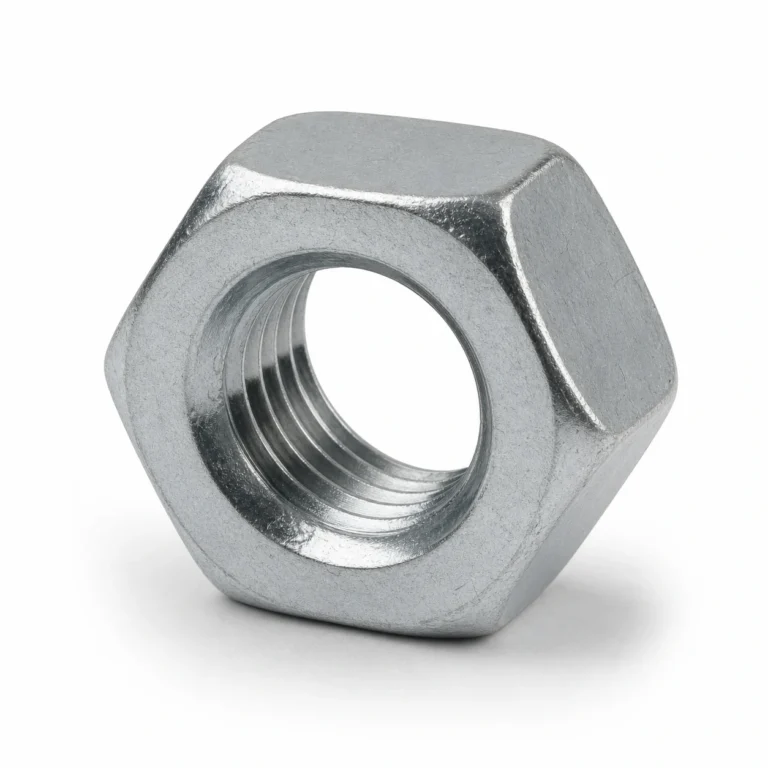
Duplex Stainless Fasteners Outperform Galvanized in Harsh Conditions
Duplex stainless steel fasteners offer superior corrosion resistance and mechanical strength over galvanized and coated alternatives. Their higher initial cost is offset by lower…
Every article we have published on ASTM International — standards, materials, coatings and installation practice, newest first.
Following astm international means watching more than the latest headline: the funding amounts, growth rates, dates and named players behind a story are what show where it is actually heading.
The recurring vocabulary of astm international reporting — ASTM International, CE Marking, Certification, Corrosion Resistance and DIN — is a useful early indicator of which angle is gaining momentum.
Numbers including 40%, 100% and 22% give the topic a measurable edge, provided each one is read back to the original report for its full context.
Duplex stainless steel fasteners offer superior corrosion resistance and mechanical strength over galvanized and coated alternatives. Their higher initial cost is offset by lower…
Global trade in fasteners faces a compliance puzzle as ISO, ASTM, DIN, JIS and GB/T standards impose overlapping but distinct requirements. Testing backlogs, regional…
Figures such as 40%, 100% and 22% reflect what a particular report stated, which can be preliminary or later revised. Treat them as a guide to magnitude and check the source for updates before relying on any single number.
These names and themes keep appearing alongside each other, which usually means they are part of the same wider story. Following them as a group — rather than one headline at a time — gives an earlier read on where astm international coverage is heading.
A topic moves into the news when something concrete changes — a major announcement, a funding or market figure, a policy decision or a measurable shift. The reports gathered here help show which of those forces is currently driving attention to astm international.
Recent reporting has cited figures such as 40%, 100% and 22%. Numbers like these give a sense of scale and direction, but the exact amount and the context around it are best confirmed in the original article.