
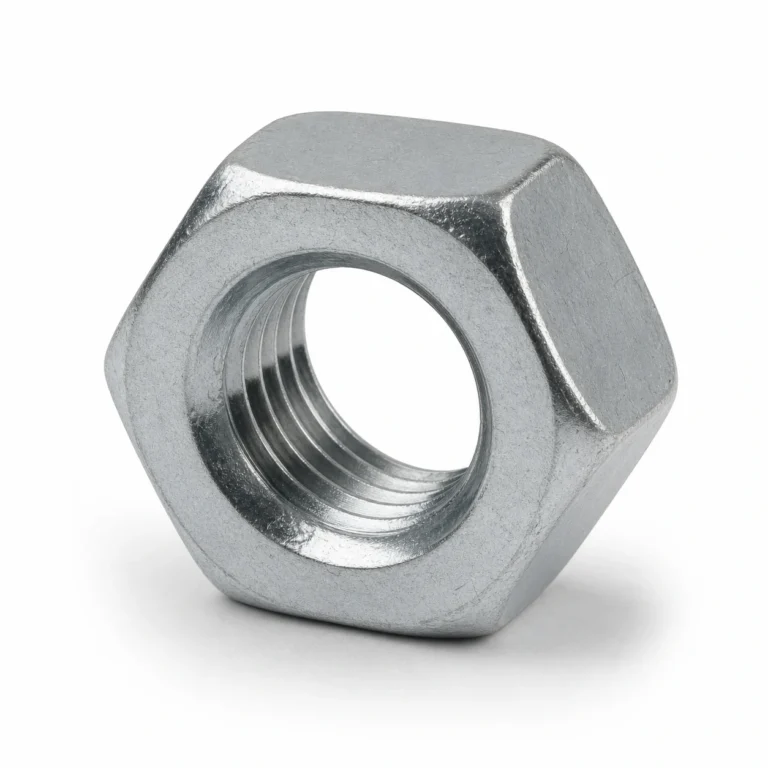
Duplex Stainless Fasteners Outperform Galvanized in Harsh Conditions
Duplex stainless steel fasteners offer superior corrosion resistance and mechanical strength over galvanized and coated alternatives. Their higher initial cost is offset by lower…
Every article we have published on Material Lifecycle — standards, materials, coatings and installation practice, newest first.
Coverage of material lifecycle moves quickly, and the details that matter — who is involved, how large the figures are and when changes take effect — are rarely clear from a headline alone.
Around material lifecycle, coverage clusters on ASTM International, Corrosion Resistance, Duplex Stainless Steel, Fasteners and Galvanized Coatings, and watching how those threads develop relative to each other often reveals the bigger story.
Specific figures such as 40%, 100% and 22% have surfaced in recent coverage; they are useful reference points, though the exact amount and context are best confirmed in the source story.
These names and themes keep appearing alongside each other, which usually means they are part of the same wider story. Following them as a group — rather than one headline at a time — gives an earlier read on where material lifecycle coverage is heading.
Figures such as 40%, 100% and 22% reflect what a particular report stated, which can be preliminary or later revised. Treat them as a guide to magnitude and check the source for updates before relying on any single number.
Significant stories usually carry verifiable detail — a named figure, a date, a percentage or a clearly identified organisation — and tend to appear across more than one outlet. Reports that stay at the level of general commentary are better treated as background.
Recurring prominence usually means ASTM International sits at the centre of an active development — a decision, a deal or a dispute. When a name repeats across reports, it is worth reading the underlying stories to see what has actually changed.