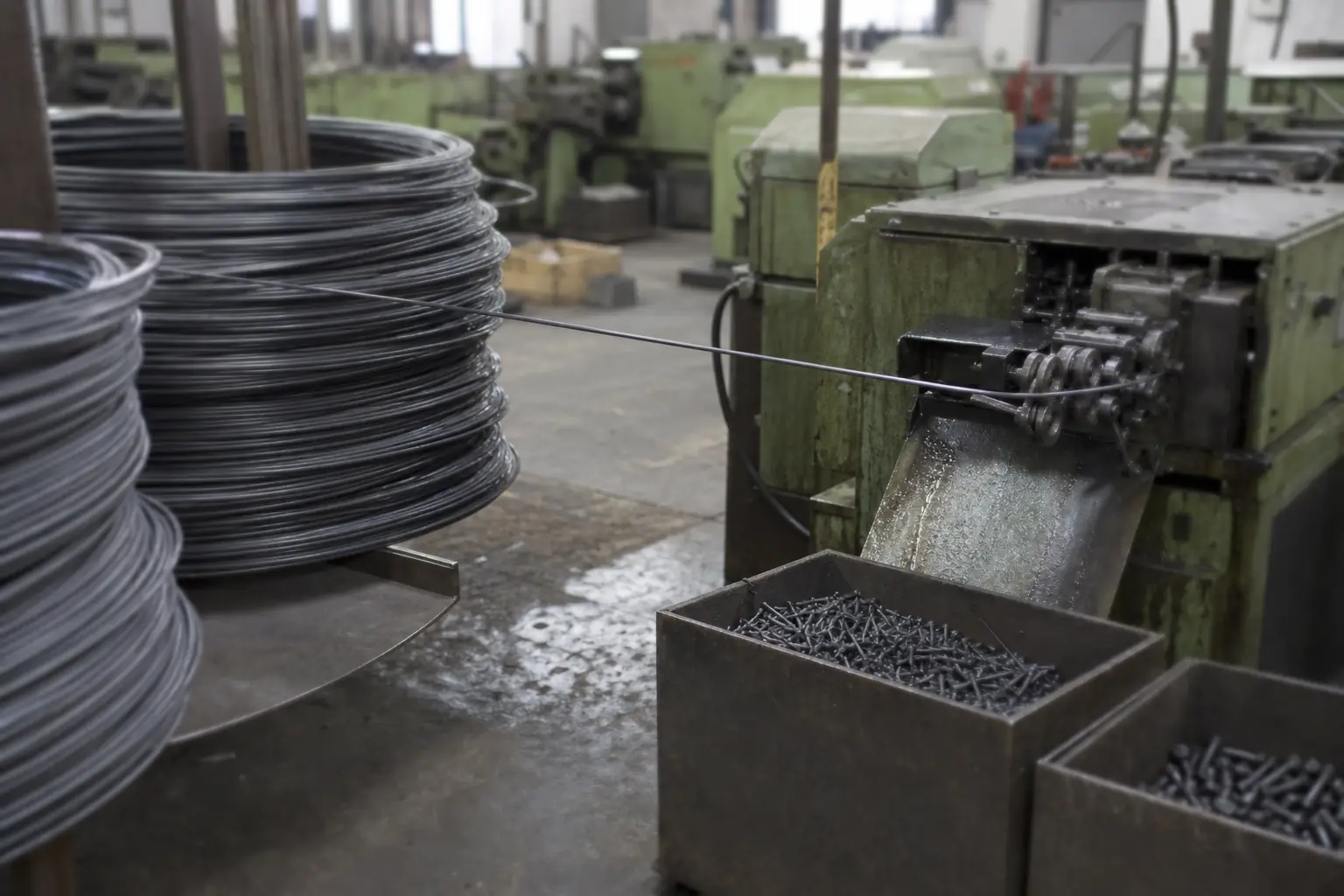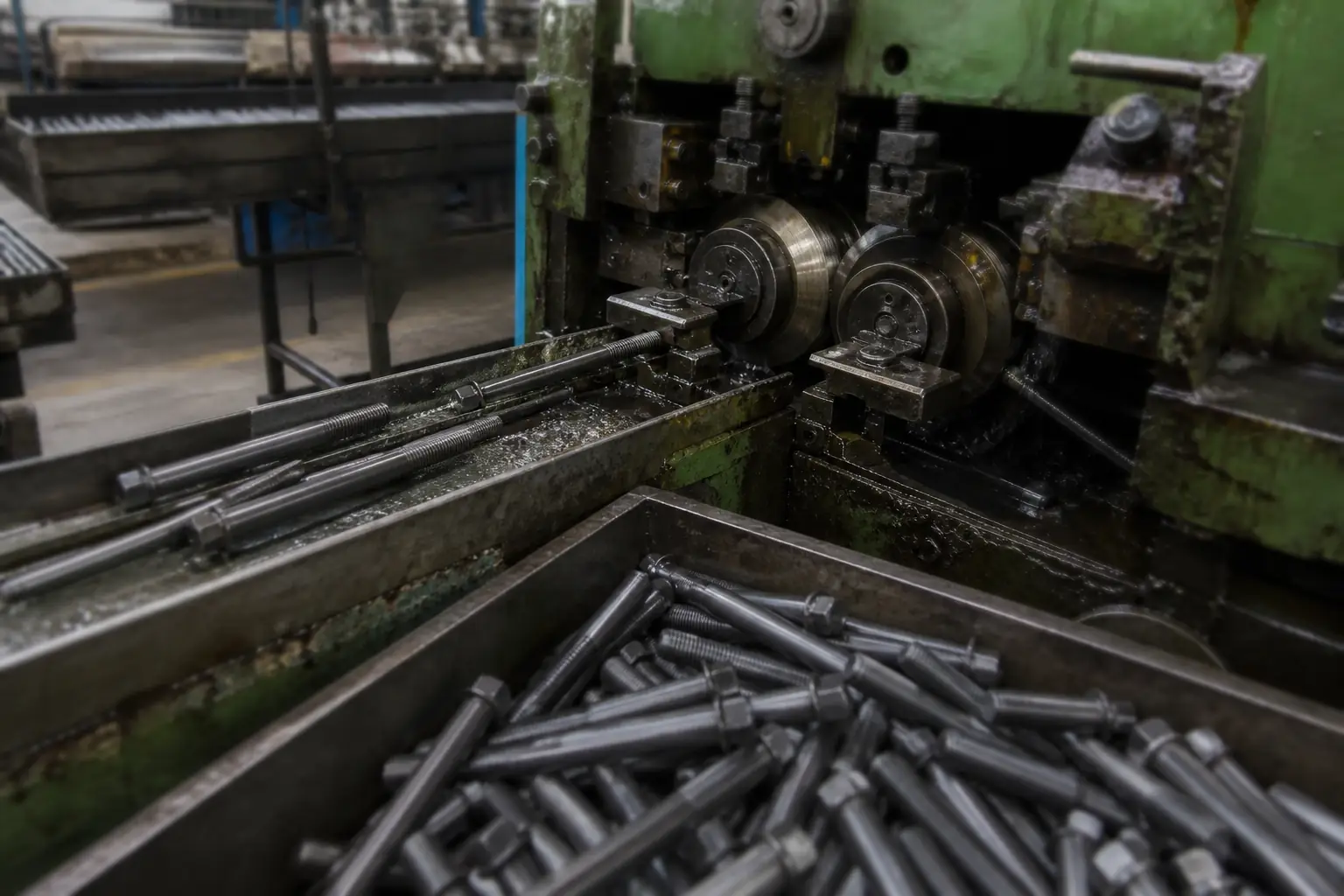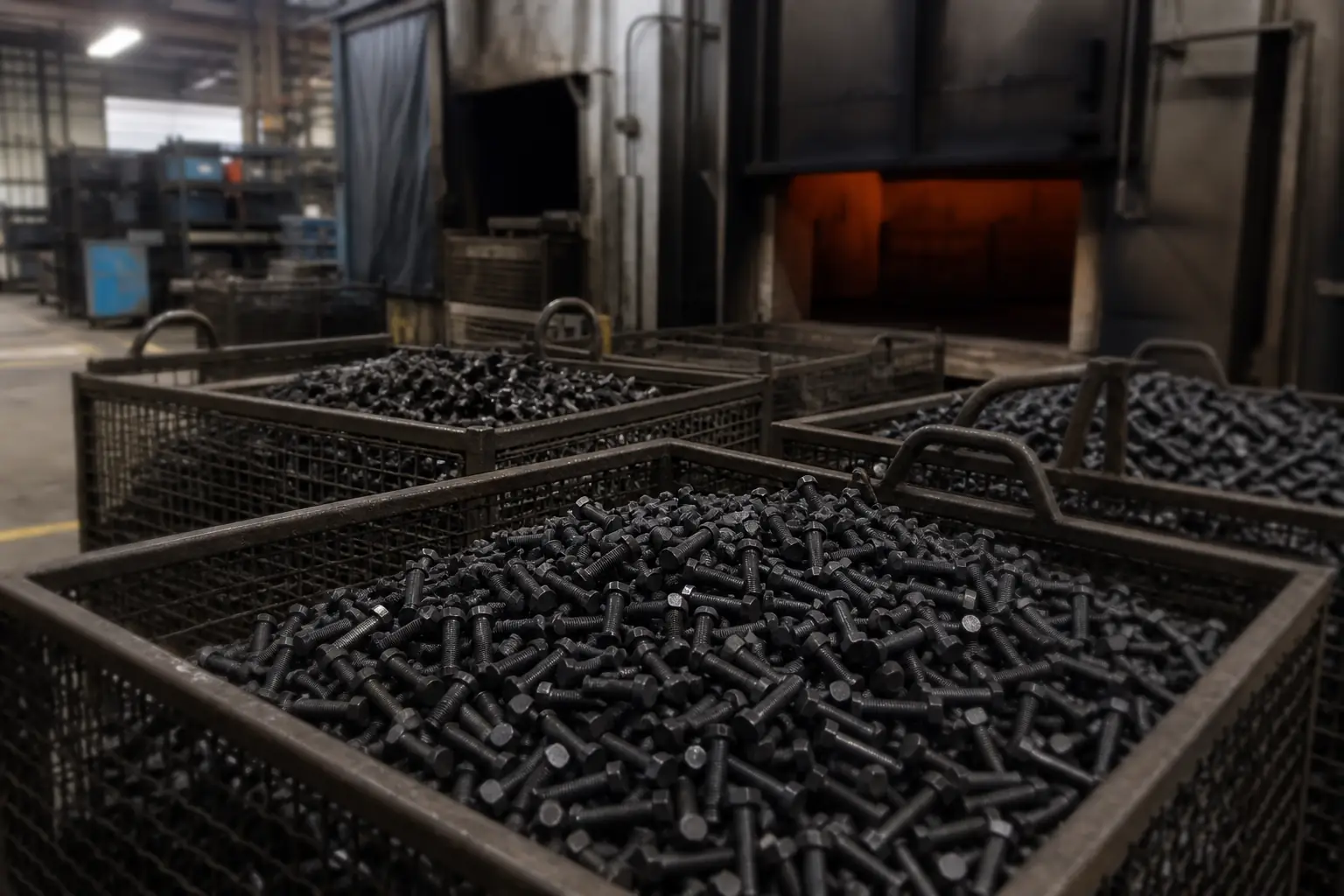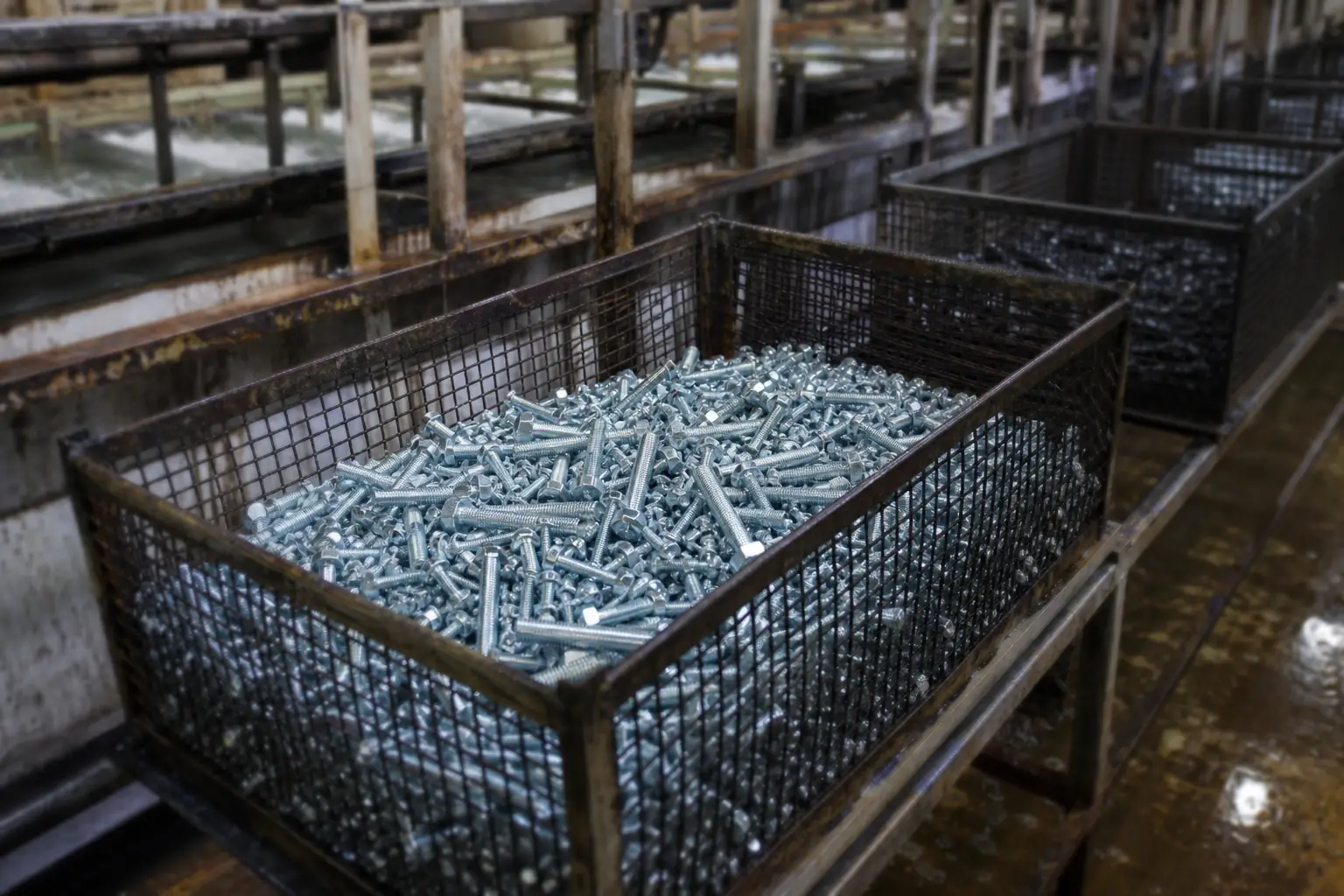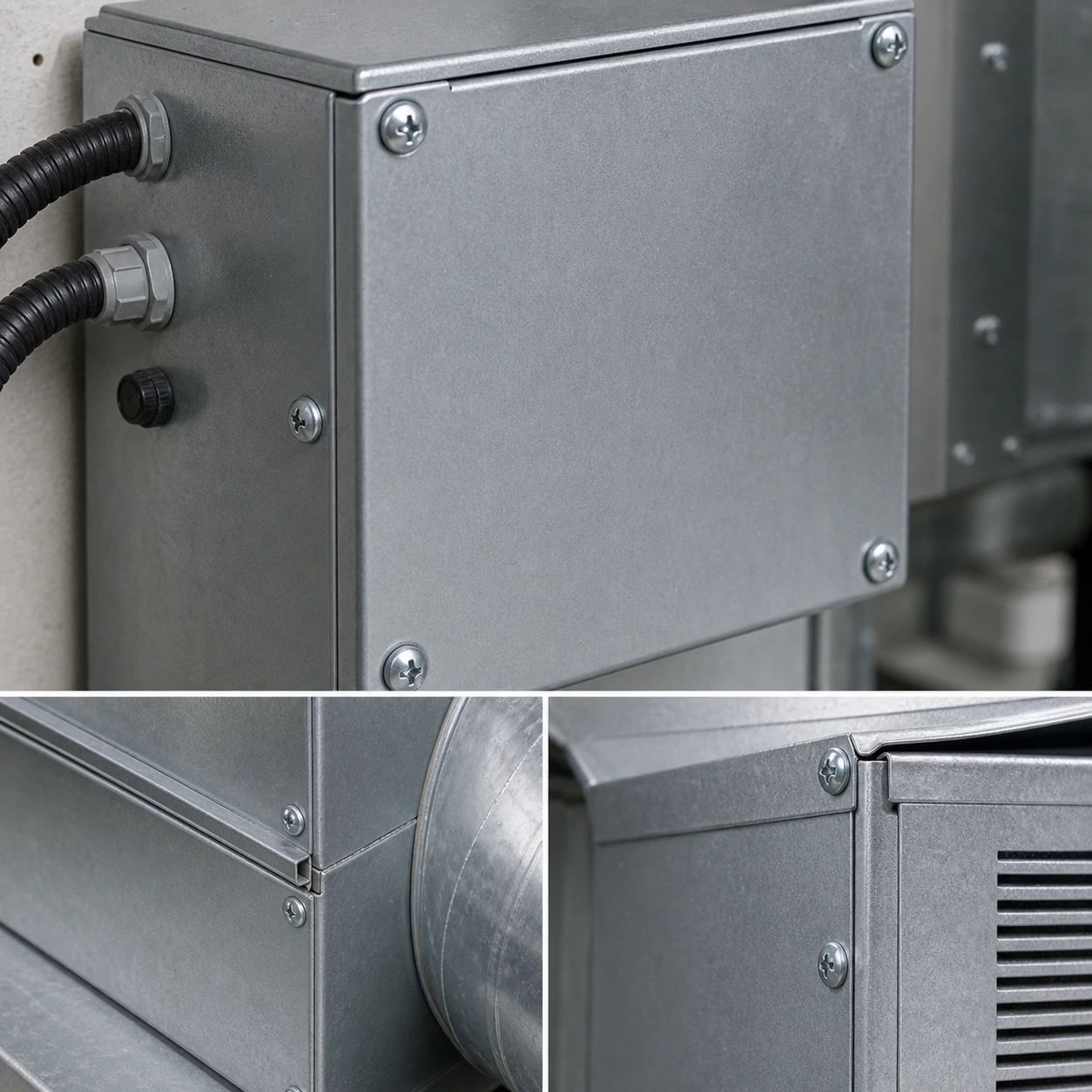
Application guide for Self-Tapping Screws to ISO 7049 / DIN 7981. The core duty of the type is fixing into sheet, timber or plastic by forming their own thread as they are driven, without a tapped hole. The typical industries, the how-to-specify checklist, assembly practice and the exclusion cases are set out below. Stocked across roughly 2.2 to 9.5, they cover general to heavy-duty work.
Typical Applications for Self-Tapping Screws
The most common settings where these are specified:
- Electronics & enclosures: mounting PCBs, panels and lids where the drive style and head height matter.
- Appliances & consumer goods: high-volume assembly with power tools and consistent seating.
- Machine guarding & panels: removable access covers that are opened for service.
- General machine building: fastening covers, brackets, motors and sub-assemblies on production equipment.
- Maintenance & repair (MRO): a stocked size for servicing existing plant where the original fastener spec must be matched.
How to Specify Self-Tapping Screws for Your Application
- Size: Match the nominal size to the mating thread or hole. This product spans 2.2–9.5; check the full table below for the exact dimensions of each size.
- Drive & head: Pick the drive (socket, cross, slot) and head style for the tool access and seating surface; a recessed drive resists cam-out under power tools.
- Environment: For damp, coastal or chemical exposure prefer A4/316 stainless or a suitable coating; indoors, plated steel or A2 is usually sufficient.
- Standard: This product is supplied to ISO 7049 / DIN 7981. Quoting the standard on your order guarantees interchangeable dimensions between suppliers.
Installation & Assembly Practice
- Match the driver exactly to the recess (PH ≠ PZ; hex key sizes per ISO 2936) and keep the tool axial — side load is the main cause of stripped drives.
- In tapped holes, engage a thread length of at least 1× the nominal diameter in steel, 2× in aluminum.
- Set power tools to a torque that seats the head without embedding it into the mating surface.
Common Selection Mistakes with Self-Tapping Screws
- Under-sizing the drive for the installation torque — a small recess at high torque strips before the screw is seated.
- Using a countersunk head in thin sheet where the countersink removes most of the load-bearing material.
- Specifying stainless in high-strength duty: A2-70 is roughly class 7 steel, not a 10.9 substitute.
Where Self-Tapping Screws Are Not the Right Choice
Not for high-preload structural joints (use a property-class bolt and nut), and not in thin sheet where a self-drilling or self-tapping type suits better.
Custom manufacturing · Made to drawing
Need a self-tapping screws outside the standard range?
A non-standard screw is quoted from the drawing; where one already exists in the catalog, the special is usually a variation on its tooling. Made by cold heading or warm forging.
Minimum order from 2,000 pieces; samples within 7 days of drawing approval.