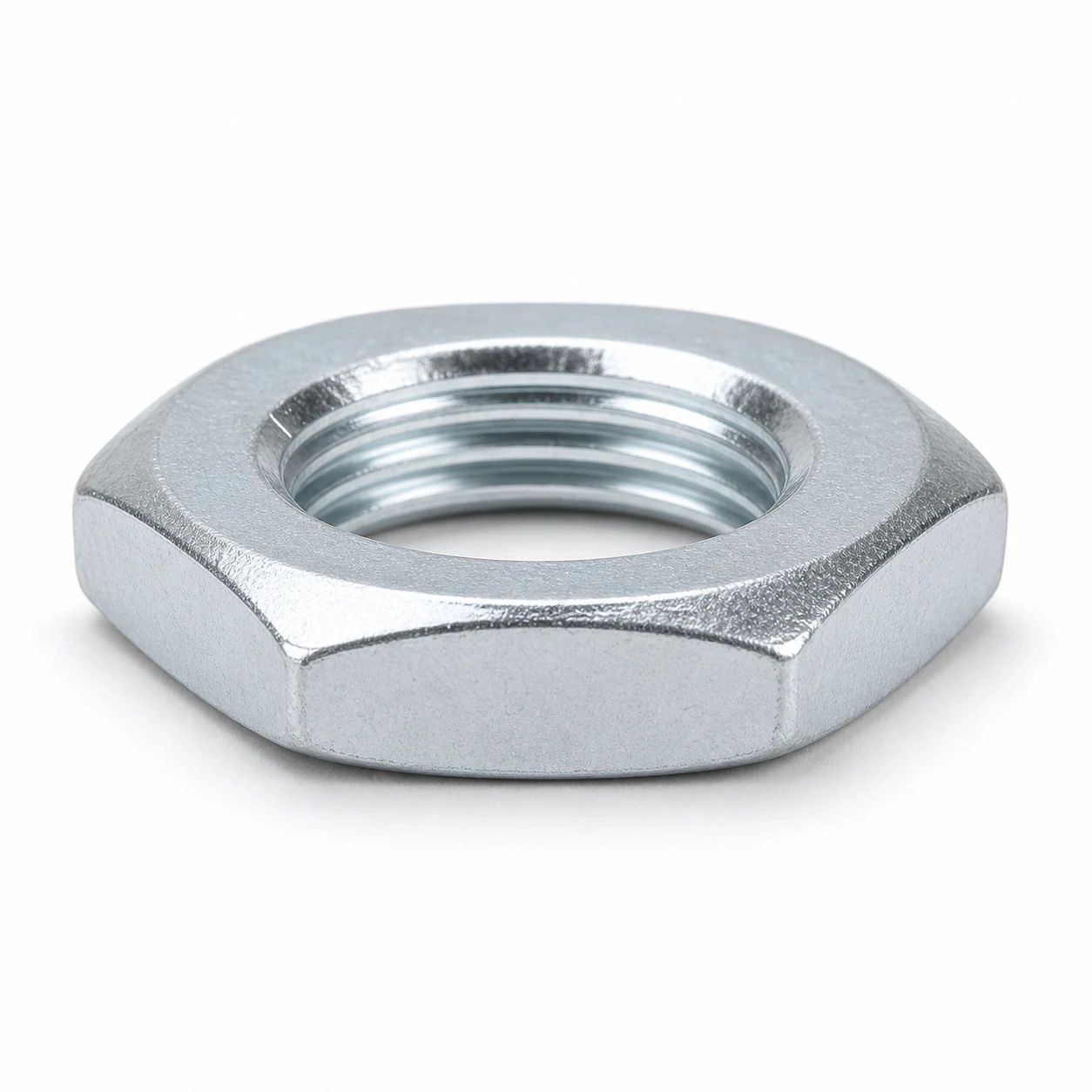
M20 Thin Hex Nut are manufactured to GB/T 6172.1 / ISO 4035. This page lists the controlling dimensions for the M20 size together with the drive and the installation notes for this type.
Values are taken from the governing standard rather than from a general machine-thread table, because this type is not selected on one.
M20 Dimensional Row (GB/T 6172.1 / ISO 4035)
| Size | Pitch (mm) | Width across flats s (mm) | Width across corners e (mm) | Nut height m (mm) | Reference standard |
|---|---|---|---|---|---|
| M20 | 2.5 | 30.0 | 33.53 | 10.0 | ISO 4035 / GB/T 6172 |
Spanner & Drive for M20 Thin Hex Nut — GB/T 6172.1 / ISO 4035 (Series 055)
M20 Thin Hex Nut — GB/T 6172.1 / ISO 4035 (Series 055) have a width across flats of 30.0 mm — fit a 30.0 mm open-ended spanner or socket. In tight access a 6-point socket on the 30.0 mm flats gives the most engagement per degree of swing. Where the joint is torqued to a figure, a click wrench is the only way to reproduce it across a batch.
Tightening Torque for M20
| Class 8.8 (dry, ~µ 0.125) | ≈ 420 Nm |
|---|---|
| Class 10.9 (dry, ~µ 0.125) | ≈ 598 Nm |
| Class 12.9 (dry, ~µ 0.125) | ≈ 700 Nm |
Indicative dry-joint values. Lubrication can lower the required torque by 15–25%. Always confirm against the joint design, especially when going up a strength class.
Proof Load & Strength for M20
Nuts are graded to ISO 898-2 by the proof load the nut itself will hold (classes 04, 05, 5, 6, 8, 10 and 12), not by the 8.8 / 10.9 / 12.9 scale used for bolts. A class-8 nut is the correct mate for a class-8.8 bolt, and the joint is designed on the bolt, so no bolt-tension figure is quoted here.
Mating Parts for M20
Pair M20 with the matching M20 bolt or screw, plus a M20 flat washer where required to distribute load on softer materials.
When to Step Up or Down from M20
When the joint preload approaches the proof load of M20 class 8.8, step up to M24 class 8.8 (or move to M20 class 10.9). When the joint is over-specified, M16 often saves weight and cost without losing the safety margin.
Custom manufacturing · Made to drawing
Need thin hex nut in a size this table does not list?
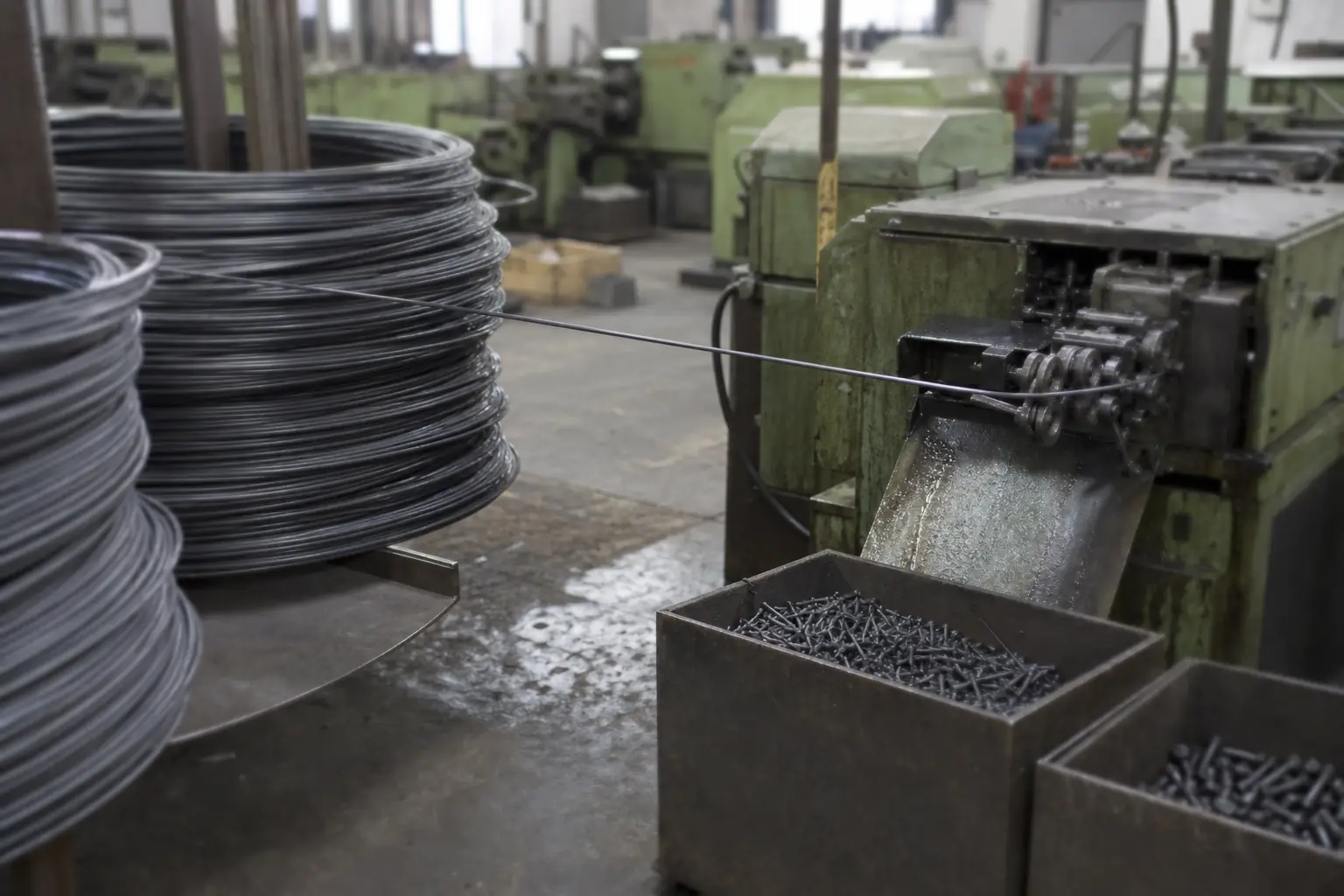
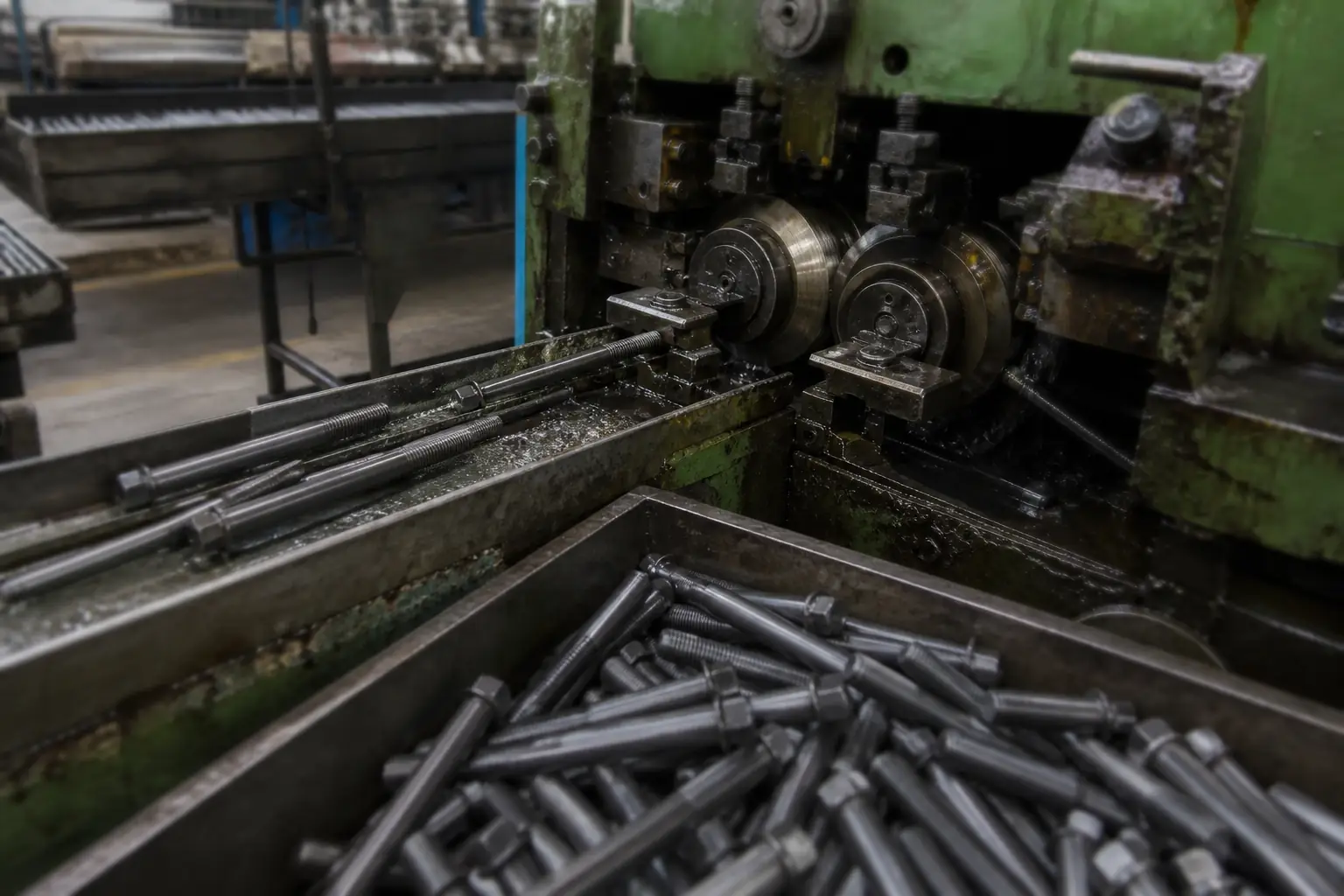
This page covers M20 thin hex nut. Thread size is the obvious variable and rarely the interesting one — height for clearance, across-flats for the tool already in the cell, and the locking feature for the vibration actually present. Made by cold heading or tapping.
Minimum order from 2,000 pieces; samples within 7 days of drawing approval.