The M36 size of Hex Bolts is dimensioned by ISO 4014 / ISO 4017. The tables below give the dimensional row from the standard, the drill and spanner sizes that go with it, and the assembly torque per property class. The technical drawing on this page redraws to the exact values selected.
M36 Dimensional Row (ISO 4014 / ISO 4017)
| Size | Pitch coarse (mm) | Width across flats s (mm) | Width across corners e min (mm) | Head height k nom (mm) | Nominal diameter d (mm) | Reference standard | Notes |
|---|---|---|---|---|---|---|---|
| M36 | 4.0 | 55.0 | 60.79 | 22.5 | 36.0 | ISO 4014/4017 | Partial / fully threaded |
Spanner & Drive for M36 Hex Bolts
M36 Hex Bolts have a width across flats of 55.0 mm — fit a 55.0 mm open-ended spanner or socket. A 6-point socket grips all six flats of the 55.0 mm hex and is what to reach for once a fastener has been on and off a few times; a 12-point ring spanner starts rounding a worn head. For repeatable preload, torque rather than feel.
Hole Sizes for M36
| Coarse-thread pitch (ISO 724) | 4 mm |
|---|---|
| Through-hole / clearance (ISO 273 medium) | 39 mm |
| Tapping drill, coarse thread | 32 mm |
Tightening Torque for M36
| Class 8.8 (dry, ~µ 0.125) | ≈ 2523 Nm |
|---|---|
| Class 10.9 (dry, ~µ 0.125) | ≈ 3593 Nm |
| Class 12.9 (dry, ~µ 0.125) | ≈ 4204 Nm |
Indicative dry-joint values. Lubrication can lower the required torque by 15–25%. Always confirm against the joint design, especially when going up a strength class.
Proof Load & Strength for M36
| Tensile stress area As (ISO 724) | 817 mm² |
|---|---|
| Proof load, class 8.8 | 490 kN |
| Proof load, class 10.9 | 678 kN |
| Proof load, class 12.9 | 792 kN |
| Min. ultimate tensile load, class 8.8 | 678 kN |
Proof load = tensile stress area × the proof stress Sp of the class, per ISO 898-1 — Sp is a lower figure than the yield stress Rp0.2 and the two are not interchangeable. The stress area is computed from this size's own diameter and pitch, so a fine-pitch designation gives the fine-pitch figure. Design the joint so the working preload stays below the proof load of the class selected.
Installation Tips for M36 Hex Bolts
- Use a 6-point socket where access allows — 12-point sockets are more prone to rounding the corners on smaller sizes.
- On flanged or serrated variants, do NOT add a separate flat washer — the flange already spreads the load and the washer can defeat the locking serrations.
- At M36 the stretch in the bolt becomes the controlling factor — for critical joints, use angle-controlled or stretch-controlled tightening instead of pure torque.
Mating Parts for M36
For M36, pair with a M36 hex nut (ISO 4032 / DIN 934) and, where used, a M36 flat washer (ISO 7089 / DIN 125A) under the head and under the nut.
Custom manufacturing · Made to drawing
Need hex bolts in a size this table does not list?
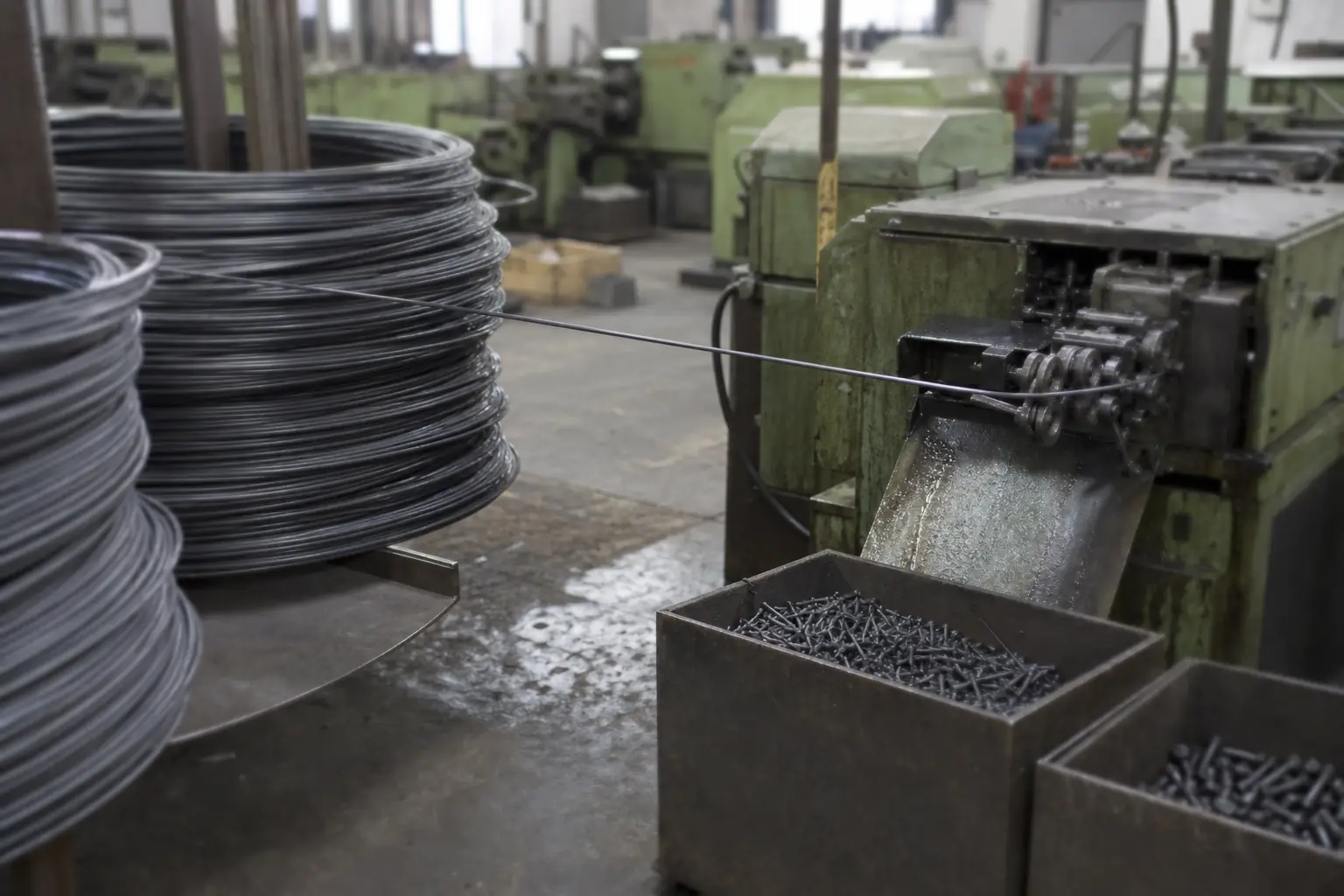
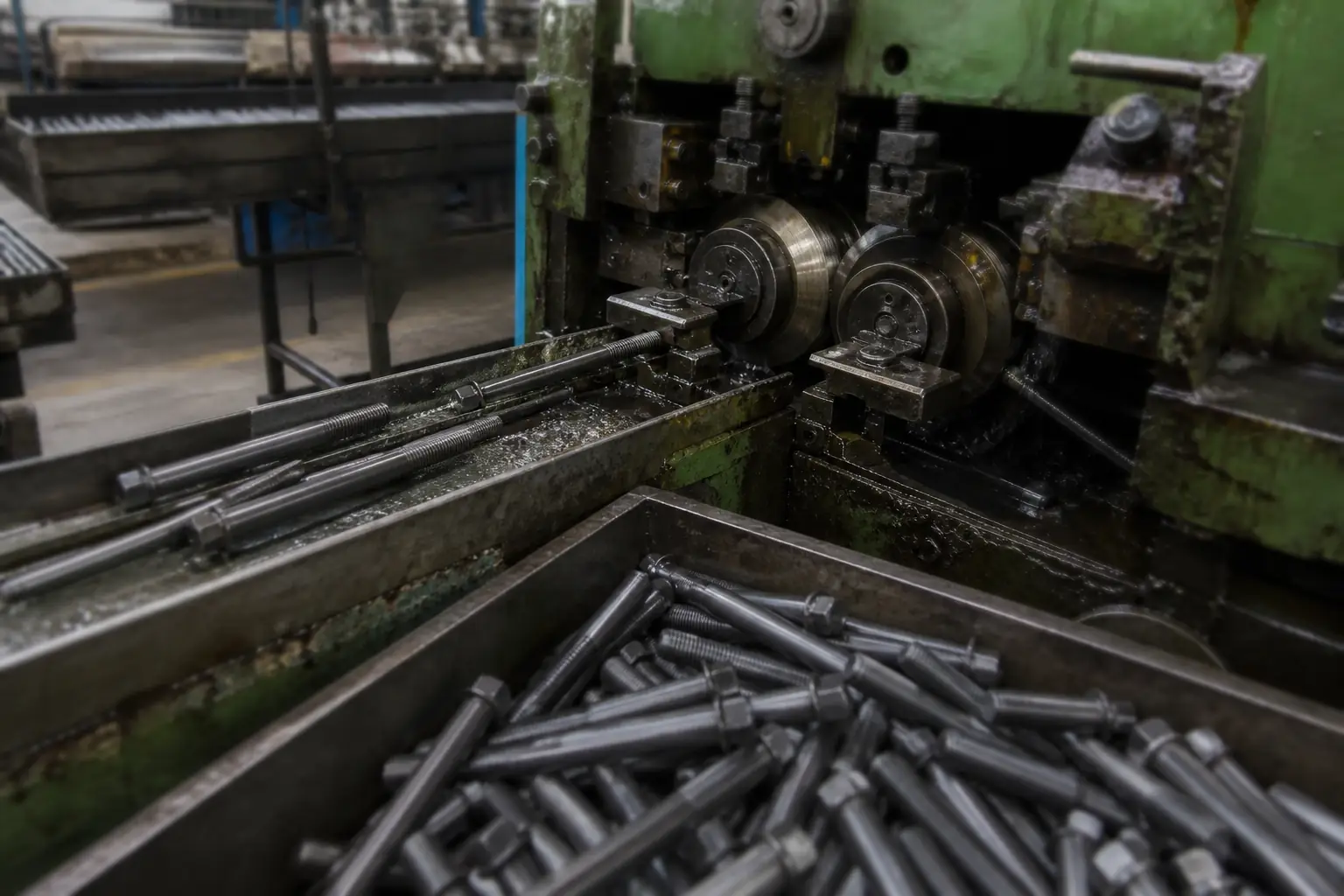
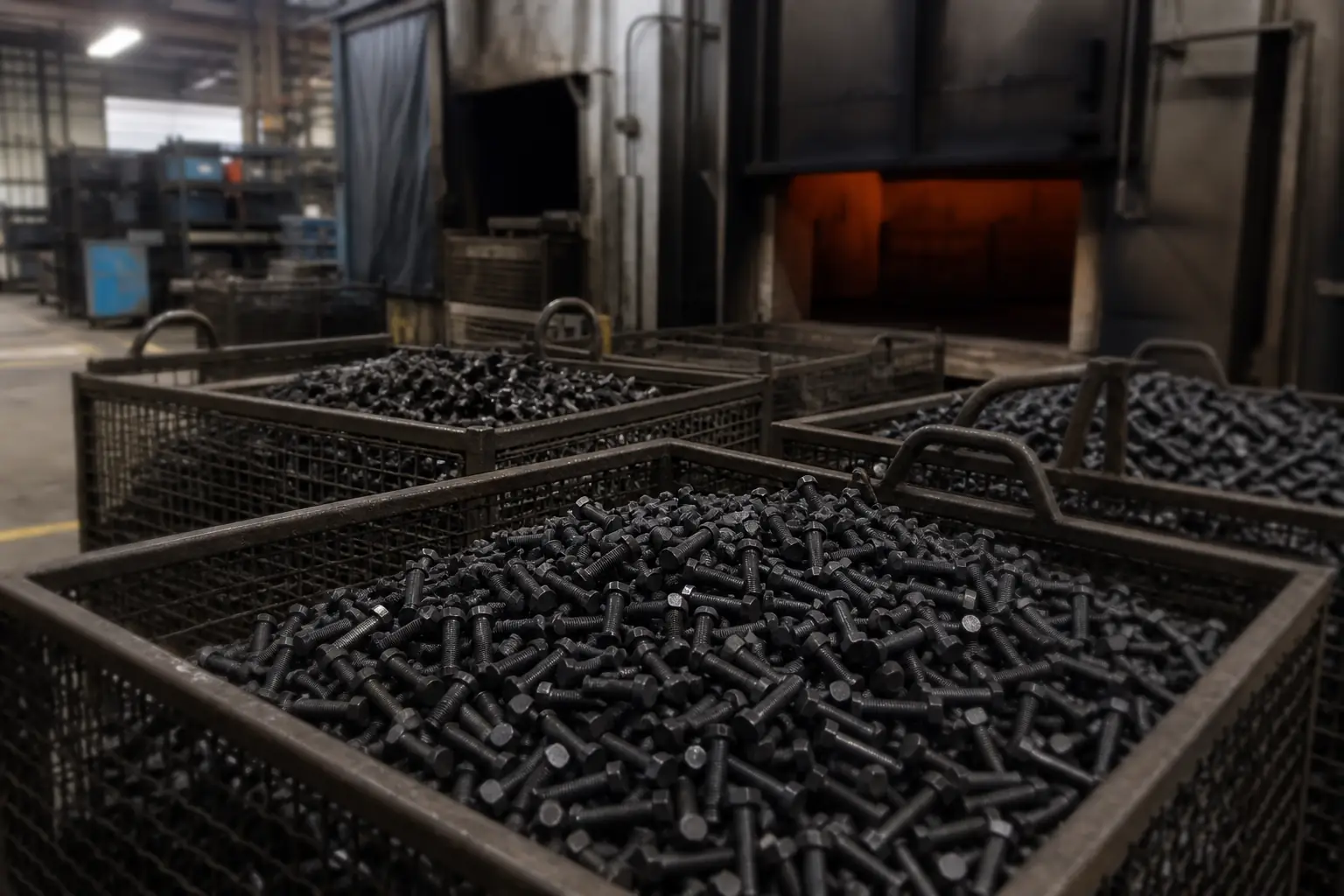
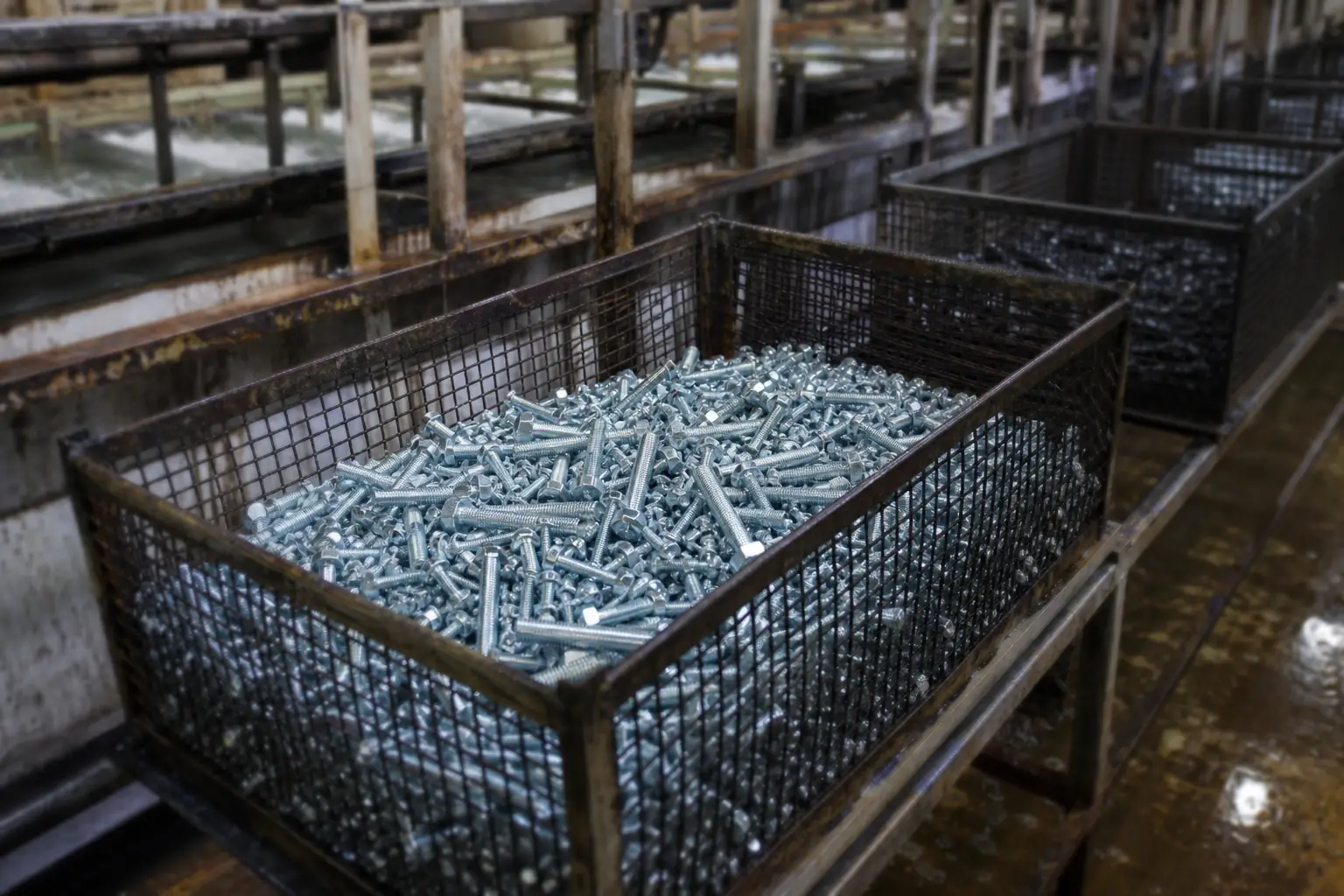
This page covers M36 hex bolts. Lengths and thread lengths outside the standard table are the commonest request, followed by a drive the standard does not offer and a head marked with your own part number. Made by cold heading or hot forging.
Minimum order from 2,000 pieces; samples within 7 days of drawing approval.