
M36 Socket Head Cap Screws (ISO 4762 / DIN 912) are specified by thread size, length and head dimensions. The M36 row from the standard is reproduced below, followed by the drill sizes, spanner size and torque values used when installing this size.
M36 Dimensional Row (ISO 4762 / DIN 912)
| Size | Pitch (mm) | Head diameter dk (mm) | Head height k (mm) | Hex key s (mm) | Socket depth t min (mm) | Reference standard |
|---|---|---|---|---|---|---|
| M36 | 4.0 | 54.0 | 36.0 | 27.0 | 19.0 | ISO 4762 / DIN 912 |
Spanner & Drive for M36 Socket Head Cap Screws
The hex socket for M36 Socket Head Cap Screws is shown in the spec table — use the matching Allen / hex key (an ISO 2936 hex key set covers the full range). Ball-end keys are for reaching the screw, not for tightening it — finish on the plain end, and on production work use a torque-controlled driver.
Hole Sizes for M36
| Coarse-thread pitch (ISO 724) | 4 mm |
|---|---|
| Through-hole / clearance (ISO 273 medium) | 39 mm |
| Tapping drill, coarse thread | 32 mm |
Tightening Torque for M36
| Class 8.8 (dry, ~µ 0.125) | ≈ 2523 Nm |
|---|---|
| Class 10.9 (dry, ~µ 0.125) | ≈ 3593 Nm |
| Class 12.9 (dry, ~µ 0.125) | ≈ 4204 Nm |
Indicative dry-joint values. Lubrication can lower the required torque by 15–25%. Always confirm against the joint design, especially when going up a strength class.
Proof Load & Strength for M36
| Tensile stress area As (ISO 724) | 817 mm² |
|---|---|
| Proof load, class 8.8 | 490 kN |
| Proof load, class 10.9 | 678 kN |
| Proof load, class 12.9 | 792 kN |
| Min. ultimate tensile load, class 8.8 | 678 kN |
Proof load = tensile stress area × the proof stress Sp of the class, per ISO 898-1 — Sp is a lower figure than the yield stress Rp0.2 and the two are not interchangeable. The stress area is computed from this size's own diameter and pitch, so a fine-pitch designation gives the fine-pitch figure. Design the joint so the working preload stays below the proof load of the class selected.
Installation Tips for M36 Socket Head Cap Screws
- Use a quality Allen key fully seated in the socket — partial engagement is the most common cause of stripped sockets at this size.
- For countersunk and button-head variants, chamfer the through-hole to seat the head flush without preloading the head/shank fillet.
- At M36 the stretch in the bolt becomes the controlling factor — for critical joints, use angle-controlled or stretch-controlled tightening instead of pure torque.
Mating Parts for M36
For M36, pair with a M36 hex nut (ISO 4032 / DIN 934) and, where used, a M36 flat washer (ISO 7089 / DIN 125A) under the head and under the nut.
Custom manufacturing · Made to drawing
Need socket head cap screws in a size this table does not list?
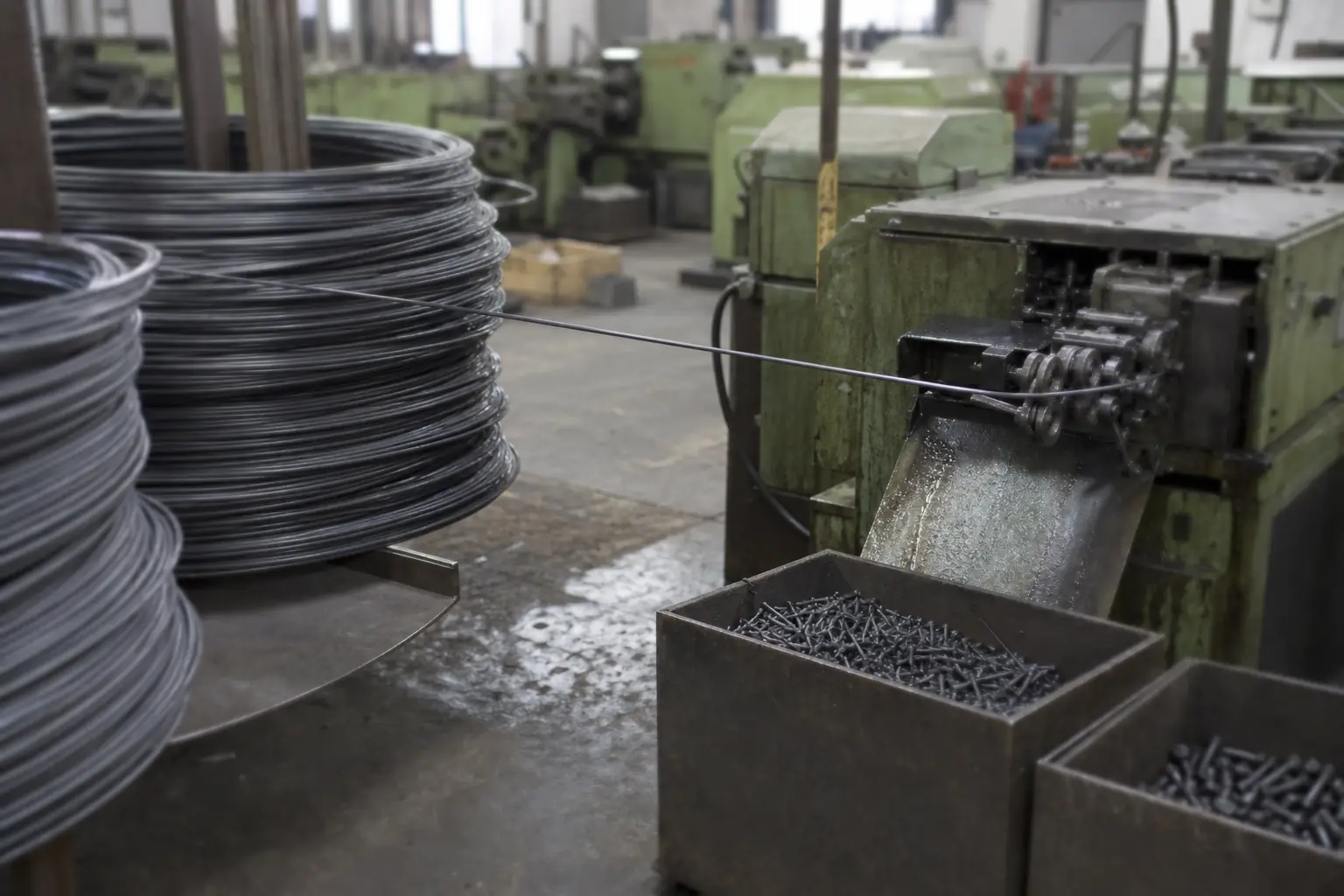
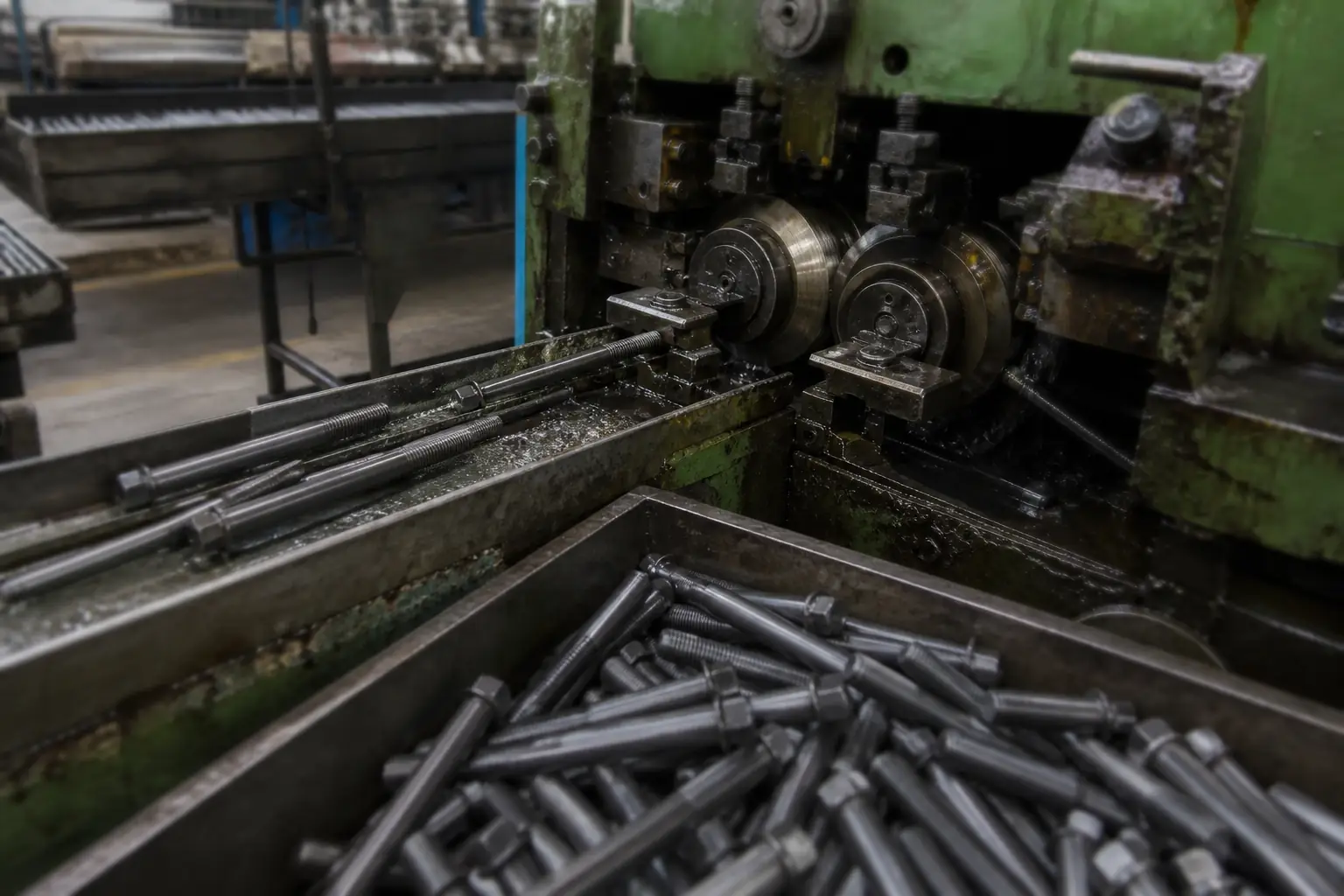
This page covers M36 socket head cap screws. Head form and drive can be specified to the assembly rather than to a standard: a larger bearing face, a security drive, or a socket sized for the tool already on the bench. Made by cold heading or warm forging.
Minimum order from 2,000 pieces; samples within 7 days of drawing approval.